
 Chapter 3
In your head
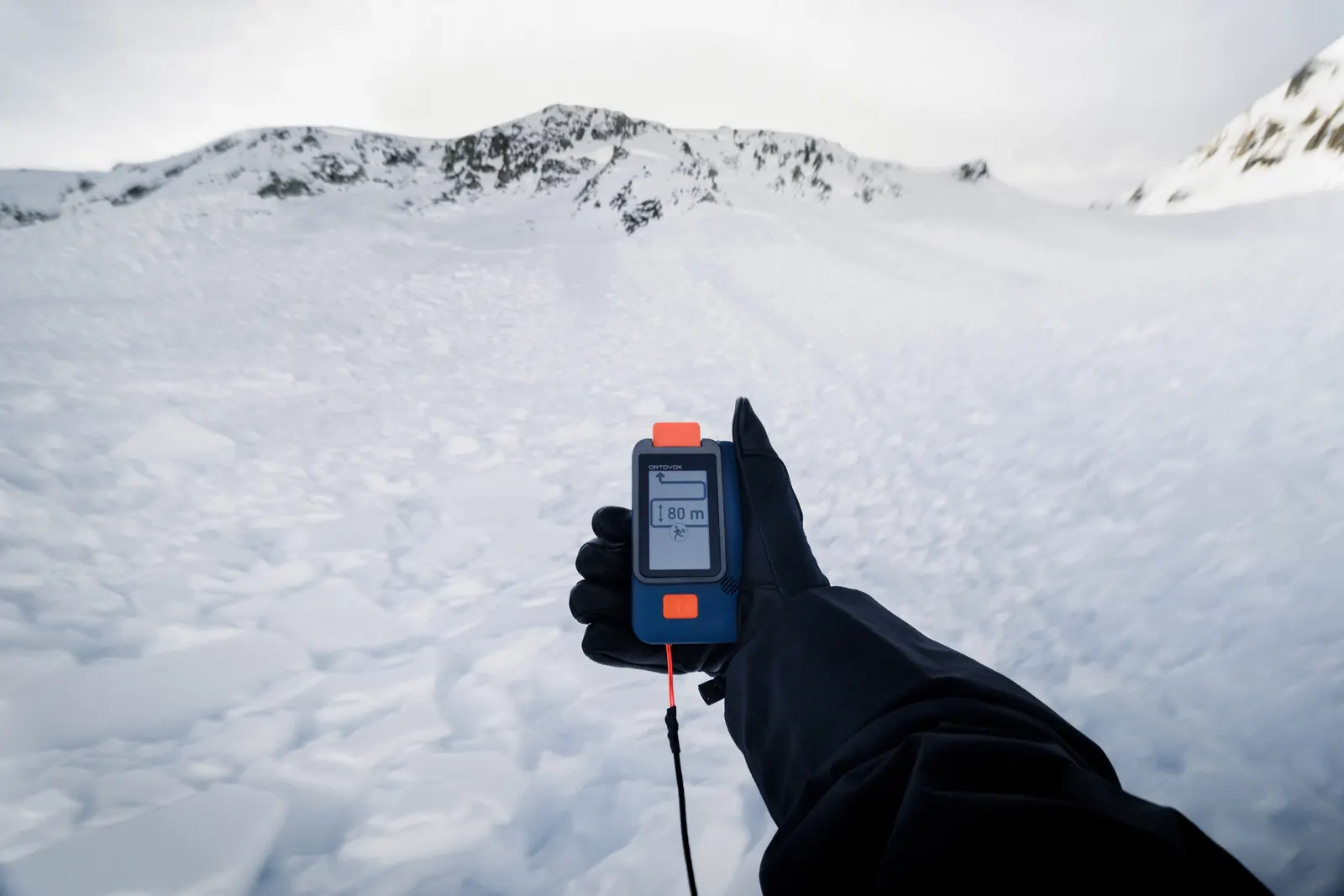
The most important thing is in your head: what to do when a slope releases.
Safety Academy
The most important thing you carry is in your head
A device only finds someone if you know how to use it. That is why Ortovox has run the Safety Academy with mountain guides since 2008, with avalanche courses for beginners and advanced skiers. Online there are exercises too, such as the four chapters of LAB SNOW.
What we show here does not replace an avalanche course. It should make you want to take one.
Which transceiver suits you? To the transceiver guide
“To follow the inner voice is not always the easiest way, but it feels like the right one.”
Ortovox · Our values, ortovox.com, retrieved 5 November 2026
This is how the brand describes what has guided it since it was founded south of Munich.
Taufkirchen near Munich
From the F2 to the Focus Voice
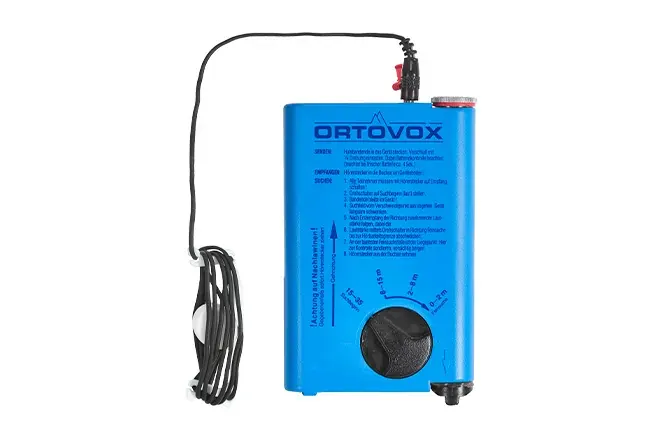
Back then, avalanche transceivers transmitted on two different frequencies. Someone buried with one type could not be found with the other. So Gerald Kampel and Jürgen Wegner built a device that could do both. That is how Ortovox tells it.
- 1980The F2 is the first device to search on both frequencies.
- 1988Ortovox starts working with wool, first with boiled wool.
- 2008Together with mountain guides, Ortovox founds the Safety Academy for avalanche courses.
- 2011Swisswool arrives as a warming fill in the jackets.
- TodayThe Focus Voice talks you through the search. According to Ortovox, Metawool is its first own insulation made from merino.
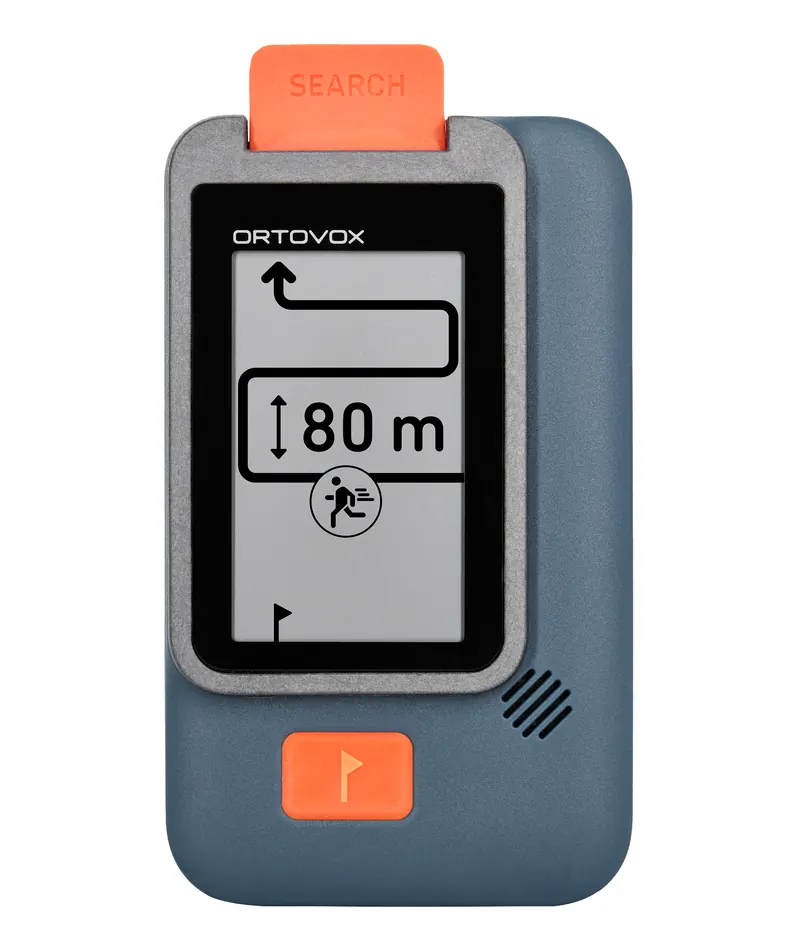 Today’s deviceFocus VoiceThe new Ortovox transceiver, with voice guidance during the search.
How it works
How a search works
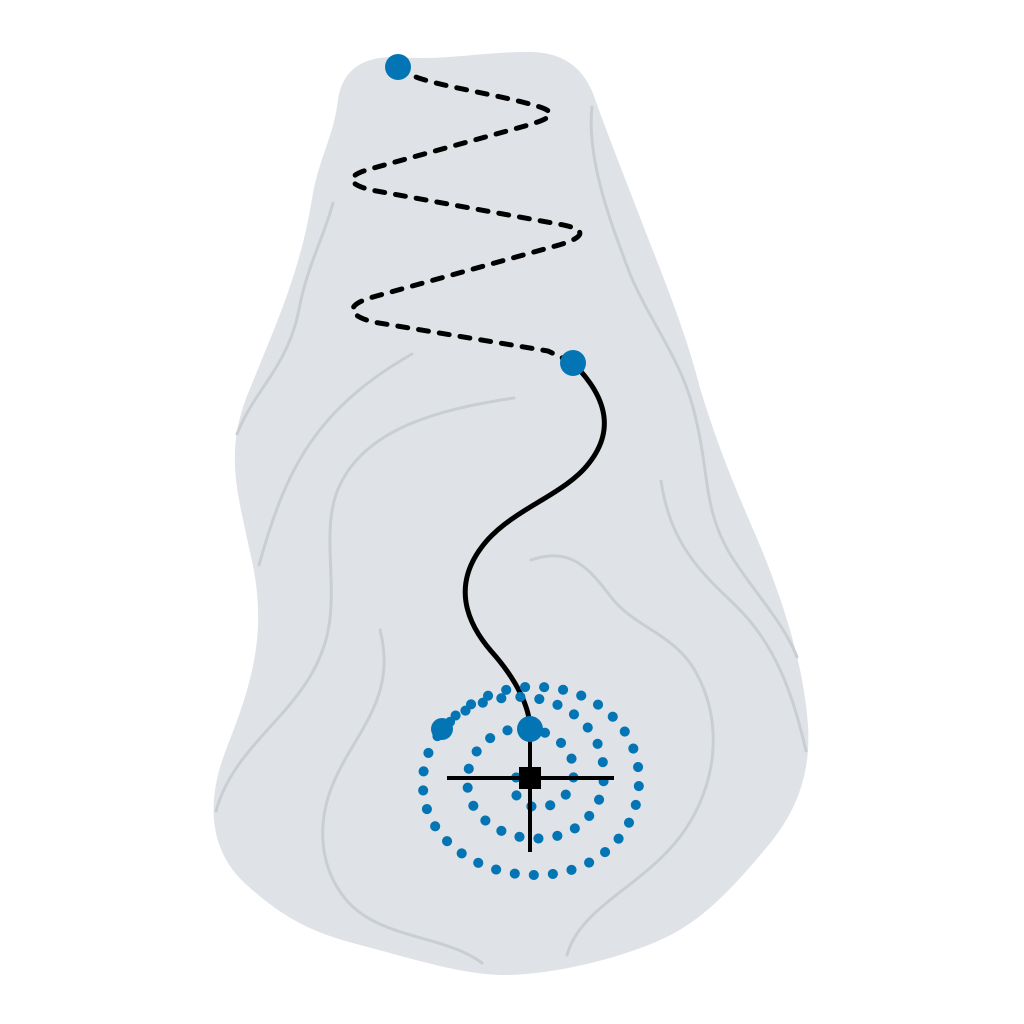
Simplified, for one buried person. How wide the search strips may be and when the fine search starts is in your device manual.
- SignalWalk the debris in strips until the device shows a signal.
- CoarseFollow the arrow. It leads along the field line, often in a curve rather than a straight line.
- FineSlow down, keep the device close to the snow and find the lowest reading in a cross pattern.
- ProbeProbe in a spiral from the inside out until you hit. Then start digging at once.
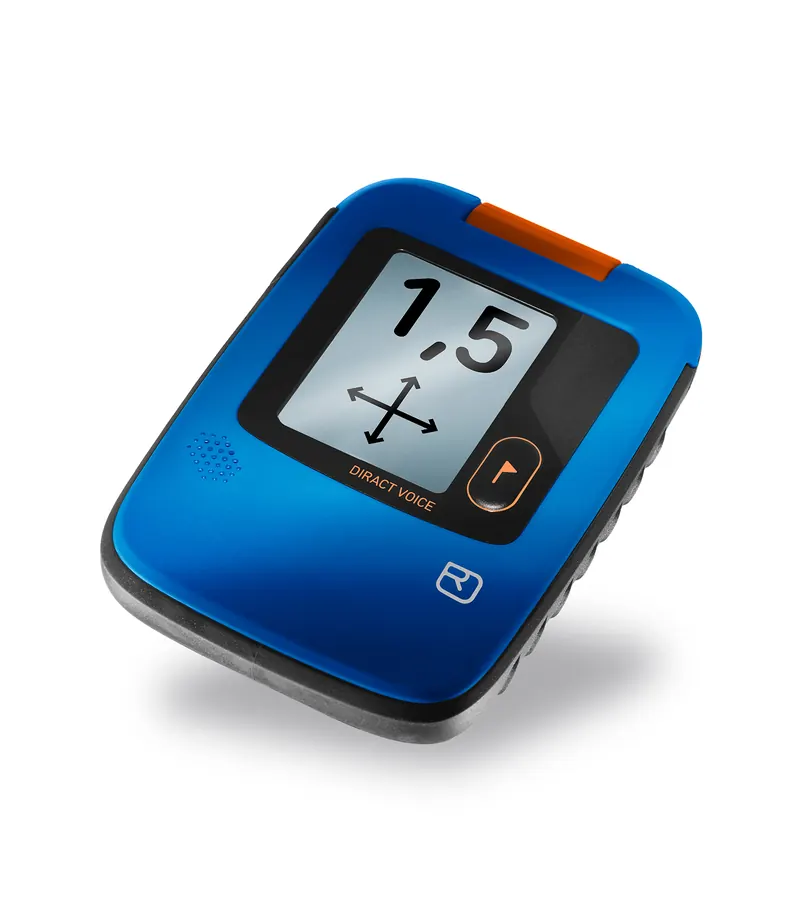 Tells you the directionDiract VoiceAccording to Ortovox, the first transceiver with voice navigation in 2021.
Transceiver, probe, shovel
In an emergency, what you carry counts
Search, probe, dig: there is a piece for every step. Transceiver, probe and shovel also come together in the Rescue Set.
Which step?
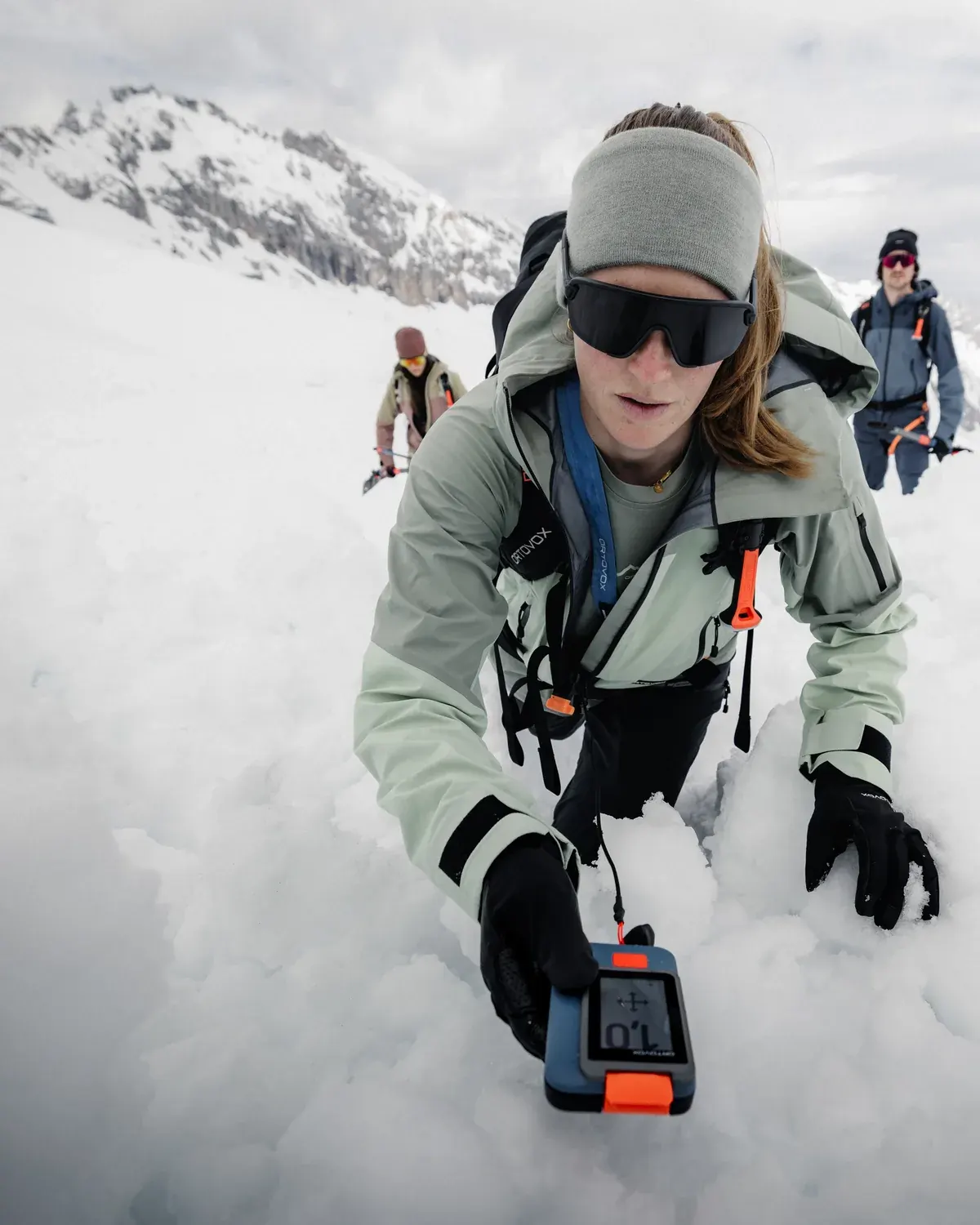
Search
Focus Voice
The transceiver finds buried people by their signal and tells you the direction.
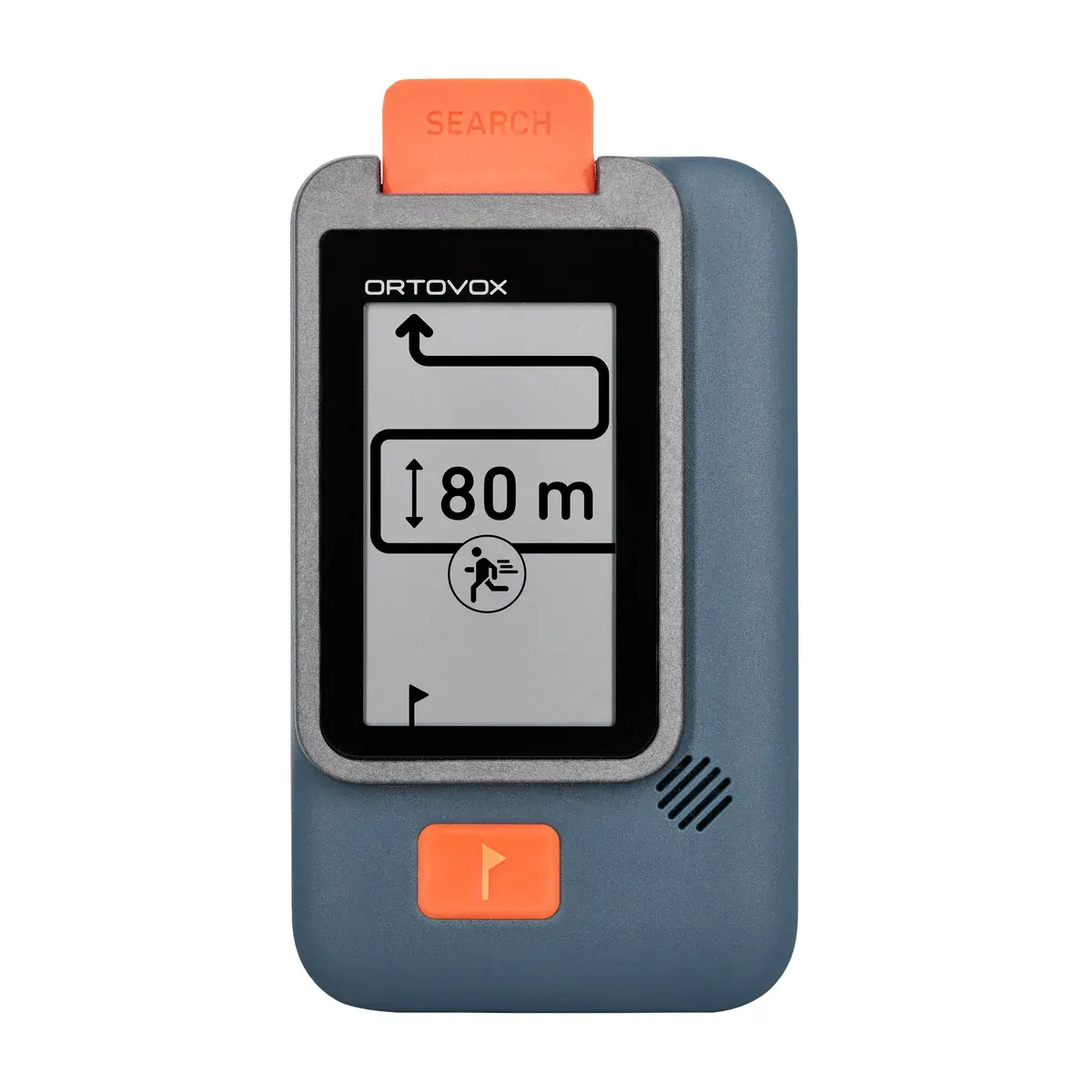
What it does
1Display
Arrows and numbers guide you through the search, plus voice prompts.
You can try out the search yourself. To the search
- Focus VoiceThe new Ortovox transceiver, with voice guidance.
- Also asDiract Voice
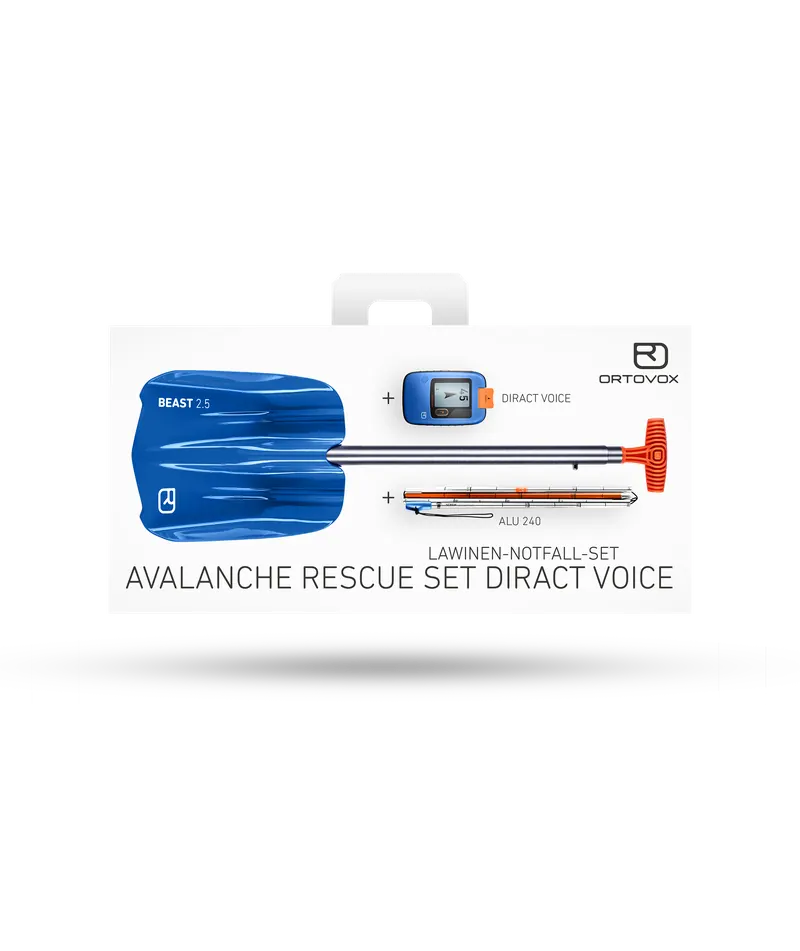 Also asRescue SET Diract Voice
Details from Ortovox, product pages and product videos retrieved on 5 November 2026. Search procedure simplified, no substitute for an avalanche course
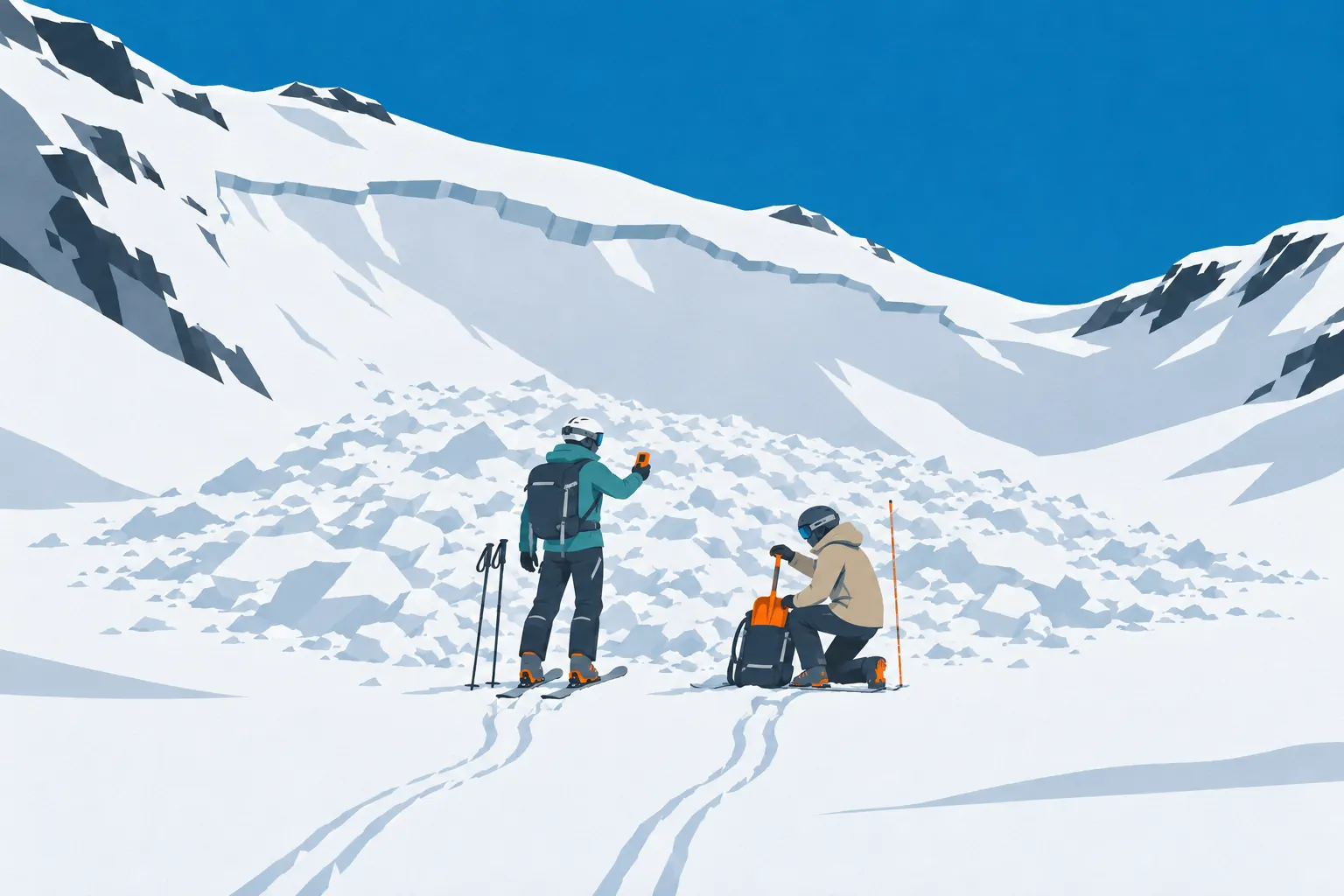
 Photo: Ortovox
 Photo: Ortovox / Max Draeger
 Photo: Ortovox / Max Draeger
Sources
Product information, weights and materials: Ortovox product pages and feature PDFs, retrieved 5 November 2026. History: Ortovox history. Values and quote: Our values. Wool: Merino wool at Ortovox (German). Courses: Safety Academy. Layers and packing tips: editorial recommendation.
SportFits
outdoors looks good on you
The cool stuff from over 200 brands. From the dog walk to the summit.
- Search
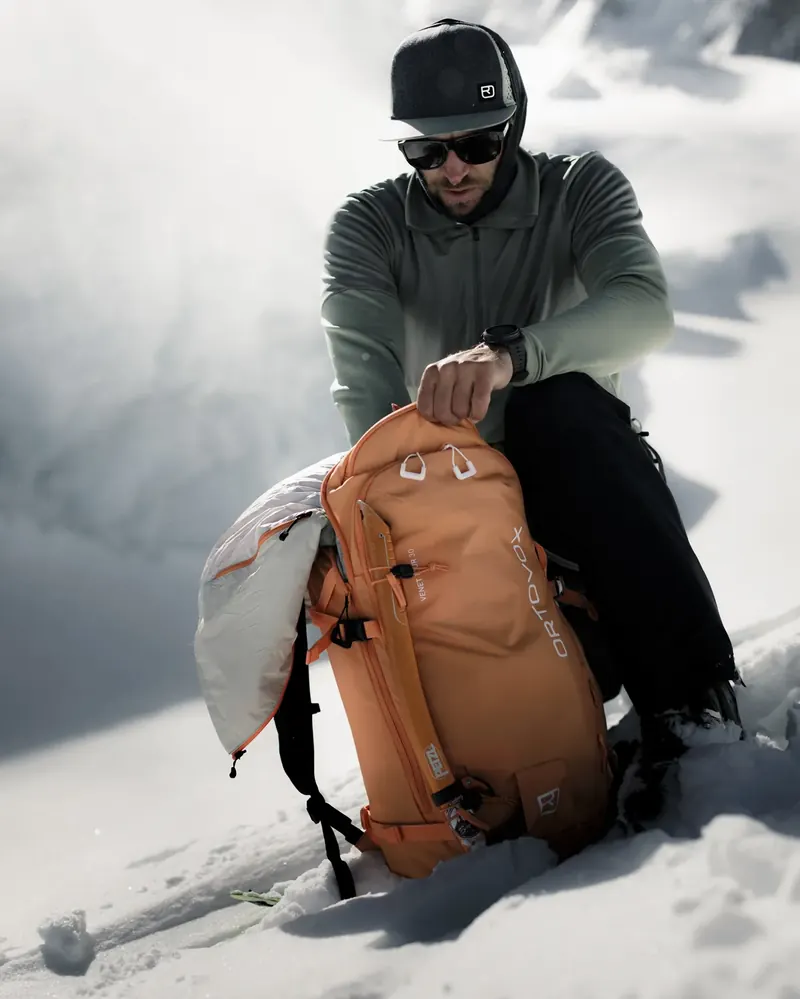 Ski touringVenet Tour 30
 Mountain tourTraverse 30