

Buying Guides
Merino wool: benefits and limits for outdoor clothing
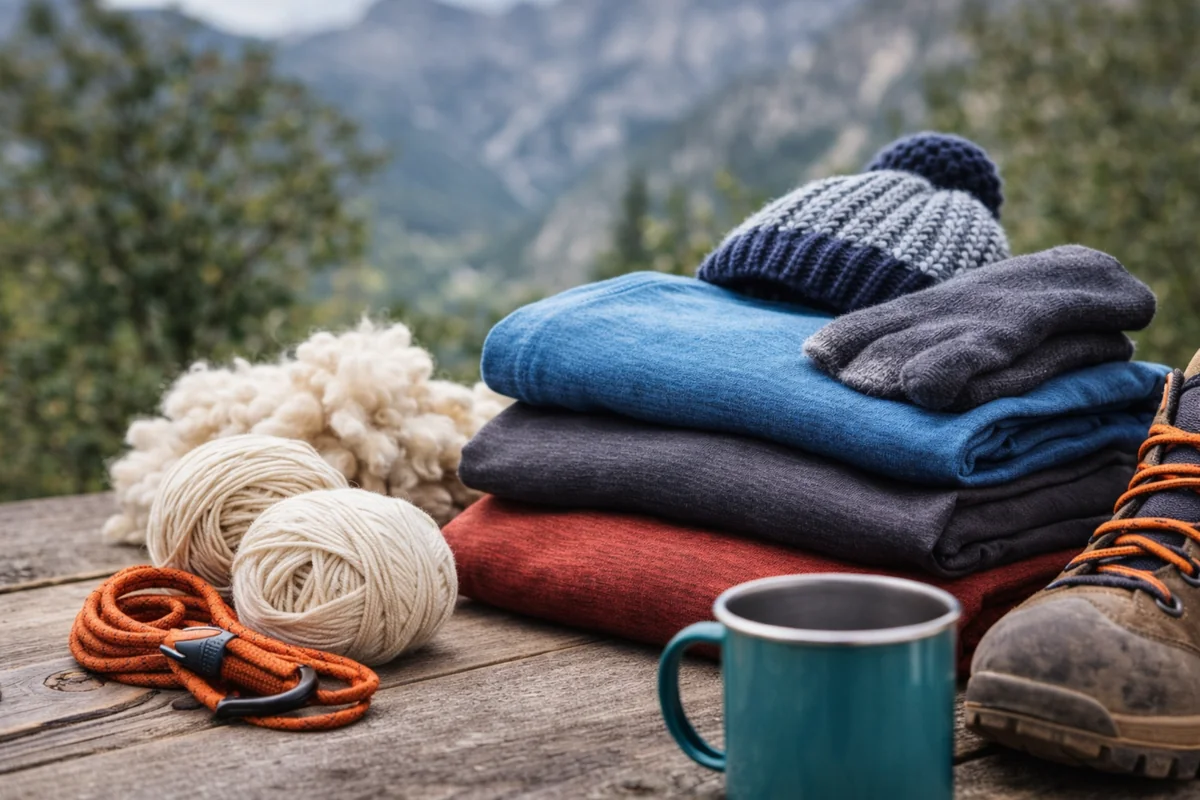
Merino wool turns up in lots of outdoor clothing. We look at its properties, its strengths and its limits across different activities.
Key points at a glance
- 01
Merino wool regulates temperature very well, keeping you warm in the cold and cool in the heat.
- 02
It is naturally odour-resistant and antibacterial, making it ideal for multi-day tours.
- 03
Merino wool is soft, breathable and manages moisture well, but it needs more care and costs more than synthetics.
- 04
When buying, look for mulesing-free quality, and care for it properly so it lasts.
- 05
For extreme conditions, a blend with synthetic fibres can be a sensible choice.
Updated: February 2026
Merino wool is one of the most versatile materials for outdoor use. It regulates body temperature, resists odour naturally and feels more comfortable on the skin than many synthetic fibres. But the natural fibre has its weaknesses too. We look at who merino suits, and where alternatives do better.
The advantages of merino wool
Merino wool is more than a trend. A whole range of properties makes it hard for outdoor enthusiasts to do without. One of the biggest is its excellent thermoregulation. The fine fibres trap a lot of air and form an insulating layer. So it keeps you cosy in winter and has a cooling effect when temperatures rise. That matters most in changeable weather or during hard exercise, because it helps keep your body at its ideal operating temperature.
Another plus is moisture management. Merino fibres can absorb up to 35% of their own weight in moisture without feeling wet. The moisture then moves slowly outwards, so your skin stays dry and you do not get chilled, an important factor in preventing colds. The wool's breathability also stops uncomfortable heat build-up.
Fine merino at 16.5 microns is among the softest varieties, and in high-quality blankets it reaches fabric weights of up to 1,000 g/m², which shows how well it insulates.
Odour resistance and comfort
After a hard day out, synthetic clothing can quickly start to smell. This is where merino plays its next card: it is naturally odour-resistant and antibacterial. The complex surface of merino fibres makes it harder for odour-causing bacteria to cling on and multiply. You can wear merino clothing for several days before it starts to smell, which is ideal for multi-day treks or travelling light. This property also makes it interesting for allergy sufferers, as it reduces mite reproduction.
Merino also scores on comfort. Unlike conventional wool, it does not itch. Its fibres are so fine and soft, often under 19 microns, that they feel gentle on the skin. That makes it a perfect choice for underwear and baselayers worn right next to your body. The wool's elasticity and shape retention mean clothing keeps its fit after frequent wearing and washing instead of stretching out. Many manufacturers, including Engel and Woolville, stress the 'highest quality' of the temperature-regulating and odour-resistant properties of their merino products.
The disadvantages: where merino wool reaches its limits
For all its strengths, merino wool has a few points to weigh up before you buy. The most obvious drawback is the higher price compared with synthetic alternatives. The demanding production and processing of the fine fibres, plus the high animal welfare standards many manufacturers now meet, are reflected in the price. For many people, though, the durability and performance make it worth the investment.
Another point is care. Merino wool is more delicate than synthetic fibres. It reacts to high temperatures, strong friction and certain detergents, and the wrong care can cause shrinking, felting or fibre damage. Even though modern merino products are often machine washable, they still need more attention. A knitting expert from JoelJoel, for example, warns that knitting too tightly or using needles that are too small can make merino feel 'like a board' and lose its fluffiness. It shows how much correct handling matters for keeping the material soft.
Sensitivity and wear
Merino wool is hard-wearing, but not indestructible. Compared with robust synthetic fibres, it is less resistant to abrasion and wear. Pilling or thin patches can appear sooner, especially in high-stress areas such as under rucksack straps or in the armpits. To counter this, many manufacturers use blends. Adding fibres such as nylon or Tencel increases durability without taking too much away from merino's strengths. These hybrid products combine the comfort and thermoregulation of wool with the toughness and longevity of man-made fibres.
Sourcing can also remain controversial in some circles, despite high animal welfare standards such as mulesing-free production. That is one reason recycled wool is becoming more popular: no new fibre has to be produced for it. And although merino is very kind to the skin for most people, some allergy sufferers react to wool in general and need to choose alternatives.
Practical tips for buying and caring for merino
Step 1: Buy the right product
When buying, look for mulesing-free quality and a low micron count, ideally under 19 microns for superfine merino, for maximum softness. Depending on what you will use it for, decide whether you need pure merino or a blend with silk or nylon for extra durability.
Step 2: Wear it well
In winter, wear merino as a base layer to hold in warmth and wick moisture away, for example as long underwear. In summer, it has a cooling effect and is ideal for hiking. That versatility makes it a year-round companion.
Step 3: Gentle care
After wearing, air merino clothing outside every day instead of washing it straight away. This removes moisture and odours and keeps it soft. You can machine wash it at 30 °C on a wool cycle with a special wool detergent. Avoid the tumble dryer and dry garments flat in the air so they keep their shape.
Step 4: Tips for specific uses
For babies and for outdoor activities, the rule is to layer lightly and breathably, for example with merino underwear. If you knit with merino wool, try different needle sizes to get an airy stitch and make the most of its softness.
Step 5: Check where the wool comes from
Choose animal-friendly products and find out where the wool comes from. Look for independent certification such as the RWS (Responsible Wool Standard). Good care makes your clothing last longer.
Frequently asked questions about merino wool
Frequently asked questions
Is merino wool really that warm?
Yes, merino wool provides excellent insulation thanks to its fine, crimped fibres that trap air. At the same time, it can also keep you cool in warm conditions by effectively moving moisture away from the skin and allowing it to evaporate.
Does merino wool itch against the skin?
No. Unlike conventional sheep's wool, merino wool does not generally itch. Its fibres are much finer and softer, so it feels comfortable against the skin and is also suitable for sensitive people.
How often do I need to wash merino clothing?
Thanks to its odour-resistant properties, merino clothing needs washing far less often than synthetics. It is often enough to air it thoroughly after wearing. Wash it only when it is genuinely dirty, at a maximum of 30 °C on a wool cycle.
What should I look for in terms of sourcing and environmental impact?
Merino wool is an animal fibre. Its environmental impact depends on how the sheep are kept, how the wool is processed and what it is blended with. When buying, look for certifications such as 'mulesing-free' to support animal-friendly production. Good care makes your clothing last longer.
Can I wear merino wool in summer?
Definitely. Merino wool is not just for winter. Because it wicks moisture and breathes, it has a cooling effect in summer and prevents heat build-up, which makes it a great material for hiking and outdoor activities on warmer days.
Discover merino clothing
From baselayers to socks, you will find merino products for every outdoor activity at SportFits.
Go to the SportFits shop ↗Sources
- SportFits Magazine: advantages and disadvantages of merino wool ↗
- Bibino app: how to dress your baby in winter ↗
- Bergfreunde.at: review of Heber Peak Merino190 Roothe long pants ↗
- Bergfreunde.de: Engel women's merino underwear bikini briefs ↗
- JoelJoel.de: introducing Cashmino yarn by Ferner Wolle ↗
- Woolville.de: merino wool blanket with camel wool ↗
Inspiration, knowledge and gear for people who want more from the outdoors.