
Training & Health
Hiking and health: what research says about the mountains
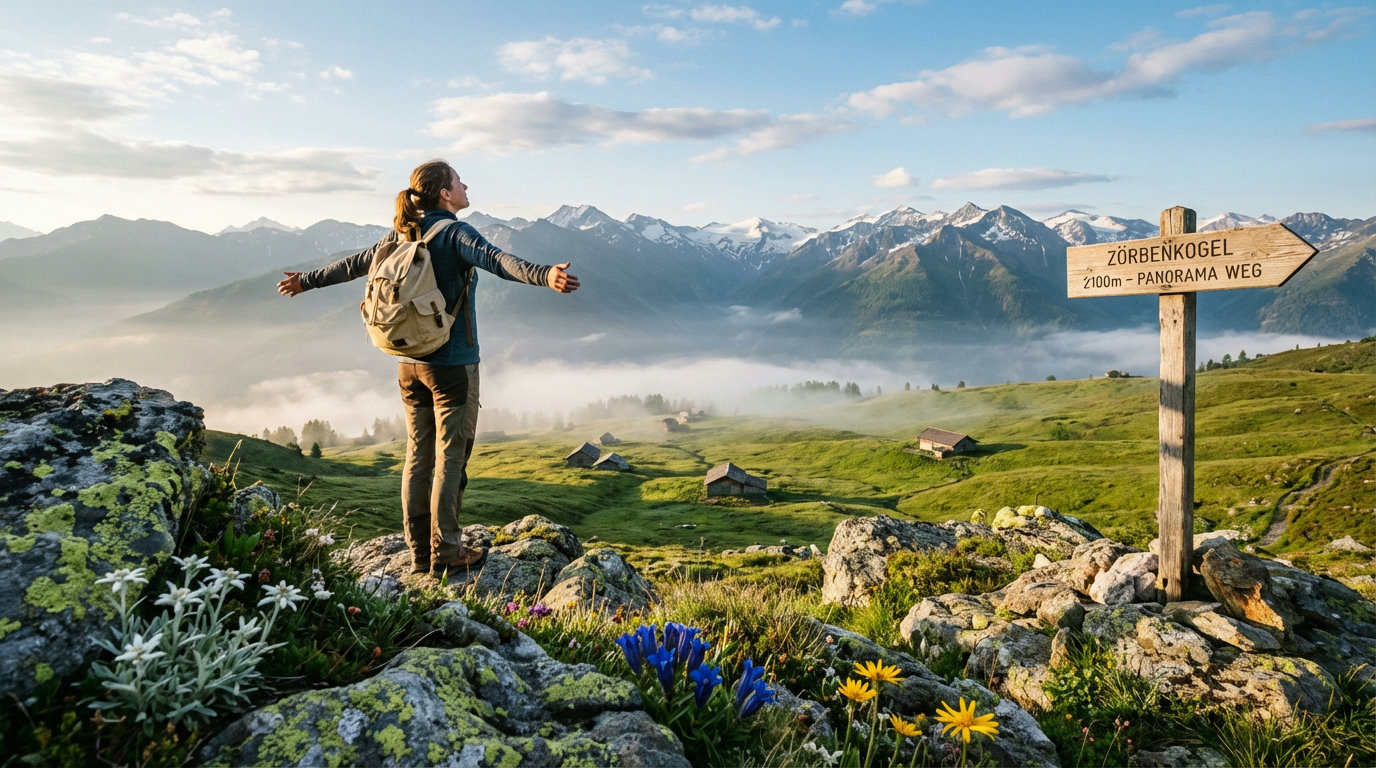
Less stress, a stronger heart, a better mood: research shows why mountain hiking is more than just exercise in the fresh air.
Key takeaways
- 01
A single three-hour mountain hike can measurably lower your cortisol level and improve your mood.
- 02
Regular hiking strengthens the cardiovascular system, the immune system and metabolism, with a low risk of injury.
- 03
Nature makes the difference: the same effort feels less demanding on the mountain than on a treadmill.
- 04
Hiking also works on the mind. Studies show less anxiety, more calm and better wellbeing.
- 05
You don't need extreme performance. Moderate, well-dosed hikes bring the biggest benefit.
Why a mountain hike makes you feel better straight away
You know the feeling: after a hike you're tired, but also clearer in the head, calmer and somehow more content. That's no coincidence and not your imagination. Research can now explain what's behind it.
Mountain hiking combines three things that are good for you on their own: moderate endurance exercise, contact with nature and distance from everyday life. Together they add up to more than the sum of their parts. And the best bit: you don't need extreme training. A normal day hike is enough.
The Alpine Club study: mountain hiking lowers stress hormones
One of the most important studies on the subject comes from the German Alpine Club (DAV), together with the German University of Health and Sport in Berlin. The research team led by Prof. Sven Sohr followed 24 highly stressed people for a whole year. Participants hiked in every season, four mountain hikes spread across the year.
The results were clear. Cortisol, the body's central stress hormone, dropped significantly after the hikes. At the same time, positive feelings such as contentment, calm and even gratitude rose measurably. Negative emotions such as anxiety and lack of energy went down.
What's especially interesting: the effect built up over time. Every single hike contributed, and after a year a lasting effect was measurable. Overall, the participants had become more resistant to stress.
The study also made a surprising observation. Physical effort during mountain hiking was objectively higher than in a comparison group on the treadmill, yet it was not perceived as more strenuous. More on that shortly.
What happens in your body: heart, muscles, immune system
Hiking is endurance training in its most natural form. The load is steady, easy to dose and surprisingly effective. These are the main physical effects backed by studies:
Heart and circulation: Regular hiking trains your cardiovascular system gently but effectively. Blood pressure demonstrably falls, especially in people with mildly raised blood pressure. Even easy hikes show positive effects.
Muscles, bones and joints: Going uphill strengthens your leg muscles, going downhill trains the stability of knees and ankles. The changing load on uneven ground strengthens bones, tendons and ligaments in a way a flat treadmill can't.
Metabolism and weight: Hiking gets fat burning going and can have a favourable effect on blood sugar and insulin levels. As a low-threshold endurance sport, it suits people who are dealing with excess weight particularly well.
Immune system: Moderate exercise produces natural killer cells and activates the immune system. Cortisol, the stress hormone that dampens your defences, is broken down while you hike. Sunlight stimulates vitamin D production, and trees release phytoncides, volatile plant compounds that, according to studies, can further improve immune function.
Scientific studies confirm the link between regular endurance training and stronger defences, particularly in older people.
Why mountains work better than the gym
Perhaps the most surprising finding: the special effect of mountain hiking doesn't come from the movement alone. The surroundings play a decisive role.
In the Alpine Club study, the objective load during mountain hiking was at times higher than on the treadmill, with heart rate and energy use above the comparison values. Even so, participants did not find the mountain hike more strenuous. Quite the opposite: they reported less subjective stress.
Research explains this with several factors:
- Wide views and panoramas draw attention away from the effort
- Natural sounds such as birdsong, wind and running water lower the stress response without you noticing
- Distance from everyday life: no phone signal, no to-do list, no screen
- Height gained and changing scenery create a sense of progress and reward
A broad review in Frontiers in Public Health (2025) confirms these findings on a wide basis: hiking improves physical fitness and also brings measurable benefits for mental health and social wellbeing.
A 2026 systematic review in the Journal of Environmental Psychology analysed 25 studies from nine countries. Its conclusion: for many people, nature-based exercise programmes can be an effective intervention in their own right.
Mind and mood: more than feeling good
The mental effects of hiking go beyond a short high. The research shows:
Stress relief: Just 30 minutes of movement in nature can measurably lower stress hormone levels. Hike regularly and the effect lasts longer, because your body learns to regulate stress better.
Mood and calm: The Alpine Club study recorded a rise in contentment, calm and inner peace after every mountain hike. Negative emotions such as restlessness and anxiety decreased.
Cognitive performance: Studies suggest that hiking in nature can improve attention, working memory and cognitive flexibility. Rhythmic walking combined with natural sensory input seems to stimulate the brain in a particular way.
Long-term resilience: A study by the SRH University of Health in Germany, commissioned by the German health insurer BKK Pfalz, found that 70 per cent of participants reported higher wellbeing after regular health hiking than at the start. The effect was clearest in those who had started out below average.
How to dose your hikes for health
Research also shows the flip side: the positive effect can tip over if you overdo it. If you regularly push yourself to your limits, you produce more stress hormones, not fewer. The dose makes the difference.
Moderate hikes, where you can still hold a conversation without getting out of breath, bring the greatest health benefit. Current research projects are even mapping trails by cardiovascular load, so you can match routes to your fitness more easily.
When you're starting out: shorter and regular beats one epic stage a year. The Alpine Club study shows that the effect builds up over several hikes. Consistency beats intensity.
Frequently asked questions
How often should I hike to get health benefits?
The evidence suggests that even one hike a week can have positive effects on stress levels and the cardiovascular system. The Alpine Club study found lasting effects with four hikes spread over a year. Regularity matters more than frequency.
Do I have to go to the mountains, or is hiking in flat country enough?
Hiking in flat country also has proven health effects. Research shows, however, that mountain hiking can have a stronger effect thanks to the combination of altitude, changing terrain and a more intense experience of nature. In the end, the best hike is the one you actually do.
How long does a hike need to be to benefit my health?
Studies show measurable stress reduction after just 30 minutes of hiking in nature. The strongest effects on cortisol and mood were measured on hikes of two to four hours. It doesn't have to be a full-day tour.
Is hiking a good idea for older people?
Yes, for older people hiking is particularly valuable. It trains strength endurance, balance and coordination at the same time. A current study at FAU Erlangen-Nürnberg in Germany is looking specifically at the effects of mountain sports on physical and mental health in later life. Important: match your hikes to your fitness and get medical advice if you have existing conditions.
Can hiking also be harmful?
Yes. If you overload yourself, the positive effect can turn negative. Regularly overdoing it raises your stress hormone levels instead of lowering them. Poor fitness or the wrong equipment also increases the risk of injury. The rule: start moderately and build up slowly.
More to explore
Read on and explore our tools
Sources
- German Alpine Club (DAV) study: stress reduction through mountain hiking (Prof. Sven Sohr) ↗
- Alpine Sicherheit Bayern: stress reduction through mountain hiking project ↗
- Frontiers in Public Health: integrative review of the physical, mental and socioeconomic benefits of hiking (2025) ↗
- Deutsches Wanderinstitut: hiking and health ↗
- Deutsche Herzstiftung: hiking and heart health in nature ↗
- ALPIN: scientifically proven, hiking works ↗
- bergundsteigen: stress reduction through mountain hiking ↗
Inspiration, knowledge and gear for people who want more from the outdoors.