
Training & Health
Healthy living: the five pillars for more vitality

Nutrition, exercise, sleep, mental strength and prevention: the five pillars of a healthy lifestyle, with a simple 4-week plan to get you started.
Key points at a glance
- 01
A healthy lifestyle is based on nutrition, exercise, sleep, mental strength and prevention.
- 02
Just 150 minutes of moderate exercise a week plus two strength sessions significantly lowers your risk of disease.
- 03
Aim for 7–9 hours of sleep a night, and look after your social connections for the sake of your mental health.
- 04
A wholefood diet with plenty of fruit and vegetables is the basis of physical performance.
- 05
Regular health check-ups and reducing your risks are crucial for long-term health.
Updated: February 2026
Why a healthy lifestyle makes a difference
A healthy lifestyle is not an all-or-nothing project. Even small changes to what you eat, how you move and how you sleep can have measurable effects on your energy, mood and long-term health. This guide shows you the five most important levers, and how to get started with a concrete 4-week plan.
Benefits and challenges of a healthy lifestyle
What speaks for it
Lowers the risk of chronic diseases such as diabetes and cardiovascular disease
Boosts energy levels and physical performance
Improves mental clarity and emotional stability
Encourages a positive outlook and resistance to stress
Increases life expectancy and quality of life in later years
Strengthens the immune system and resilience
What to weigh up
Requires discipline and consistent effort
The initial switch means breaking established habits
Planning and sticking to it can take time
Social influences can make healthy choices more difficult
Individual needs often require adjustments and professional advice
Putting it into practice: your 4-week starter plan
Week 1: focus on nutrition
Add an extra portion of vegetables or fruit to every meal to reach your ‘5 a day’. Swap white-flour products for wholegrain versions and drink at least 1.5 to 2 litres of water a day. Start the day with a glass of water and eat mindfully.
Week 2: build in exercise
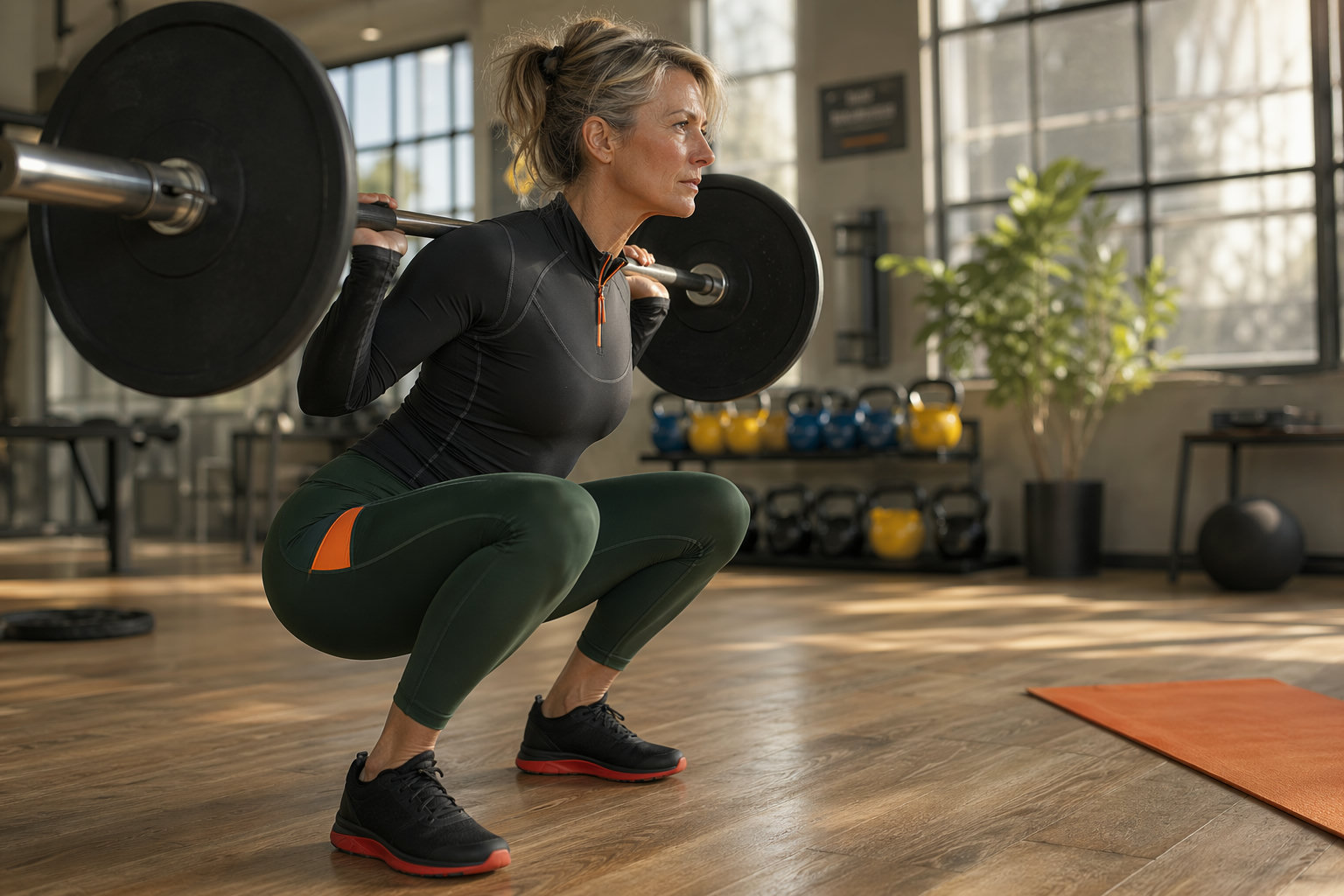
Three times a week, fit in 20–30 minutes of brisk walking or jogging. Add two 20-minute strength sessions with basic exercises such as squats, press-ups (modified if needed) and resistance-band rows. Take the stairs instead of the lift.
Week 3: sleep and recovery
Set a regular bedtime and get up at the same time every day, weekends included. Put your screens away 30 minutes earlier before bed and try a relaxation exercise or a short breathing meditation to wind down. Aim for 7–9 hours of sleep.
Week 4: mental strength and prevention
Book a fixed weekly slot to see friends or do something you enjoy. Check your vaccinations are up to date and, if needed, make an appointment for a health check-up. Build short breaks into every day to reduce stress.
Frequently asked questions about a healthy lifestyle
Frequently asked questions
How much exercise do you really need?
The World Health Organization (WHO) recommends at least 150 minutes of moderate physical activity a week, plus two strength-training sessions. Even 15 minutes of moderate exercise a day has proven health benefits, such as a lower risk of type 2 diabetes and cardiovascular disease.
What does a ‘balanced diet’ actually mean?
A balanced diet includes plenty of vegetables and fruit (at least ‘5 a day’), wholegrains, pulses and nuts. Choose lower-fat cooking methods and drink mainly water: 1.5–2 litres a day, more when you exercise. Avoid highly processed foods and unnecessary sugar.
How important is sleep for your health?
Sleep is essential for cell repair, brain function and metabolic regulation. Enough regular sleep (7–9 hours for most adults) lowers the long-term risk of many diseases and supports mental performance and mood. Lack of sleep has far-reaching negative effects.
Do social connections play a role in health?
Definitely. According to experts such as the German physician Dietrich Grönemeyer, social bonds and taking an active part in community life are crucial for healthy ageing. They support mental health, reduce stress and can lower the risk of depression and dementia. So look after your friendships and family relationships.
When should I consult a doctor?
Regular health check-ups are an important part of prevention. Personal advice from a doctor or other qualified professional is essential if you have a chronic condition, are pregnant, take medication or are planning a very specific training or nutrition programme.
Exercise starts with the right equipment
Whether you hike, run or train in the gym, you will find gear for your active lifestyle at SportFits.
Go to the SportFits shop ↗Sources
Inspiration, knowledge and gear for people who want more from the outdoors.