Buying Guides
Mountain Equipment Xenith Jacket: maximum warmth, minimum weight
In partnership withMountain Equipment
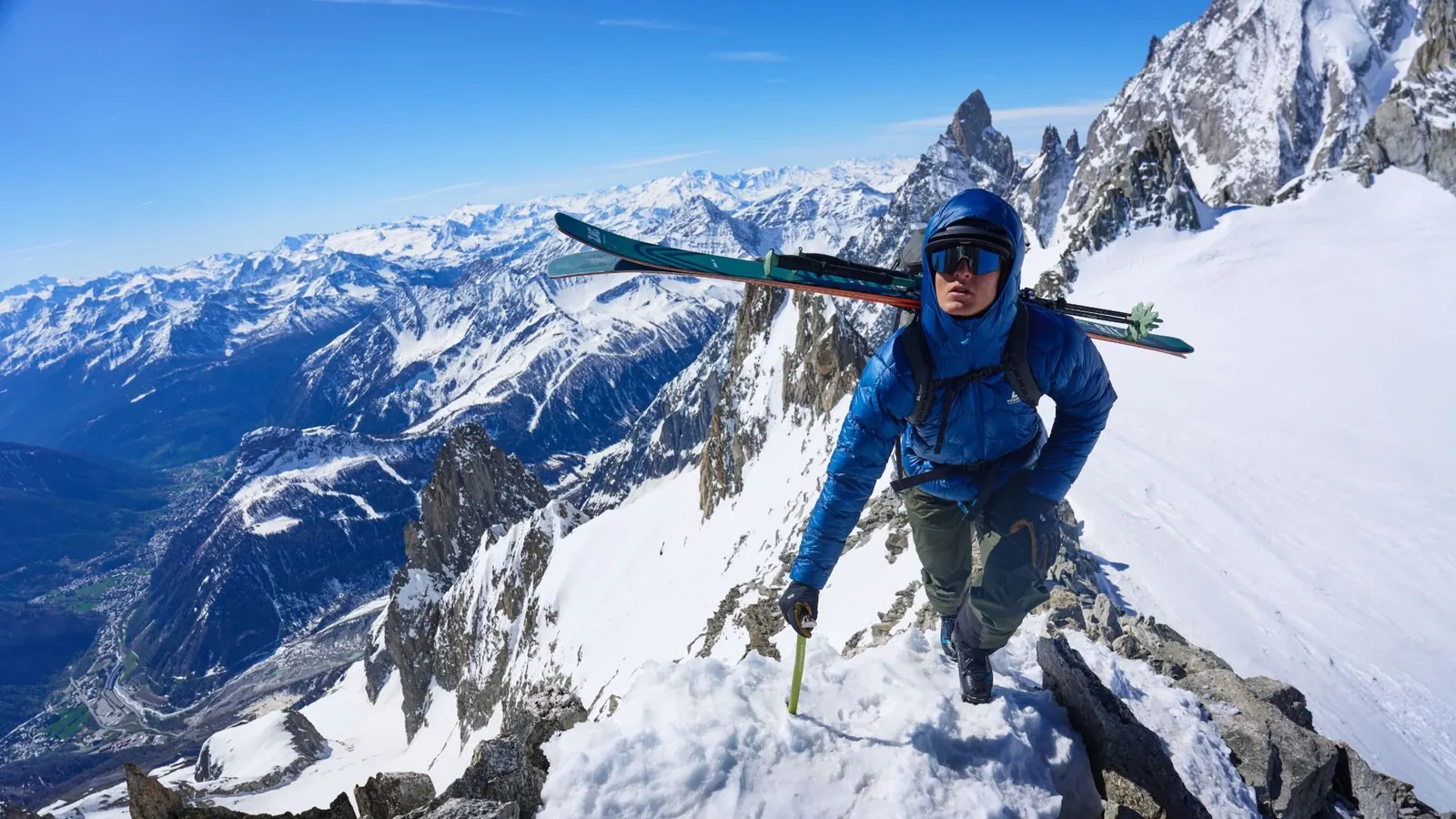
Hexagonal down baffles, 120 g of goose down, 320 g in total: what makes the new Xenith from Mountain Equipment special, and when the Lightline, Jokla or K7 is the better choice.
Key facts at a glance
- 01
According to the manufacturer, the Xenith weighs just 320 g (men's, size L), making it the lightest of the four jackets.
- 02
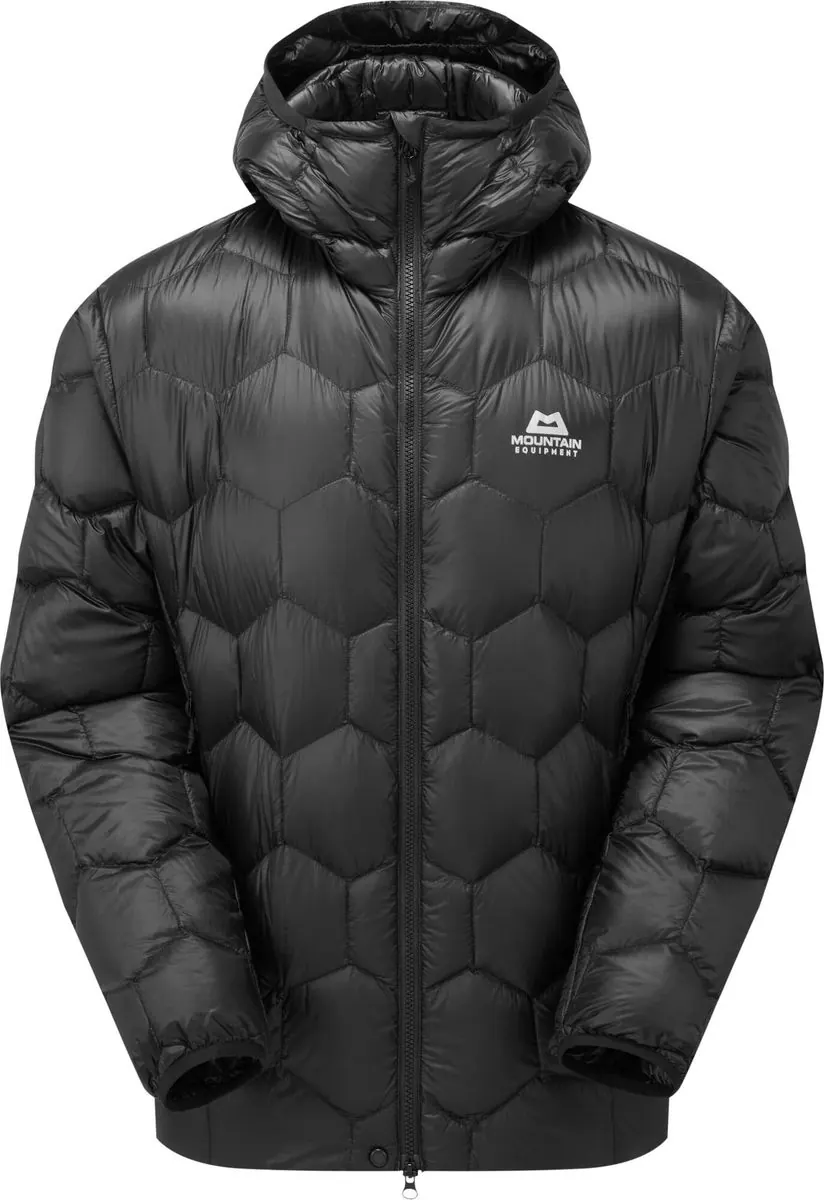
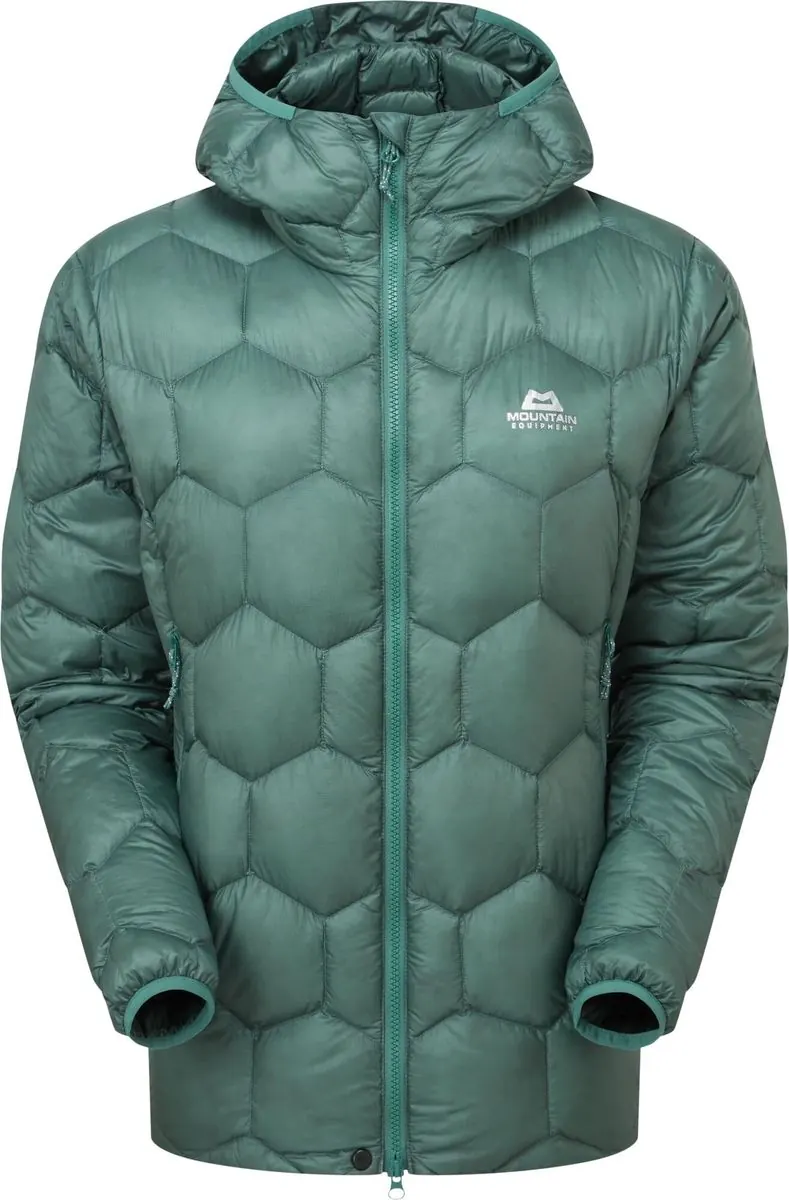
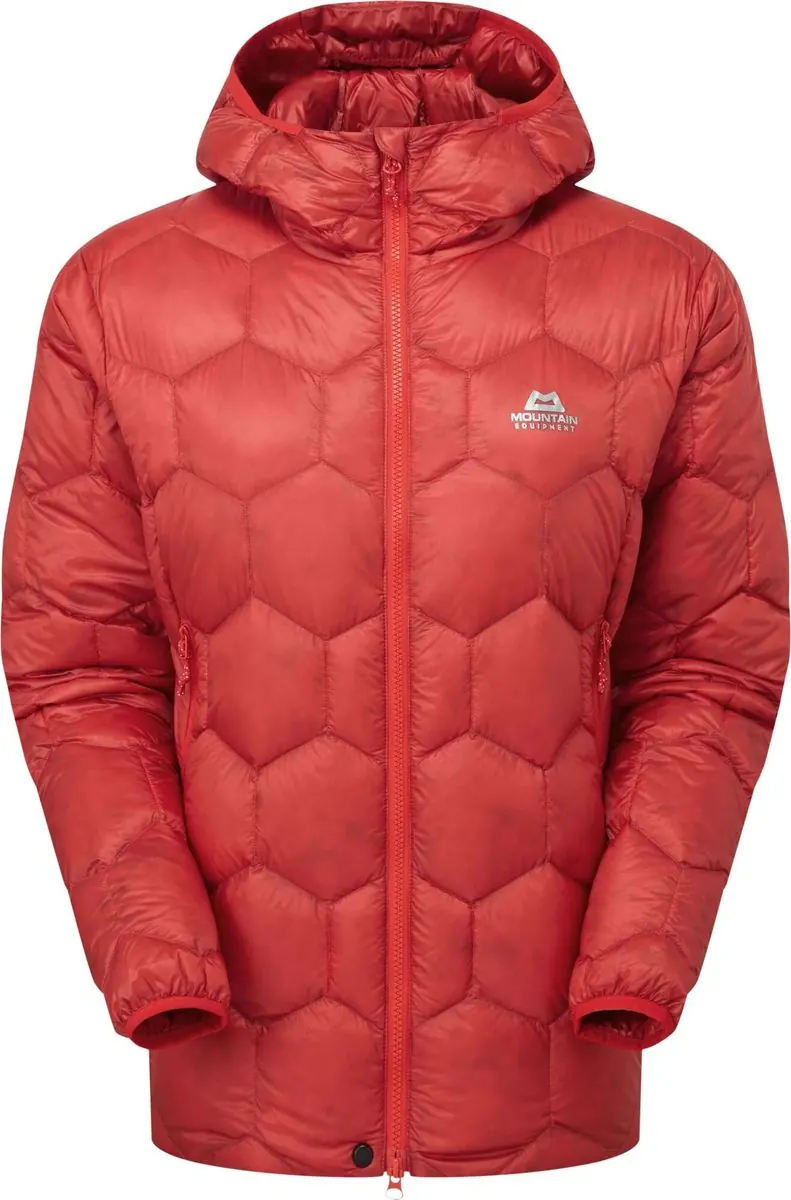
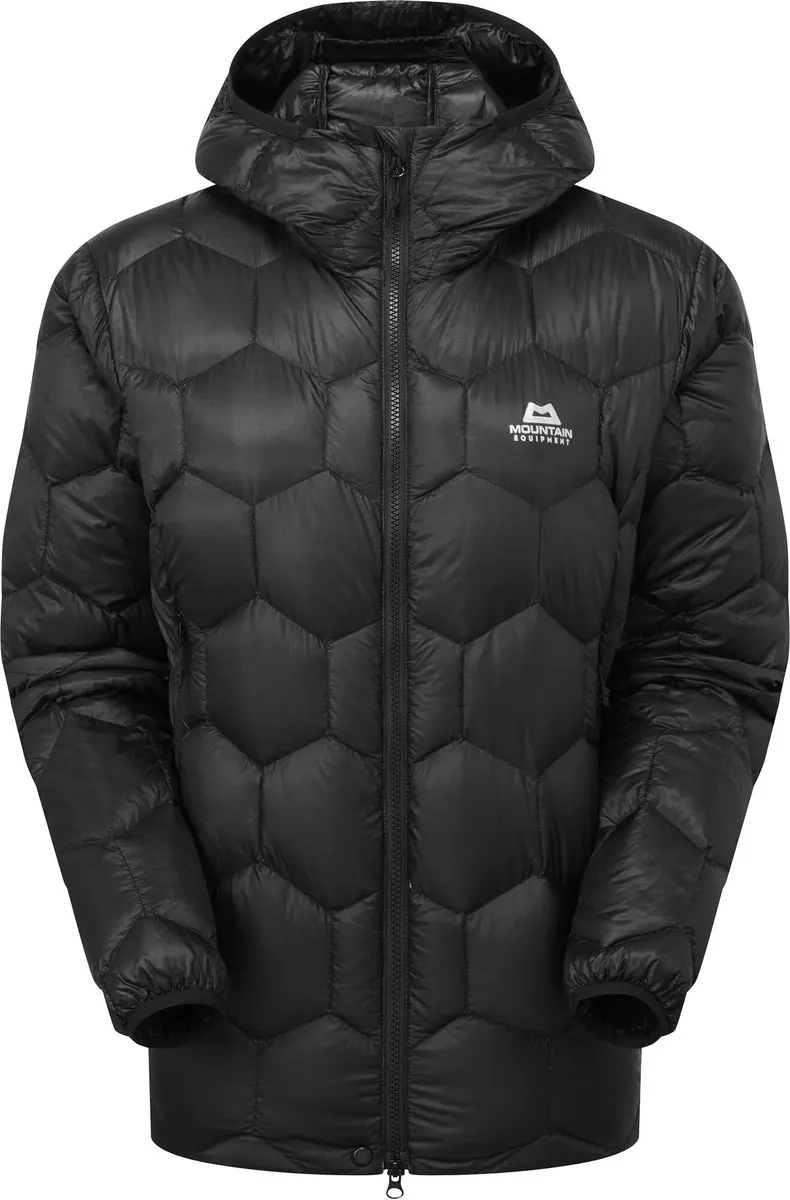
Its hexagonal baffles are designed to spread the down evenly and reduce cold spots at the seams.
- 03
The ultra-thin outer fabric saves weight but is delicate on sharp rock.
- 04
The Jokla and K7 offer more warmth, while the Lightline is better suited to everyday wear and the hut.
Why weight matters so much in a down jacket
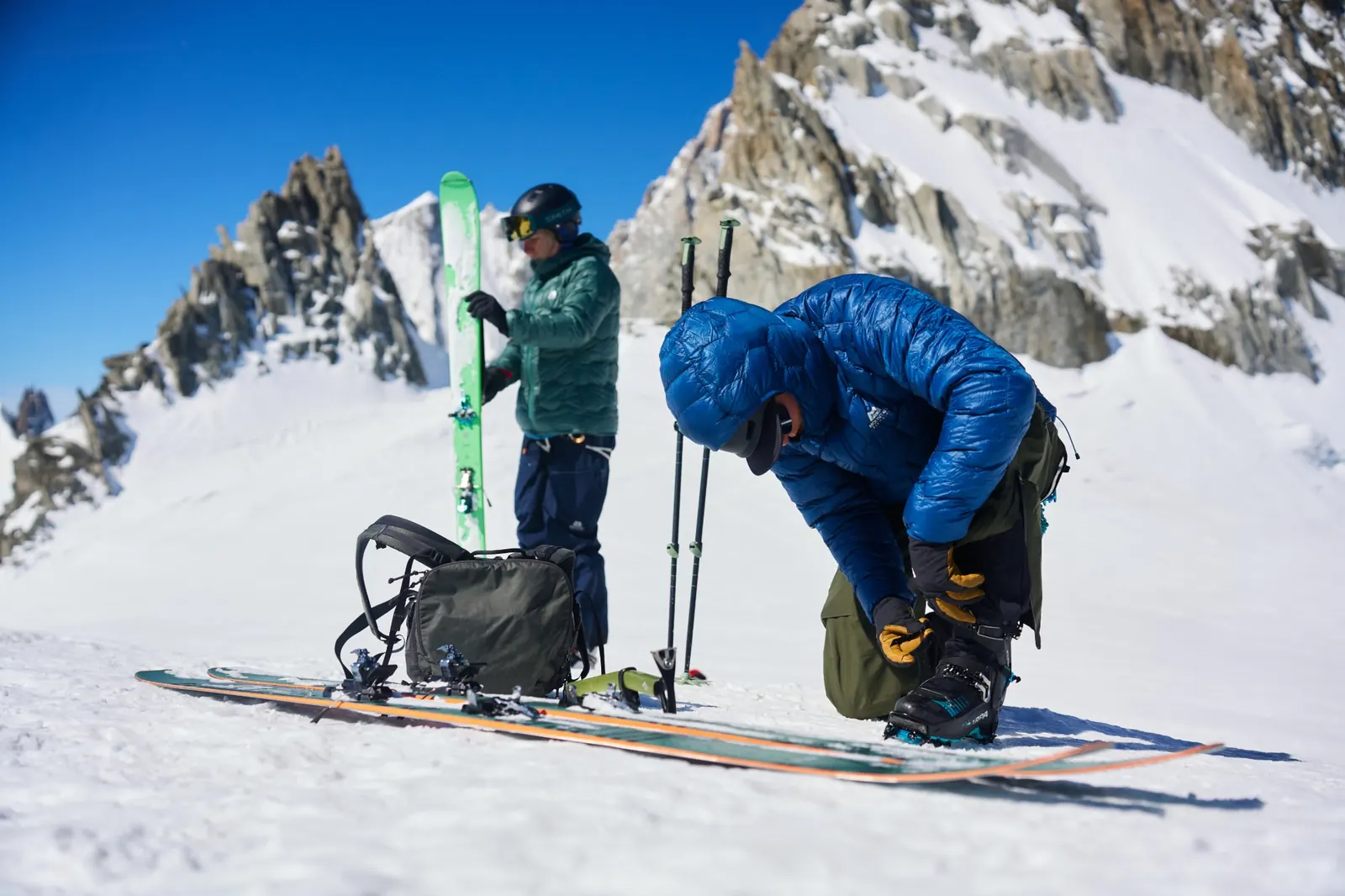
The wind is howling on the summit, you're taking off your skins and your fingers are going stiff. That's exactly when your down jacket needs to keep you warm. The rest of the day it sits in your pack. On ski tours and alpine tours, one thing matters above all: how much warmth per gram you get.
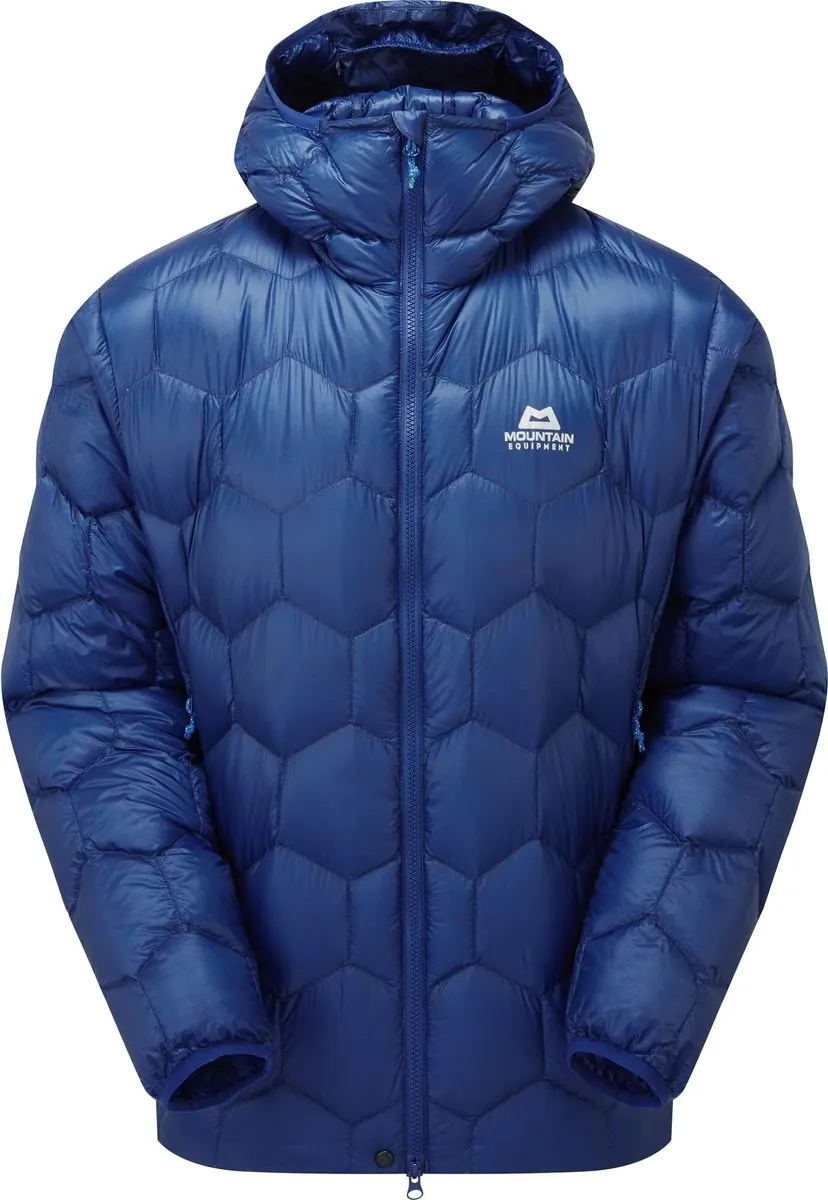
That's where the Xenith Jacket comes in, the new ultralight down jacket from Mountain Equipment for autumn/winter 2026/27. The British brand takes a different approach to lightweight construction. The baffles are hexagonal.
The Xenith at SportFits
 Men
 Men
 Men
 Men
 Women
 Women
 Women
Hexagonal baffles: how the Xenith is built
A down jacket keeps you warm because the down traps air. To make sure it does so evenly, the down is stitched into baffles. The usual solution is horizontal channels. Their drawback: at every seam, the outer and inner fabric lie directly on top of each other. There's hardly any down there, and that's where heat escapes. This is called a cold spot.
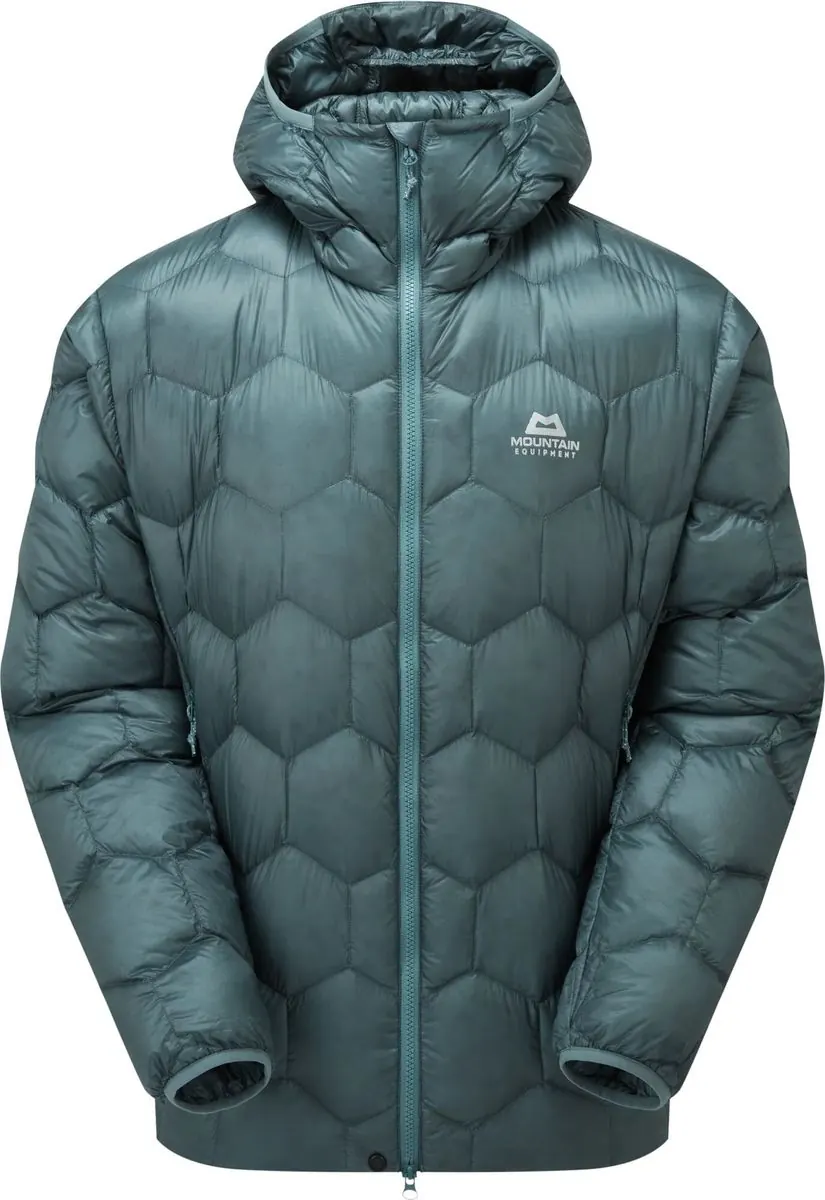
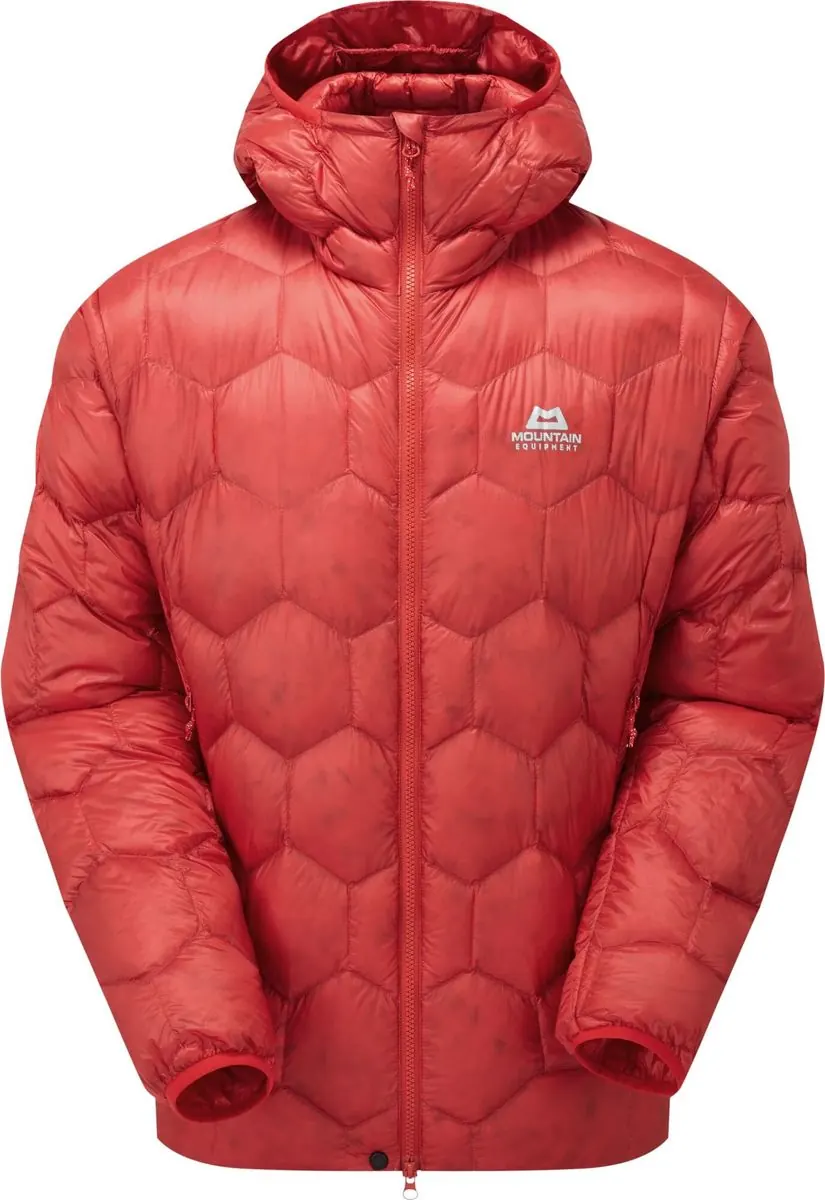
On the Xenith, Mountain Equipment replaces the channels with hexagons. According to the manufacturer, the idea came from a study published in 2023. Its finding: hexagonal baffles could be more thermally efficient than straight ones. The shape is familiar from nature, from snowflakes, tortoise shells and basalt columns. According to the manufacturer, the fill weight and down density are optimally matched to the new baffle shape.
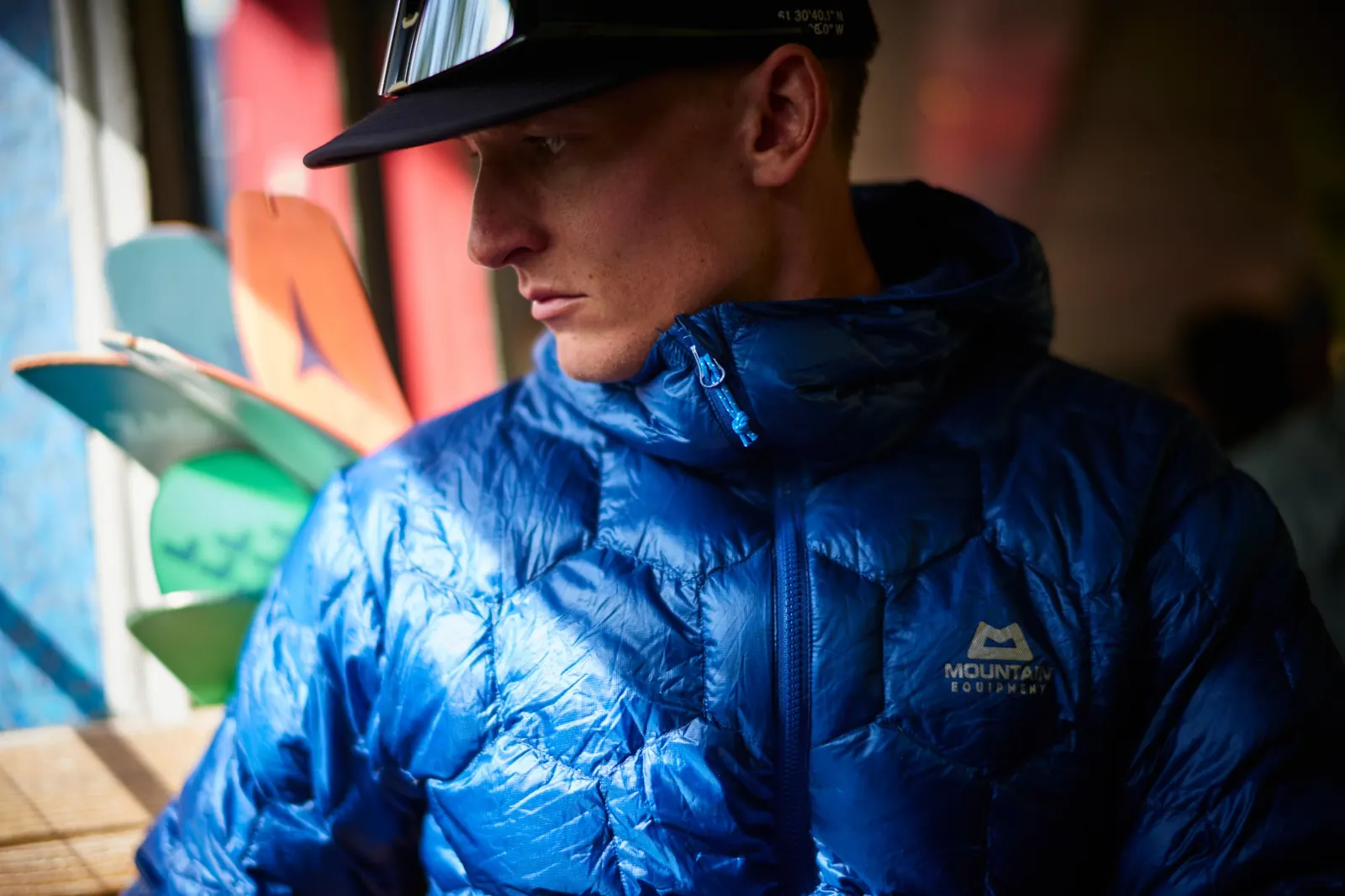
Mountain Equipment expects four benefits from this. The down lofts evenly across the whole jacket, so the loft, meaning its ability to puff up, is the same everywhere. In the small, closed cells it can't shift and always keeps you warm where it should. There are fewer cold spots at the seams. And if the insulation gets damp, it dries faster because the down has a water-repellent treatment.
In the climate chamber and in the field, the manufacturer says the Xenith showed "significant progress" compared with down jackets with narrow baffles and a similar weight.
Xenith materials and features in detail
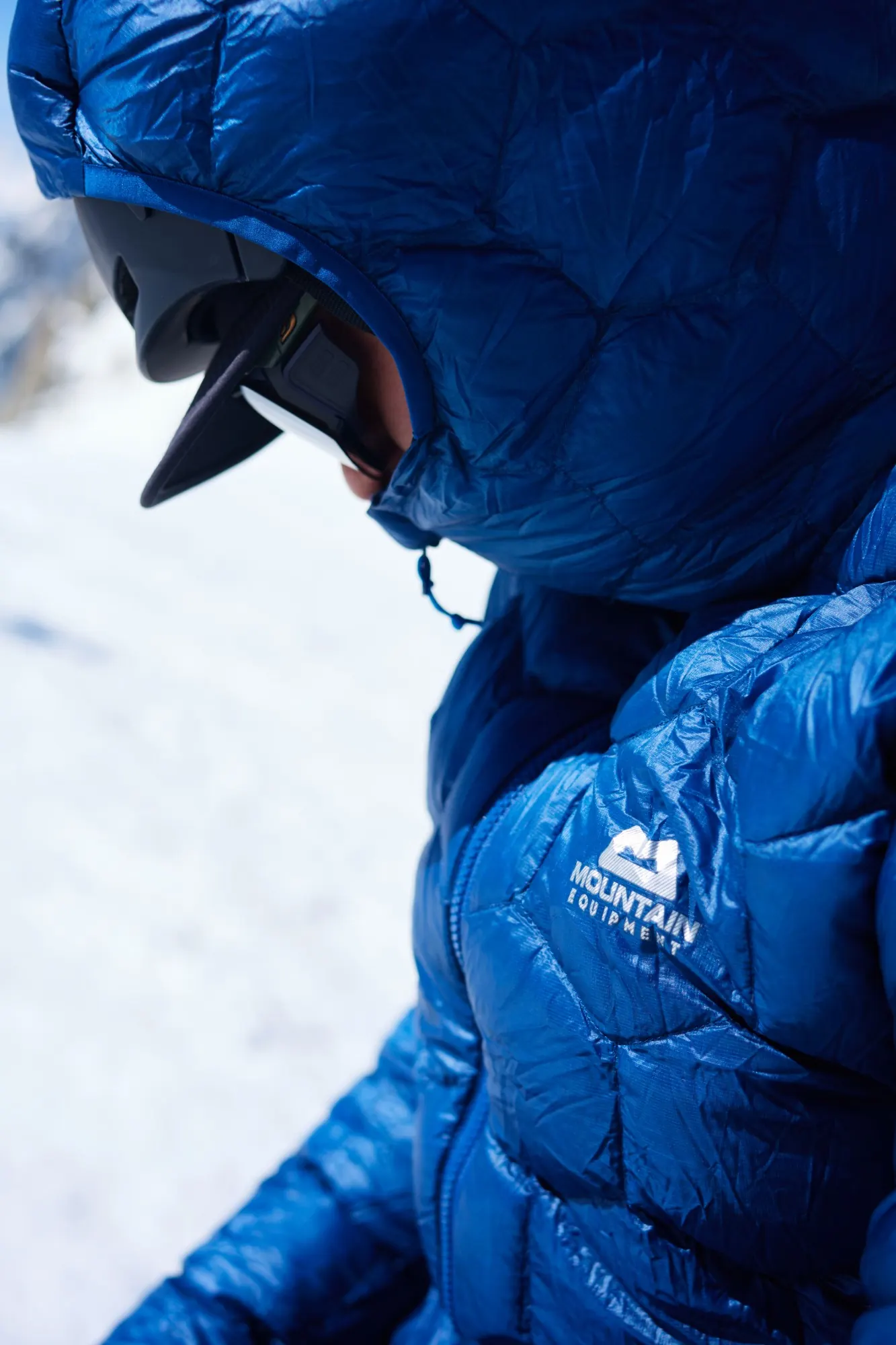
The Xenith is filled with goose down: 120 g in the men's jacket and 100 g in the women's. The down has a water-repellent treatment and a fill power of at least 800. According to the manufacturer, it is certified to the Responsible Down Standard (RDS) and DOWN CODEX®.
The outer and inner fabric is called HELIUM 10D. The number refers to the yarn thickness in denier, and 10D is very fine. The fabric is windproof and packs down small. According to the manufacturer, the water-repellent finish is PFAS-free.
The hood is insulated and fits over a helmet. The jacket packs into its own stuff sack, which is also hexagonal. Mountain Equipment designed the Xenith for alpine tours, ski mountaineering and multi-day treks: for freezing early starts, fast summit pushes and long distances.
The Xenith is available as a men's model and a women's model. The women's version weighs 280 g (size 12).
Jokla, Lightline and K7: the alternatives from Mountain Equipment
The Xenith isn't enough for everyone for a whole winter in the mountains. If you stand around for long periods in sub-zero temperatures or head out on an expedition, you need more down, and that adds weight.
Four Mountain Equipment down jackets compared
| XenithNew | Jokla | Lightline | K7 | |
|---|---|---|---|---|
Weight (men's, size L) | 320 g | 540 g | 740 g | 870 g |
Down fill (men's) | 120 g goose | 200 g goose | 296 g duck | 300 g goose |
Use according to the manufacturer | Alpine tours, ski mountaineering, trekking | Mountaineering, ski touring, alpine tours | Mountaineering, everyday | Alpine tours, expeditions |
RRP | €319.90 | €399.90 | €359.90 | €749.90 |
Jokla: more reserve for cold ski tours
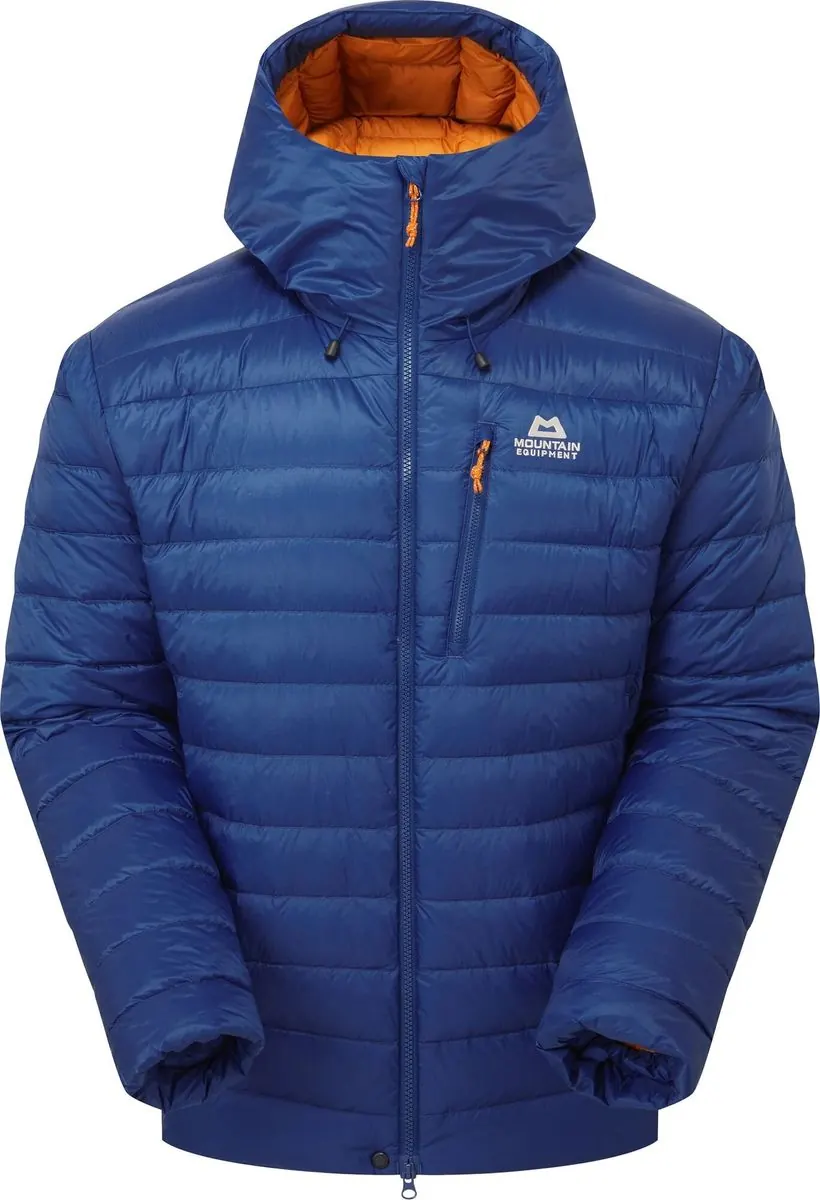
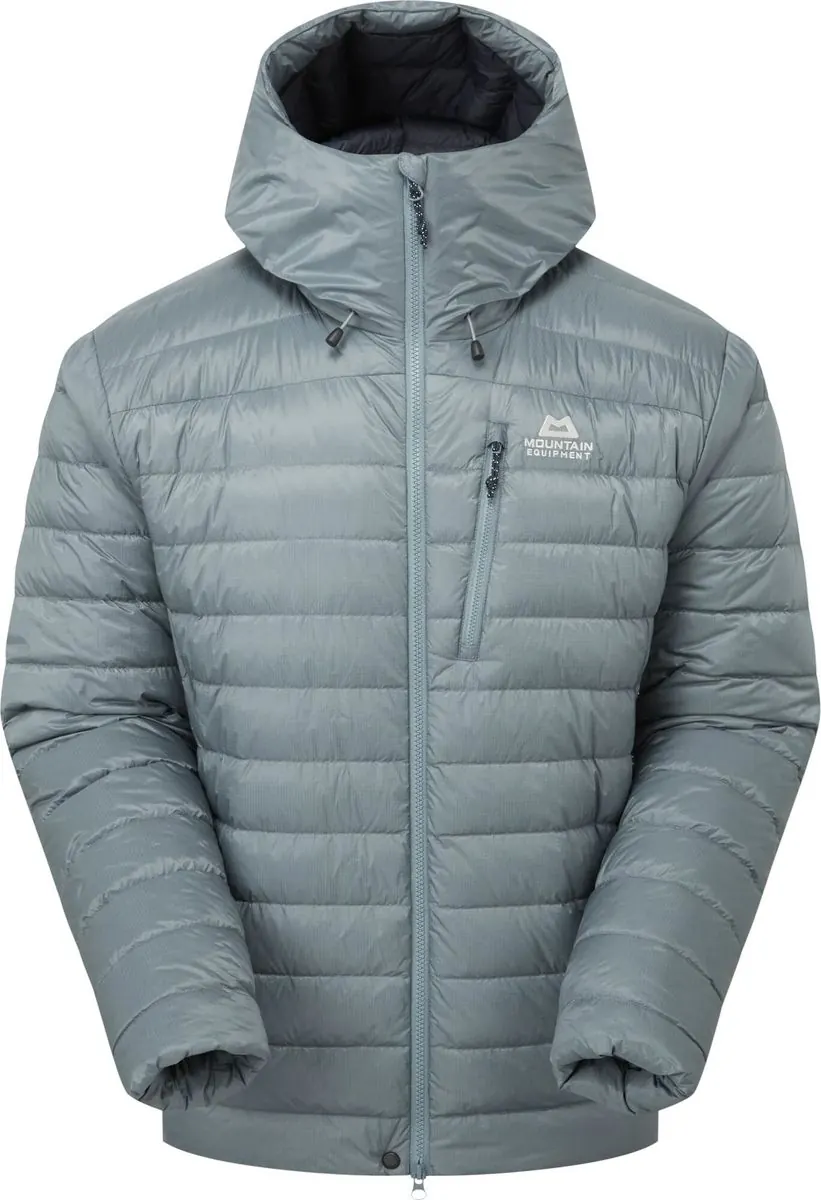
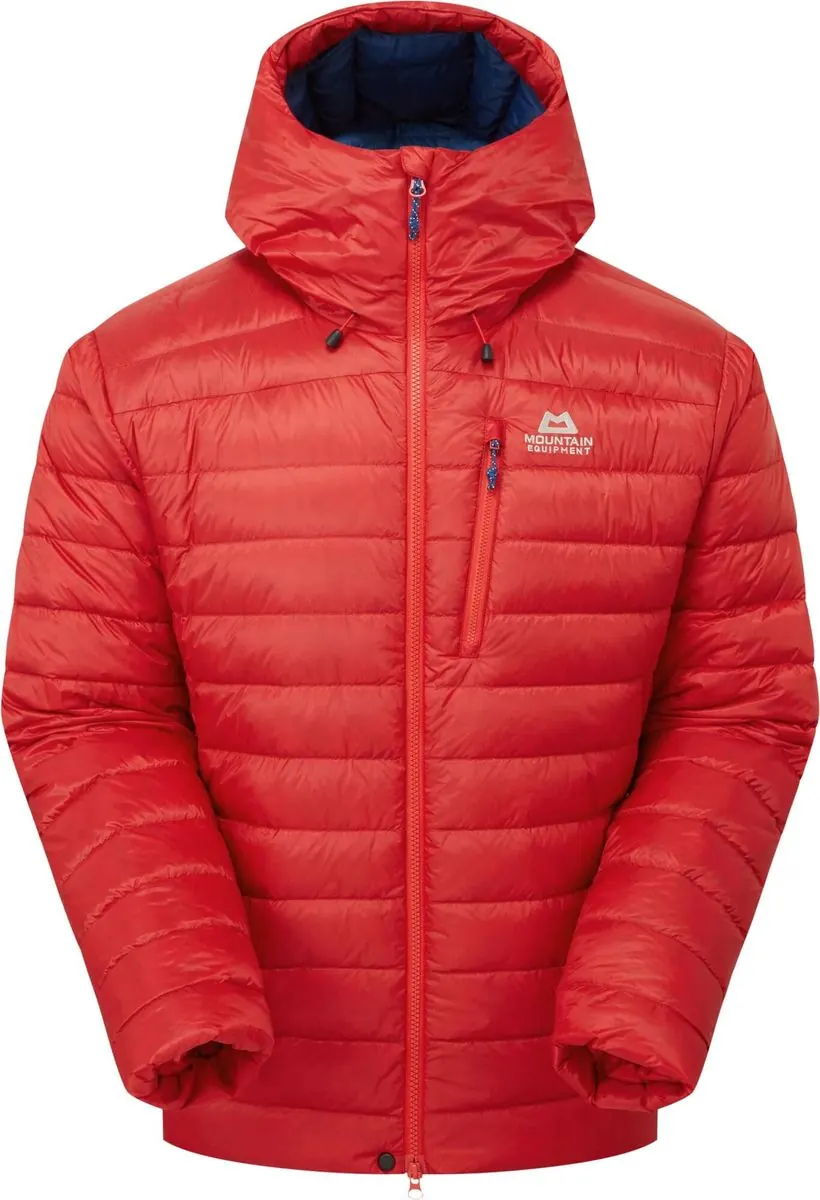
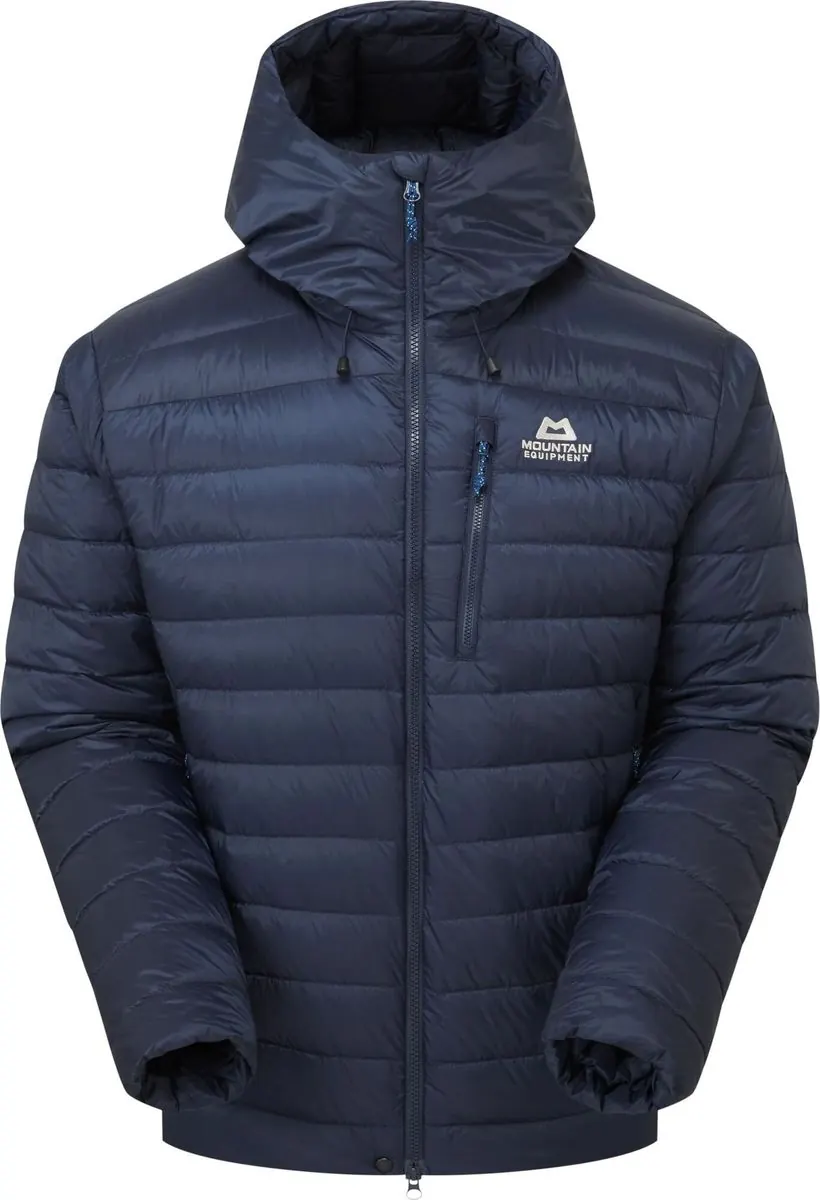
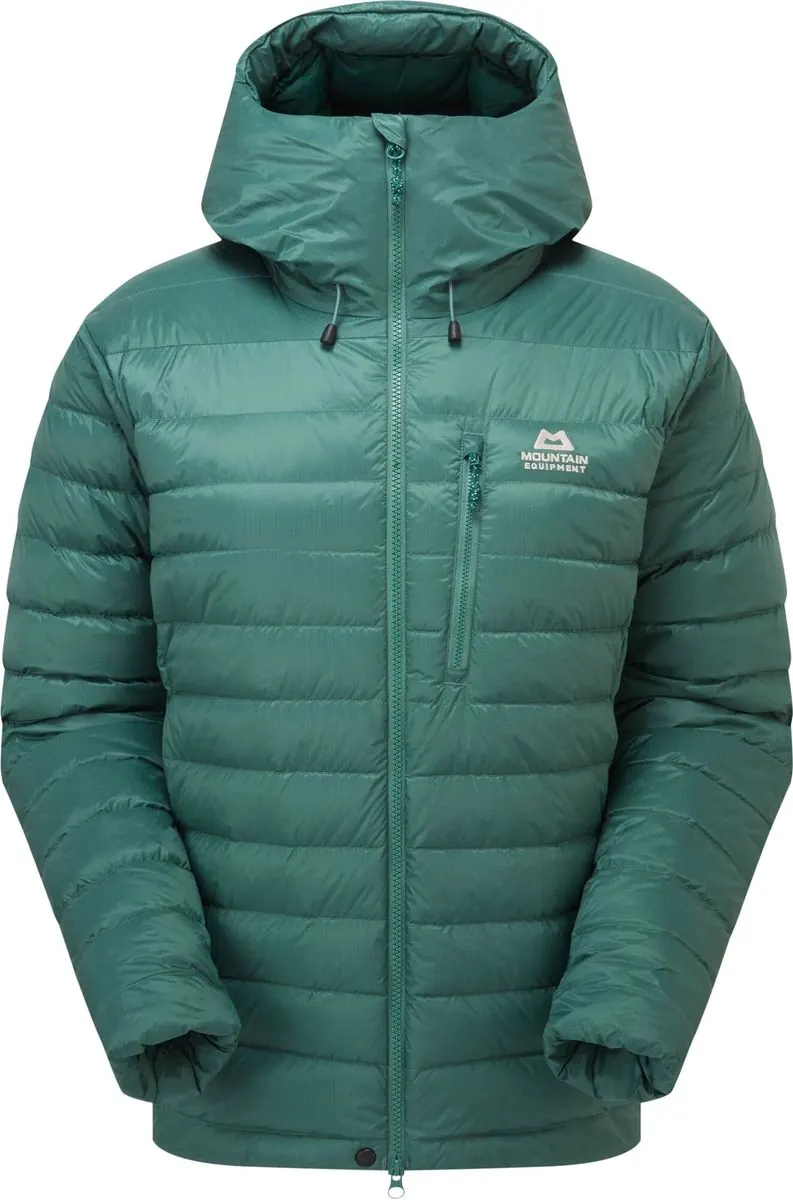
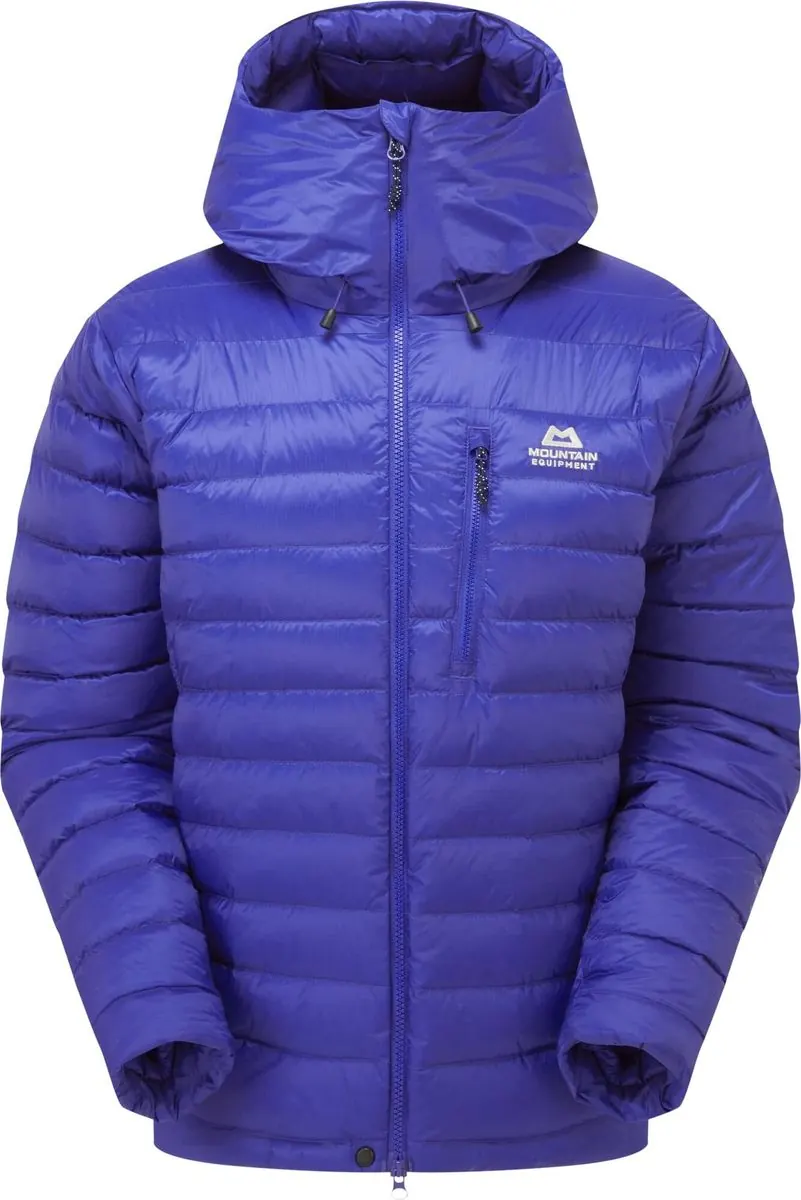
The Jokla is the next step up: 200 g of goose down in two layers of baffles whose seams don't line up. At 540 g, it weighs a good one and a half times as much as the Xenith. In return, you have more in reserve on long, cold days.
 Men
 Men
 Men
 Men
 Women
 Women
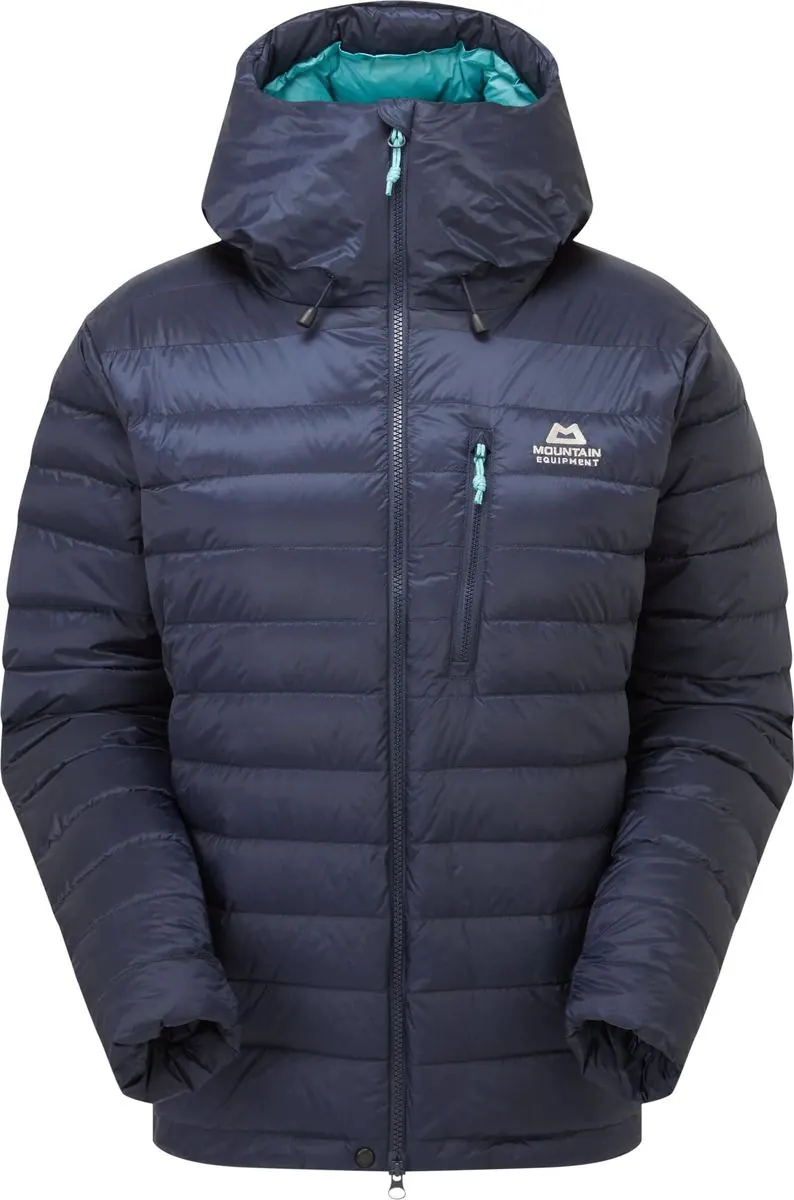 Women
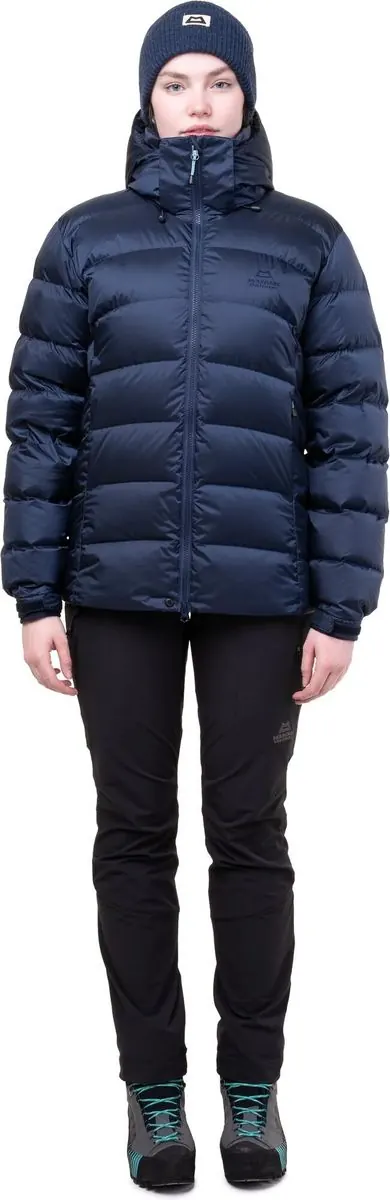
Lightline: for everyday wear and base camp
The Lightline is the classic in the range, filled with duck down. At 40 denier, its outer fabric has four times the yarn thickness of the Xenith. A good choice if you also wear the jacket at the hut and in everyday life.
The Lightline at SportFits
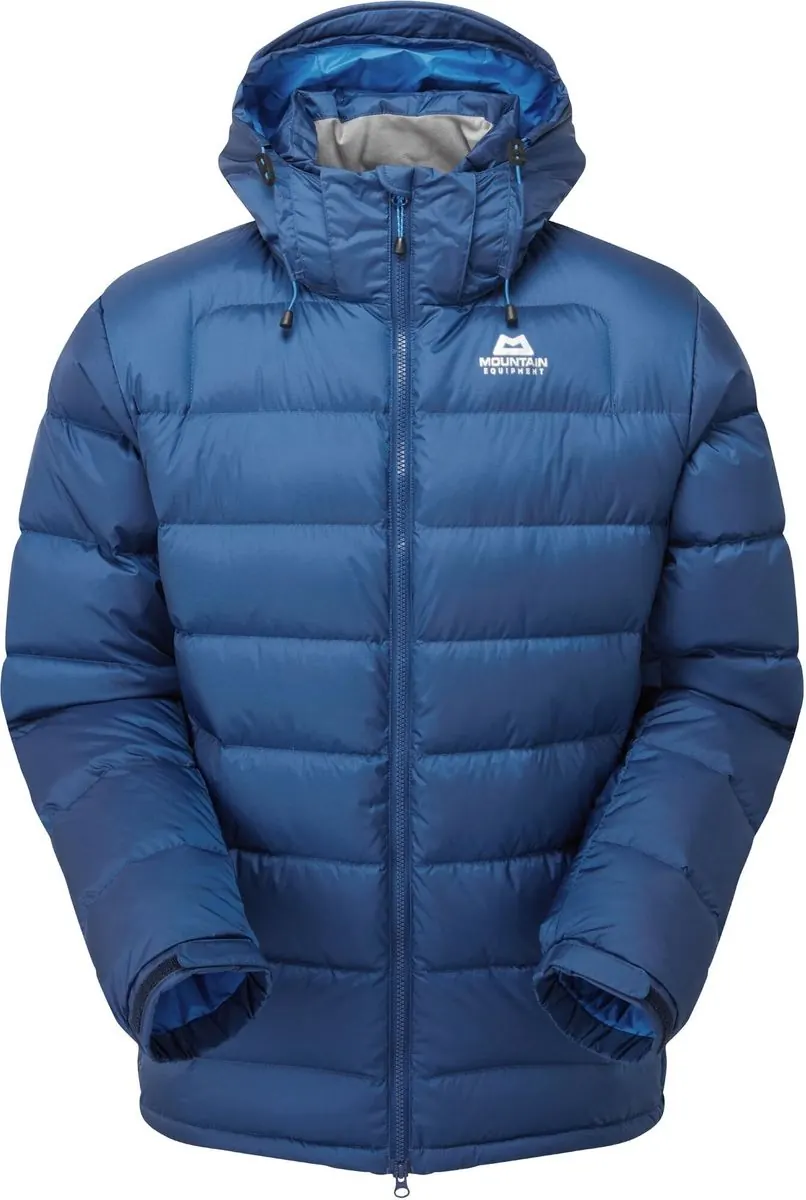 MenLightline Admiral BlueView Lightline for men →
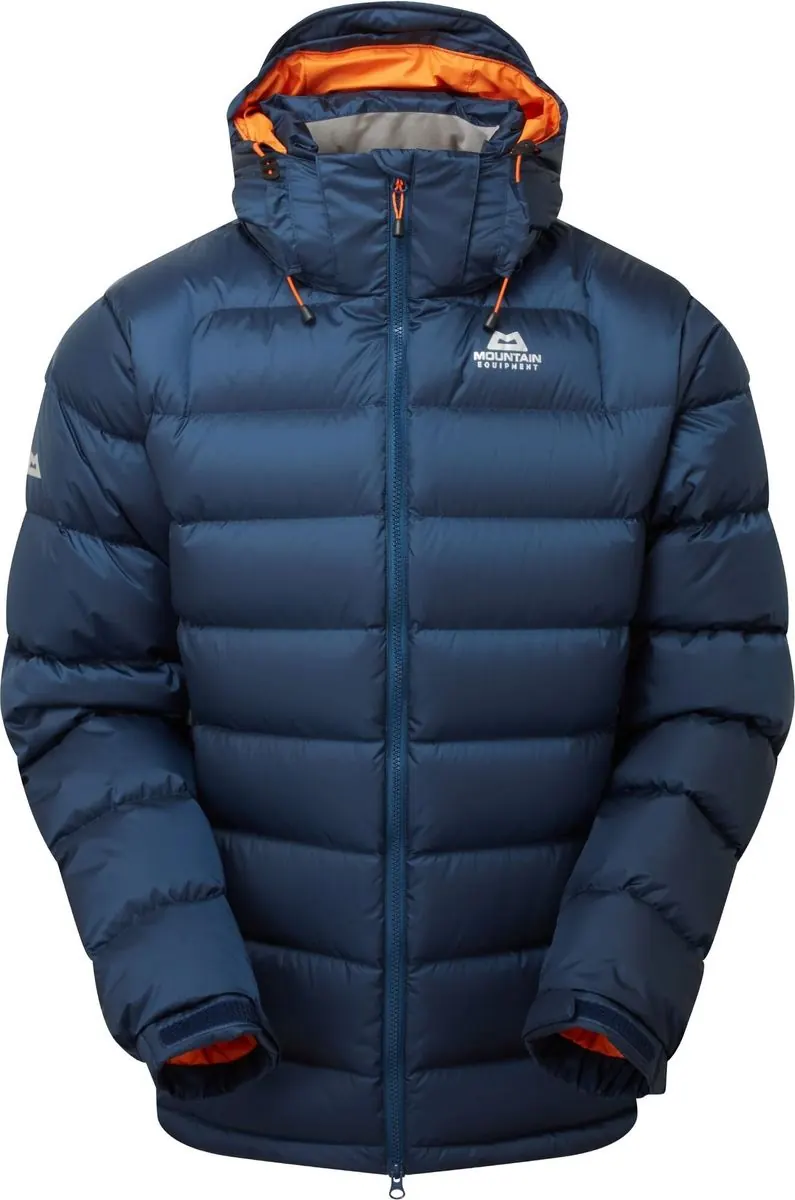 MenLightline NavyView Lightline for men →
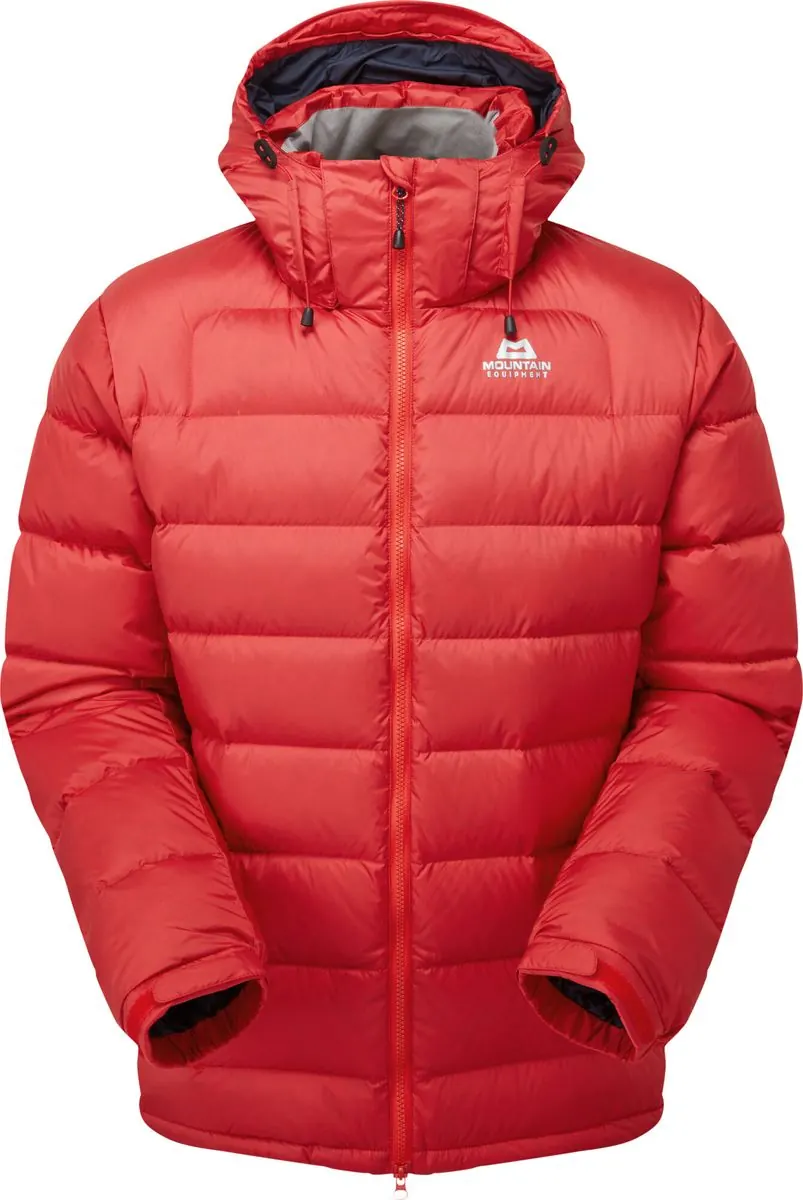 MenLightline Chili RedView Lightline for men →
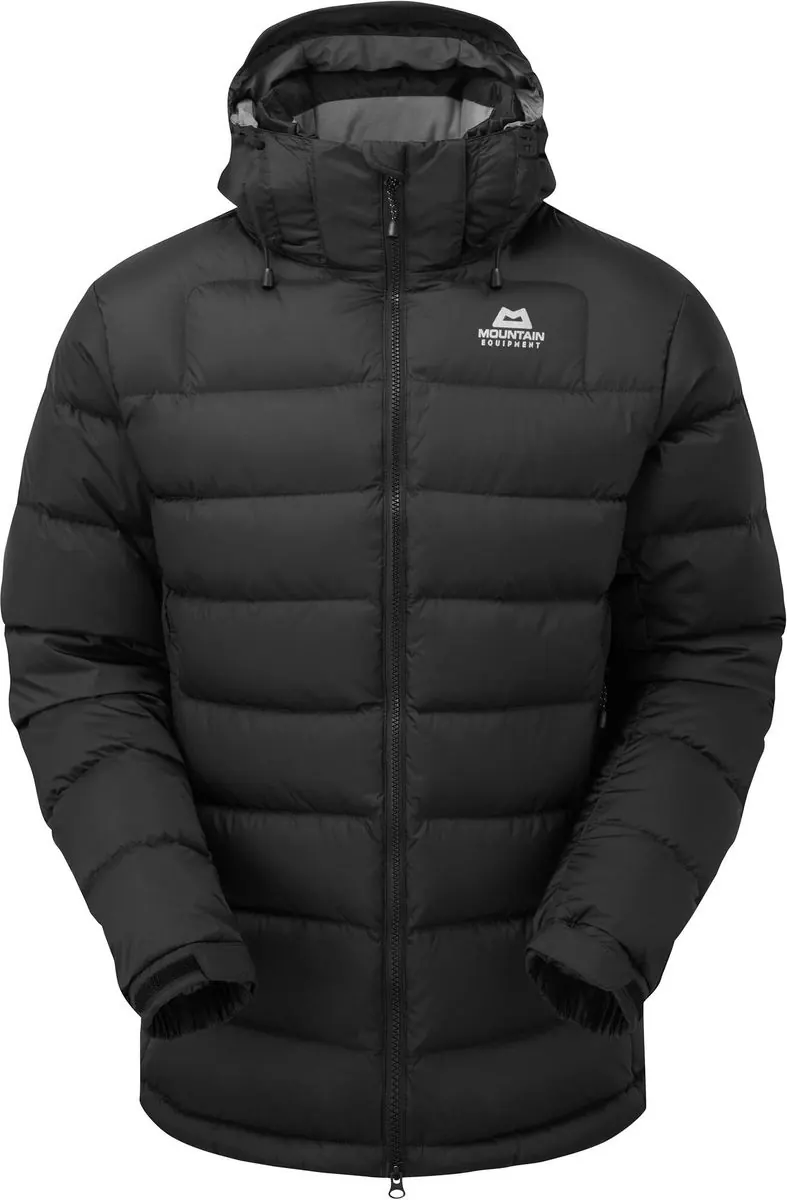 MenLightline BlackView Lightline for men →
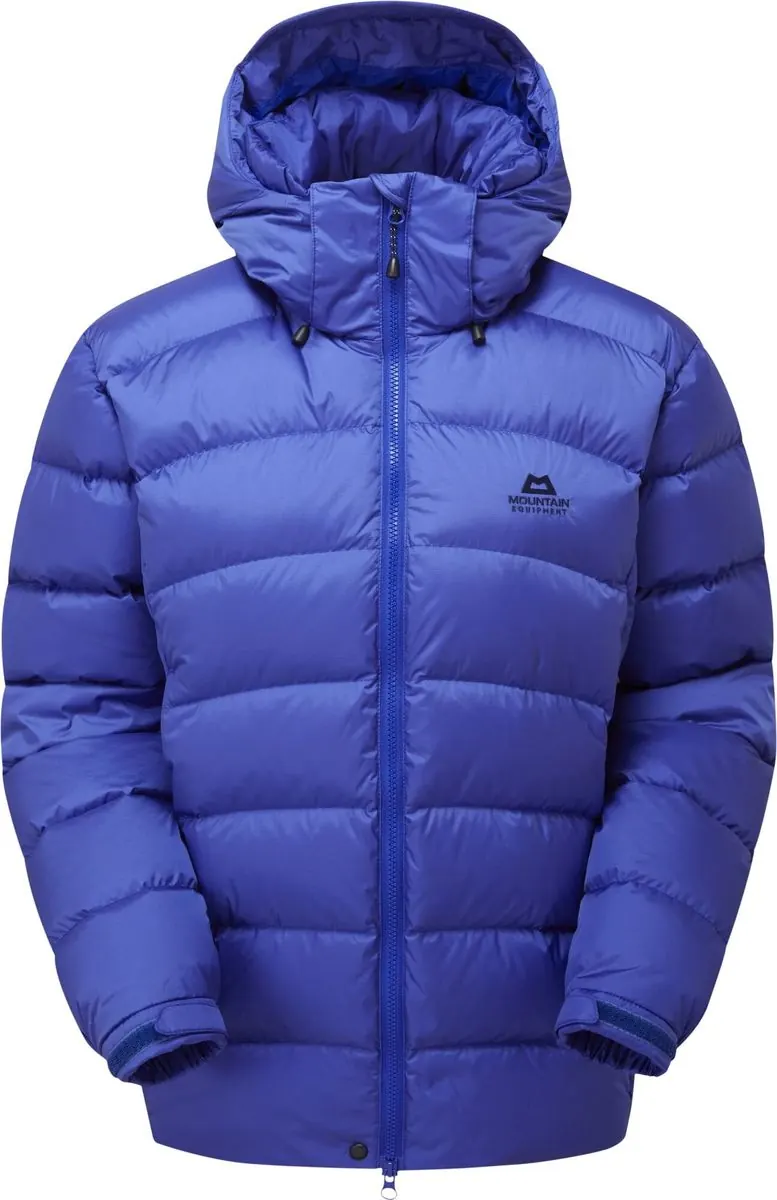 WomenLightline ClematisView Lightline for women →
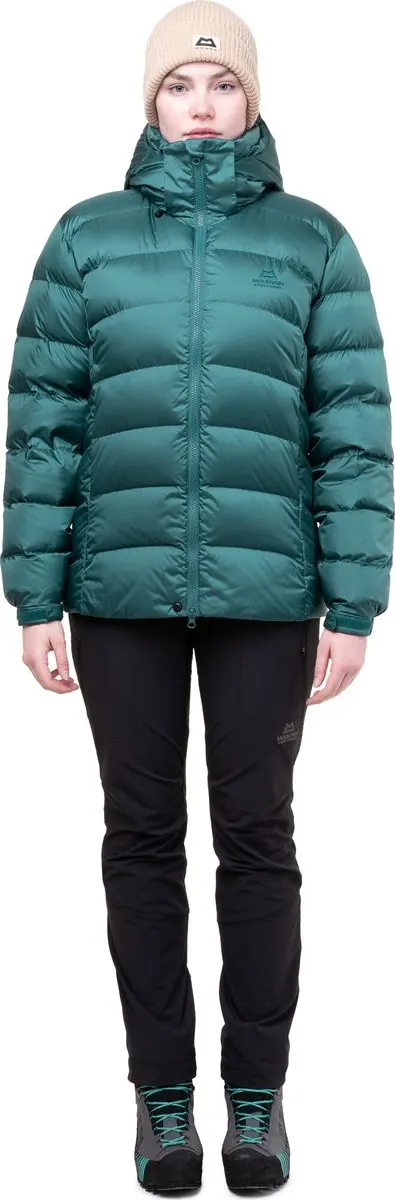 WomenLightline Deep TealView Lightline for women →
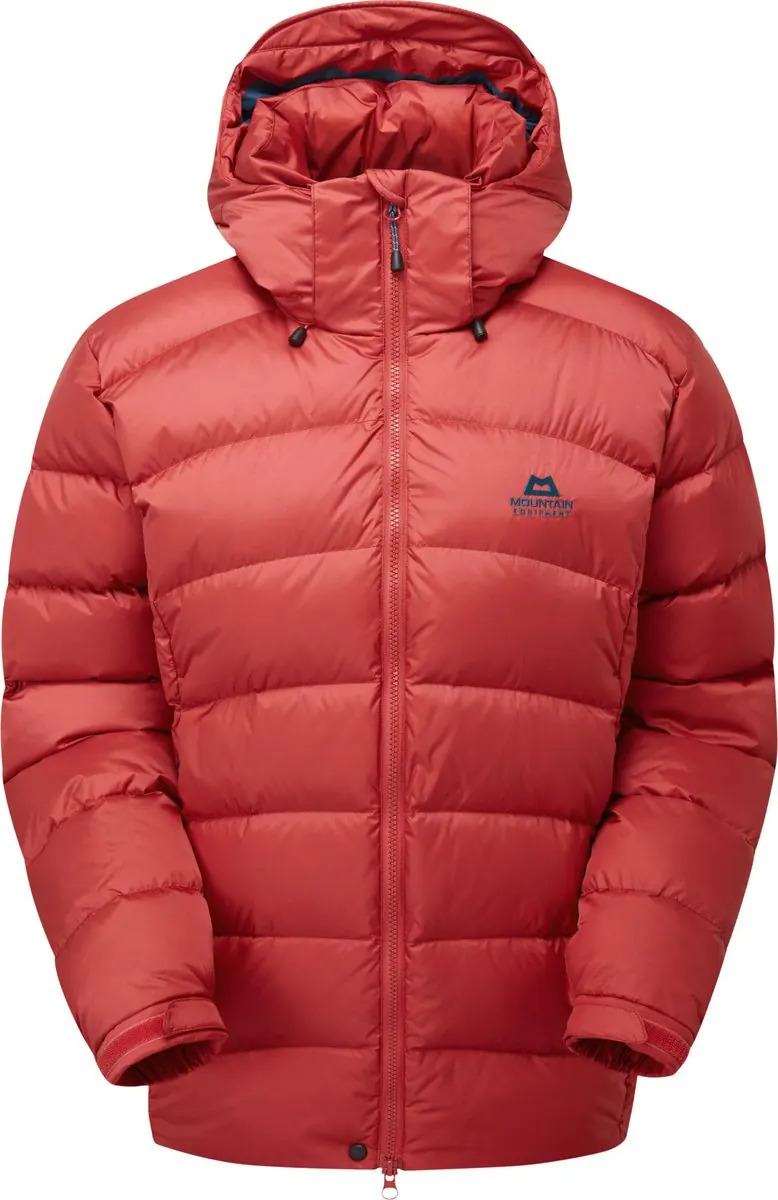 WomenLightline RosewoodView Lightline for women →
 WomenLightline CosmosView Lightline for women →
K7: for alpine tours and expeditions
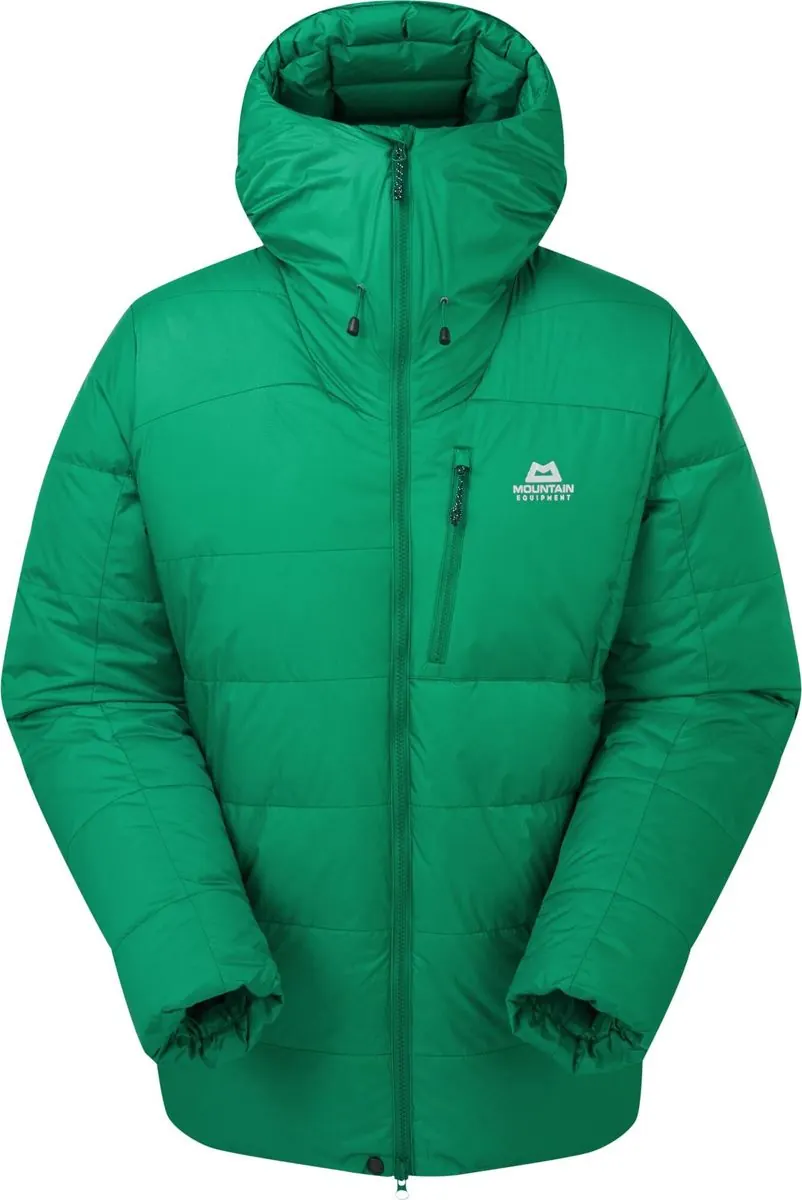
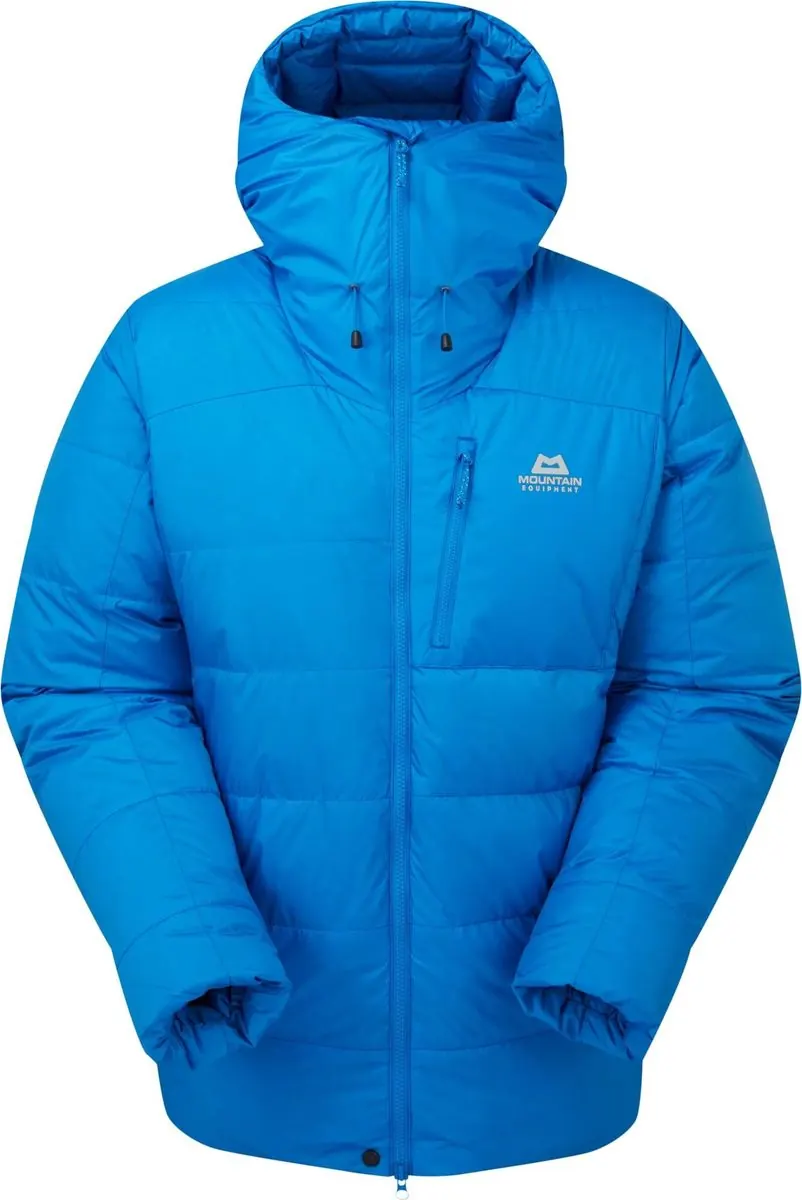
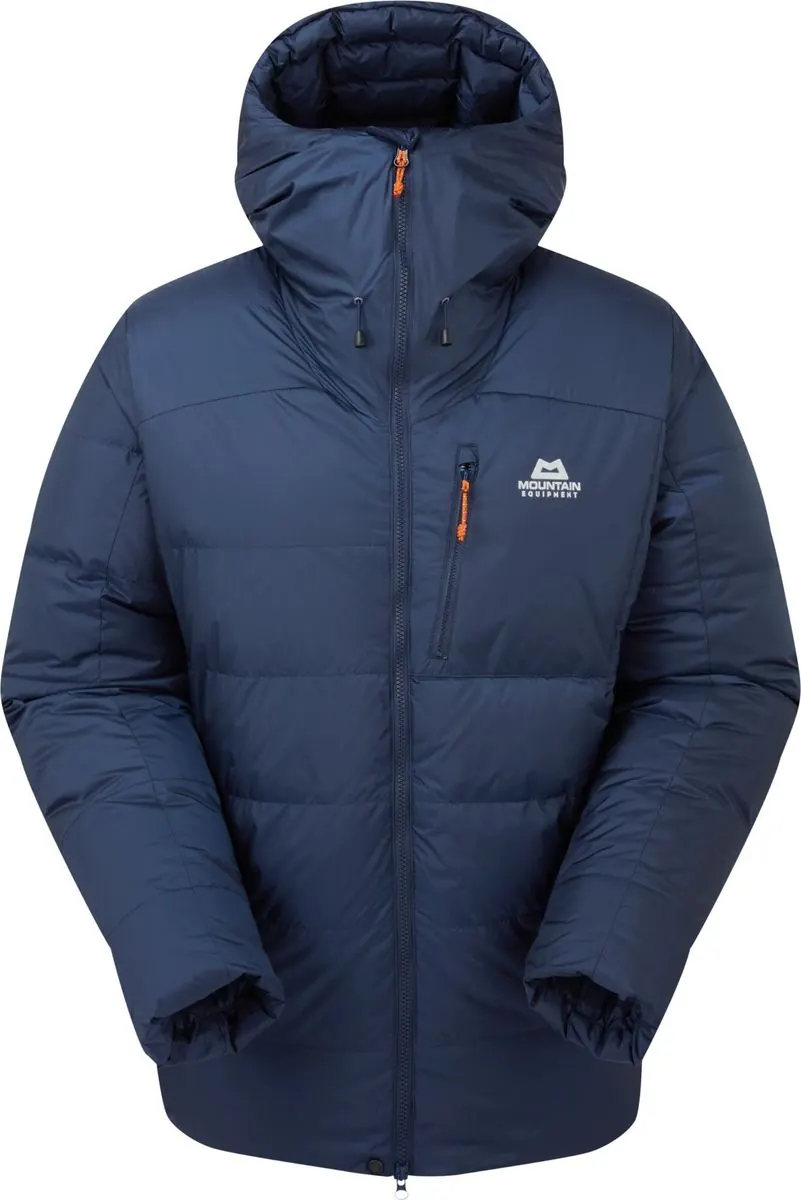
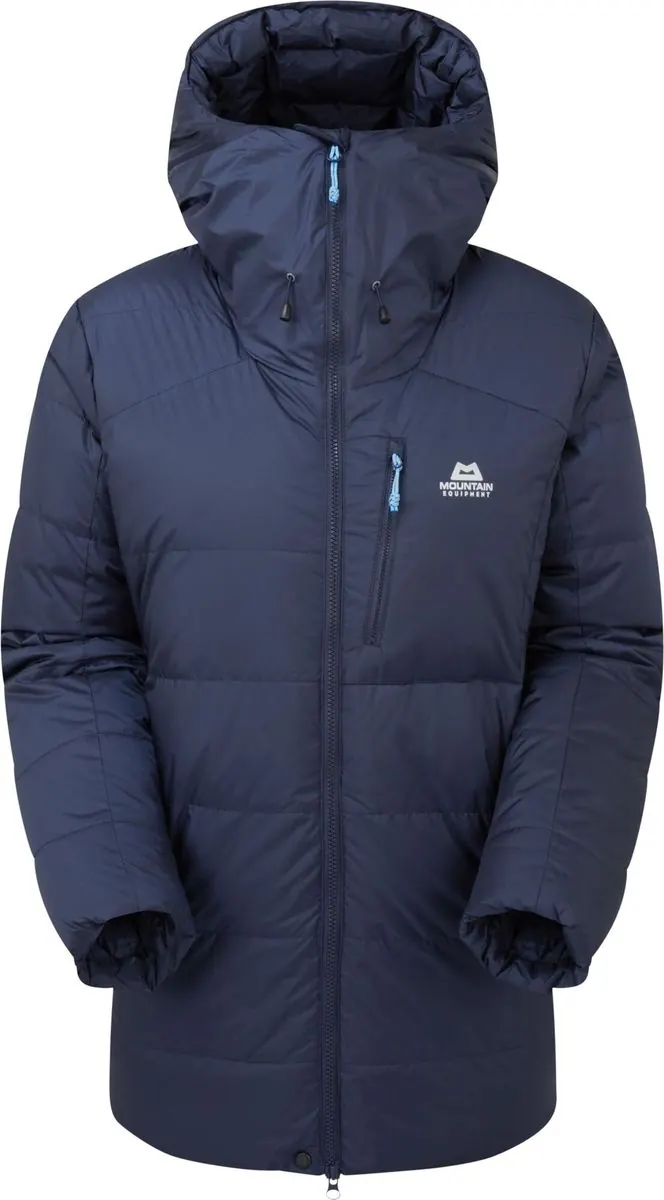
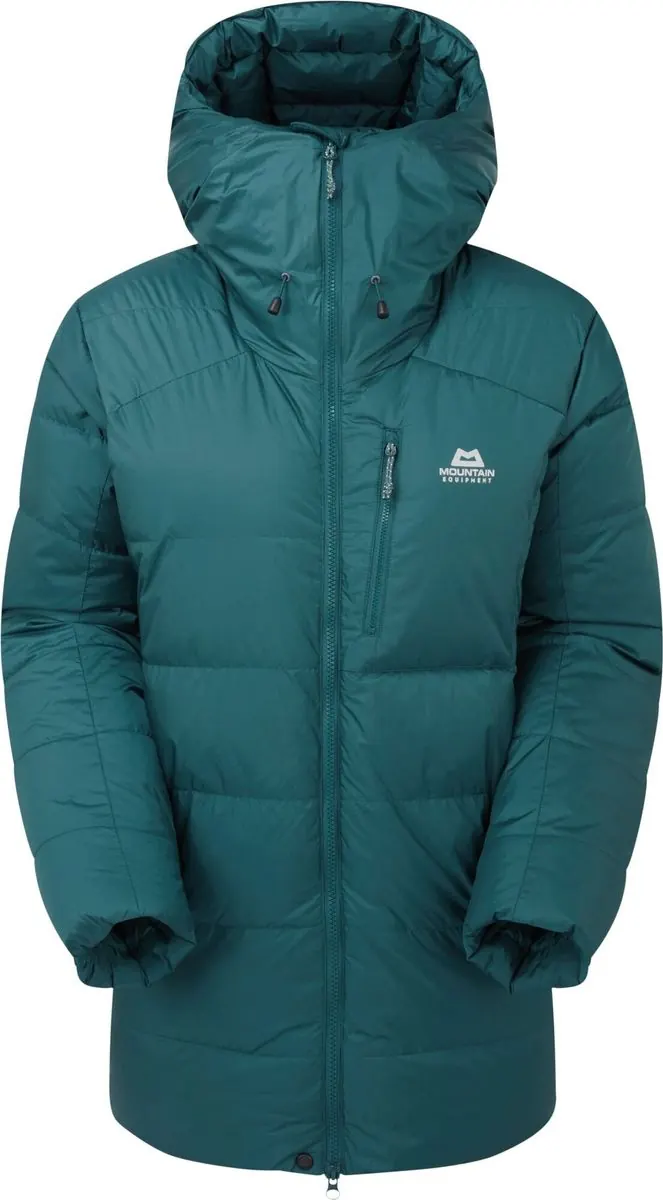
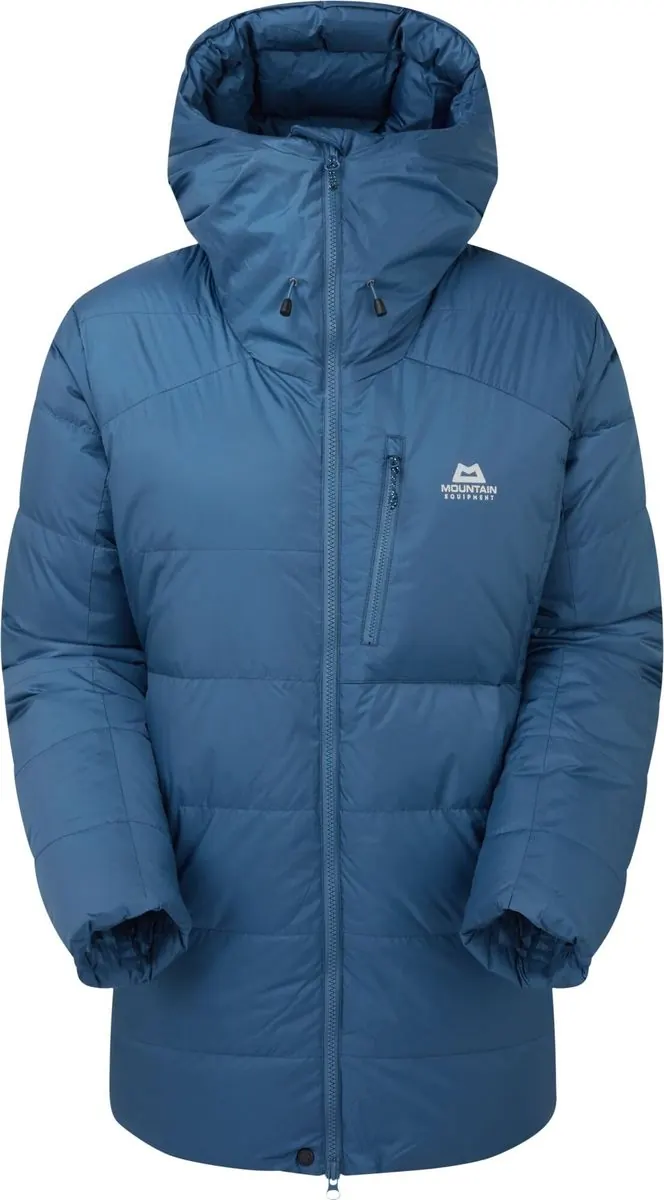
The K7 is the warmest of the four: 300 g of goose down in box-wall baffles, where fabric walls keep the down at full height even at the seams. Made for high mountains and long periods standing still. For a normal ski tour, it's more jacket than you need.
 Men
 Men
 Men
 Women
 Women
 Women
Which Mountain Equipment down jacket is right for you?
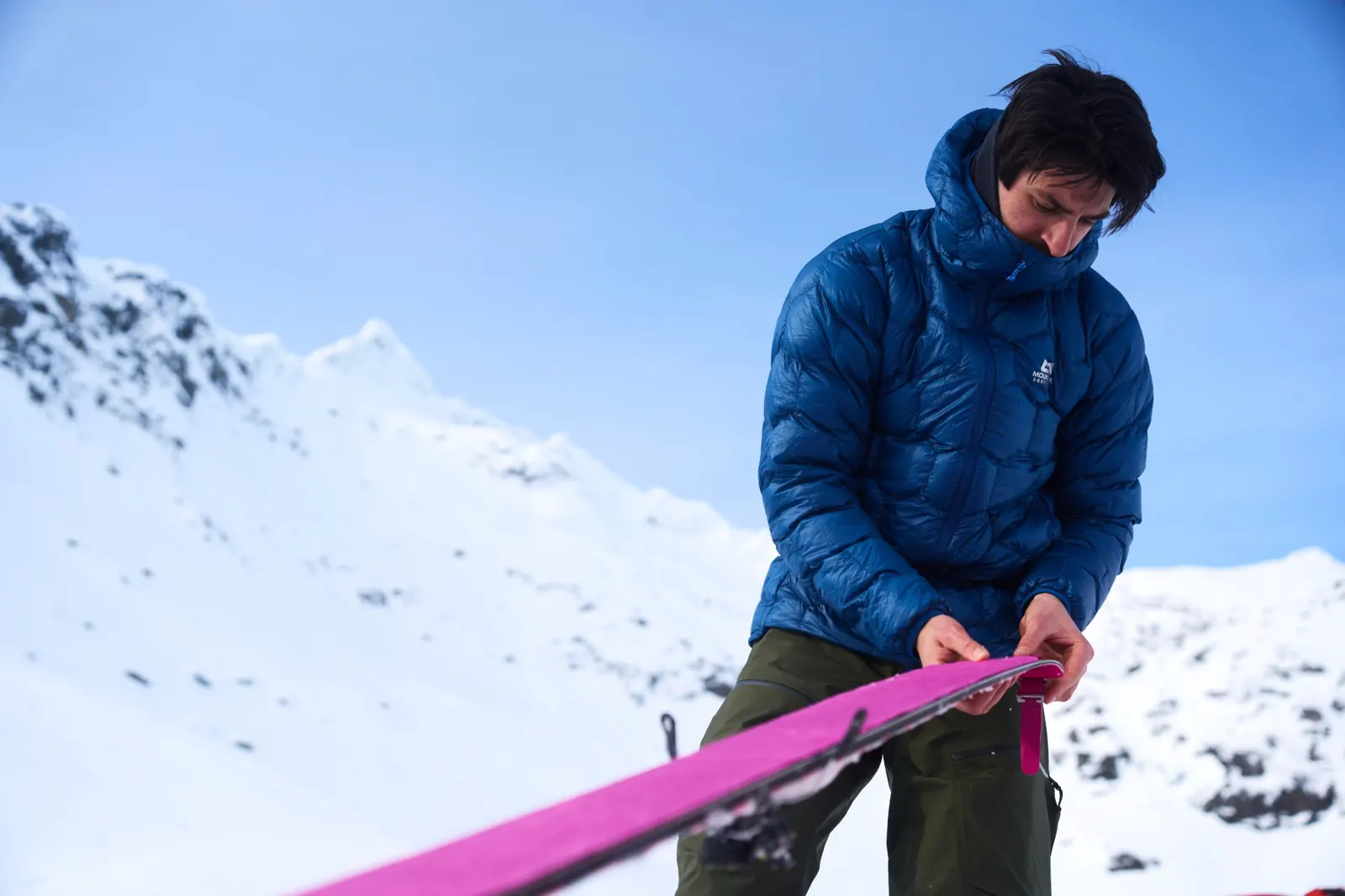
The Xenith is built for tours where you want to travel as light as possible and still have a real warmth boost with you.
Who is the Xenith for?
- 1
If you're looking for a warm layer for breaks and the descent on ski tours
the Xenith is the right choice.
- 2
If you want to save weight on multi-day tours
the Xenith is the lightest of the four.
- 3
If you stand around for long periods in severe frost or go to high altitude
go for the Jokla or K7.
- 4
If you spend a lot of time on sharp rock
wear a hardshell over it, as the 10D fabric tears more easily.
Outdoor jackets from Mountain Equipment
Xenith, Jokla, Lightline and more: the current Mountain Equipment range at SportFits.
View all Mountain Equipment jackets ↗Frequently asked questions
How much does the Mountain Equipment Xenith Jacket weigh?
According to the manufacturer, the men's jacket weighs 320 g in size L and the women's jacket 280 g in size 12.
Is the Xenith waterproof?
No. The HELIUM outer fabric is windproof and water-repellent, and the down has a water-repellent treatment. That helps with snow and brief drizzle, but it doesn't replace a hardshell.
What are the benefits of hexagonal down baffles?
According to Mountain Equipment, they spread the down more evenly, keep it in place and reduce cold spots at the seams. The insulation should also dry faster after getting damp.
Does the Xenith's hood fit over a helmet?
Yes, according to the manufacturer, the insulated hood is helmet-compatible.
Xenith or Jokla for ski touring?
The Xenith if you mainly want to travel light and only wear the jacket during breaks. The Jokla if you stand around for longer on cold days and want more warmth in reserve.

SportFits editorial team
Verena
Digital Marketing Managerin bei SportFitsInspiration, knowledge and gear for people who want more from the outdoors.