Buying Guides
For every turn: Three Rossignol Hero jackets for every winter condition
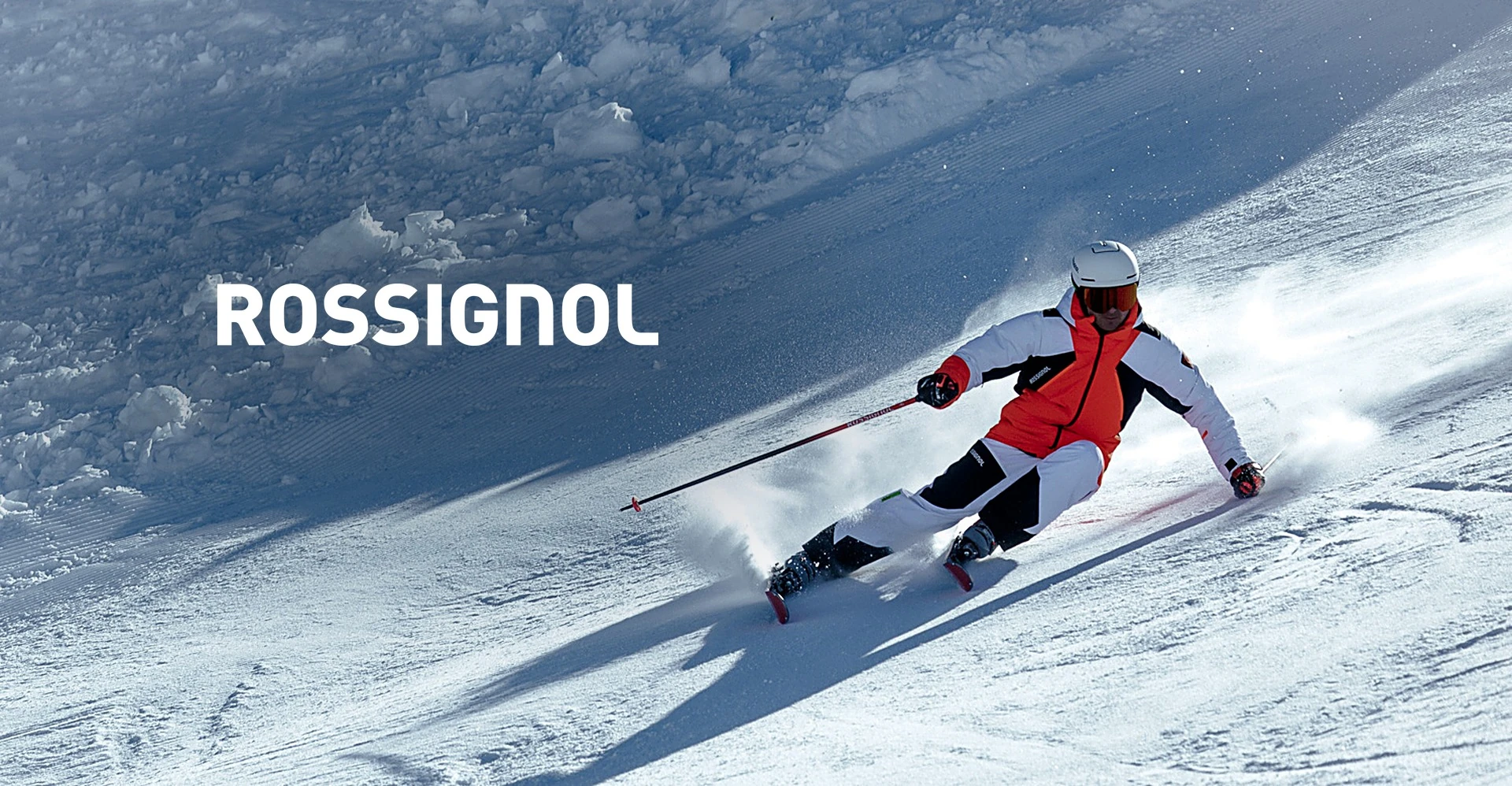
Glacier morning, January piste day or firn in March. The three Rossignol Hero jackets are designed for different temperatures. We show you which one suits your ski day.
The essentials at a glance
- 01
The Hero 4WS Puffy Jacket is the warmest of the three, with 240 grams of insulation, and is made for glaciers and icy winds.
- 02
With 100 grams of insulation, the Hero Insulated Ski Jacket is the all-rounder for winter pistes from December to February.
- 03
The Hero Evader 2.0 3L Shell Jacket has no insulation. Worn with layers underneath, it suits spring, freeride and ski touring.
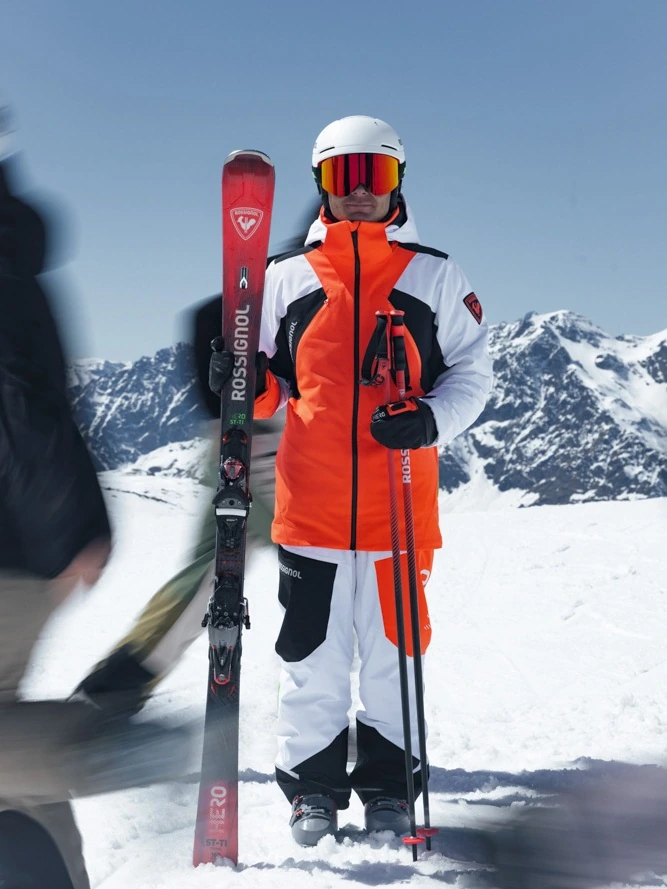
On the glacier, you stand in the shade in the morning, the wind whistles over the ridge and the lift support is covered in hoarfrost. In March, you ski at the same altitude on firn and open your jacket after the second run.
That is why there is no single jacket for everything. How warm it needs to be depends on the temperature, the wind and how much you move. You cool down on the chairlift, but sweat when climbing with skins.
For this range, Rossignol has made three jackets in its Hero racing line. They carry the look of World Cup skis with the Hero logo. The line comes from racing: Rossignol equips athletes through to the Olympic Games. The brand sums up its approach in three words: “For every turn”, for every turn. The three models differ above all in their insulation, meaning the warming filling between the outer fabric and the lining.
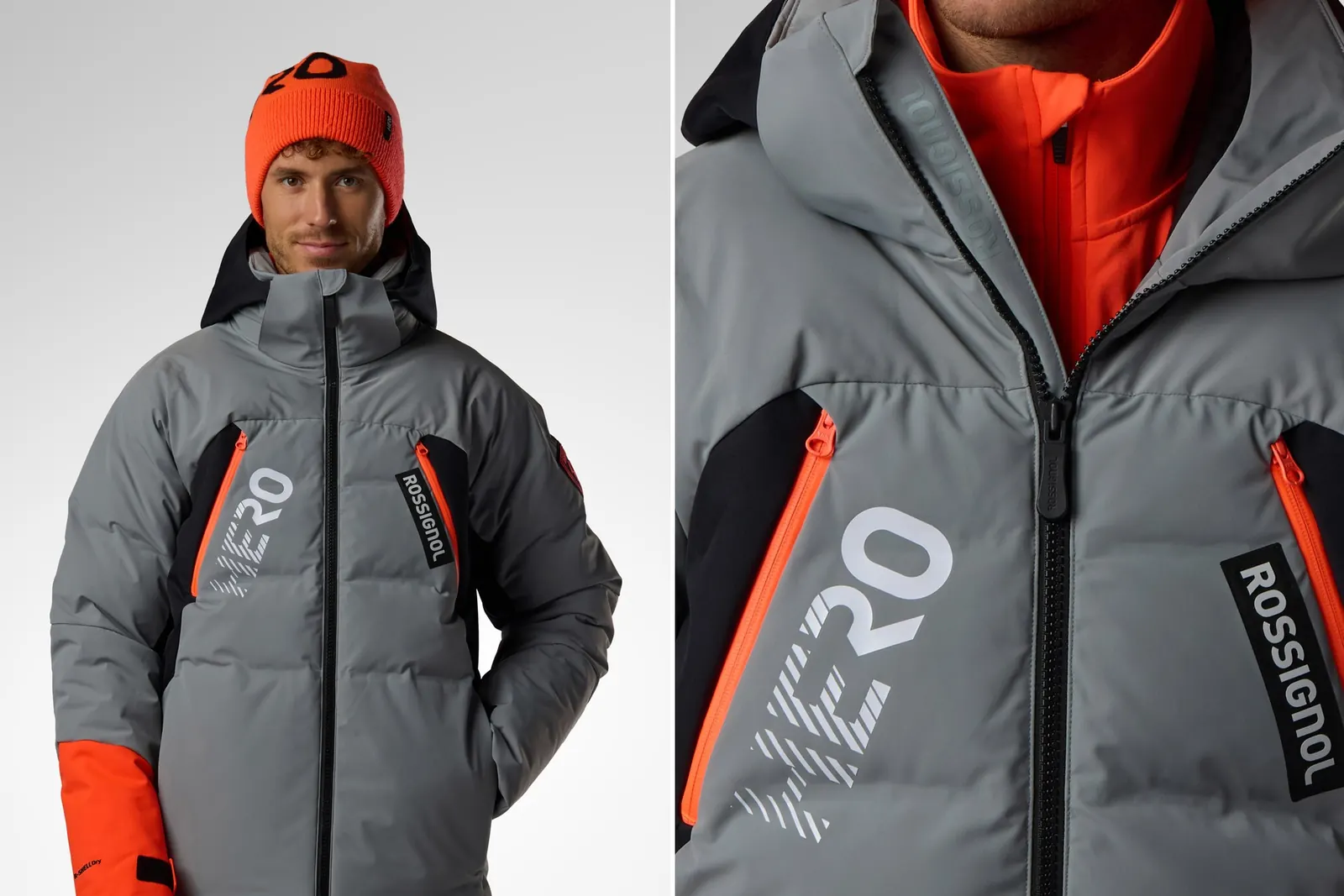
The Rossignol Hero 4WS Puffy Jacket is the warmest jacket in the collection. It is quilted like a down jacket, but the chambers contain PrimaLoft Thermo Plume, a synthetic fibre in loose flakes. According to Rossignol, there are 240 grams, more than twice as much as in the Insulated. Synthetic fibre continues to keep you warm even when it gets slightly damp.
The outer fabric with four-way stretch gives in length and width. Nothing pulls when you draw your poles back or bend down to adjust your binding. Thumb loops on the sleeves keep the cuffs over your gloves, while the hood fits over a helmet and can be removed.
Its territory is the coldest days: glaciers in early winter, the first runs on a January morning, and wind above 3,000 metres. The wind often matters more than the thermometer. At minus eight degrees on a windy ridge, you freeze faster than at minus fifteen degrees in a windless valley. That is why a base layer against the skin is usually enough under the Puffy.
It is less suited to mild days and anything that makes you sweat. The underarm zips help when the sun comes out, but they are no substitute for a lighter jacket.
The look with the Hero 4WS Puffy
Jacket and matching ski trousers
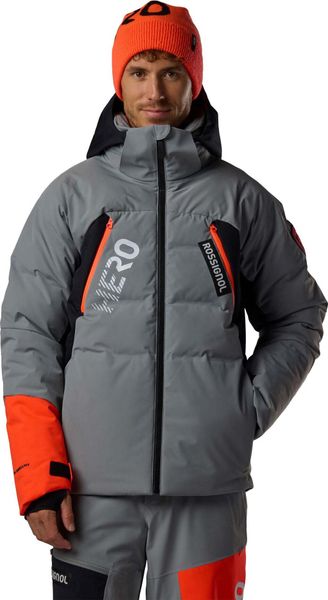 RossignolMittens Hero 4WS Puffy JacketView product →
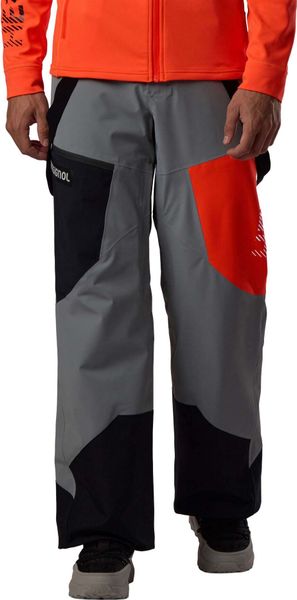 RossignolMittens Hero 4WS Insulated Ski PantView product →
Prices from the shop, checked when this page loaded. The price shown in the shop applies.
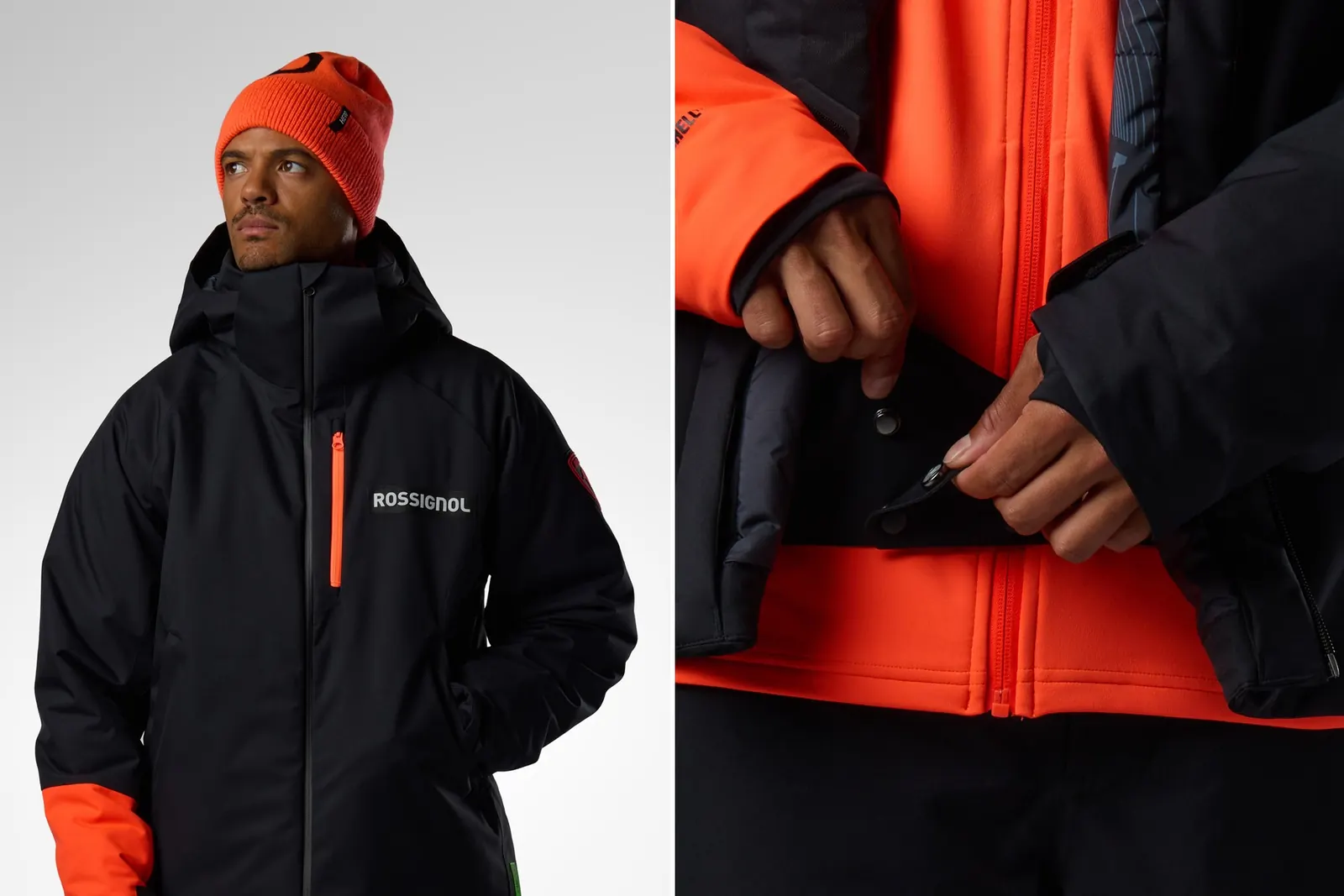
The Rossignol Hero Insulated Ski Jacket is the all-rounder of the three. According to Rossignol, its PrimaLoft Black Eco insulation weighs 100 grams. That is enough for cold lift rides without making you too warm on the descent. The outer fabric with mechanical stretch stretches through its weave, without any elastane. It gives slightly less than the Puffy, but there is plenty of movement for turns.
The jacket has a slightly longer cut and covers your back on the chairlift. All seams are taped. The hood can be removed: on sunny days you can ski without it, while in snowfall you can pull it over your helmet. The snow skirt, a fabric waistband, keeps powder snow out after a fall.
Inside, there is a ski pass pocket on the sleeve and an inner pocket with room for your ski goggles during a break.
This keeps you well dressed on most ski days between December and February, whether on the nursery slope or black runs. On very cold glacier days, the insulation alone is often not enough. A fleece underneath helps, or you can choose the Puffy. If you ski for one or two weeks a year, mostly in midwinter, the Insulated is the best choice.
The look with the Hero Insulated
Jacket and matching ski trousers
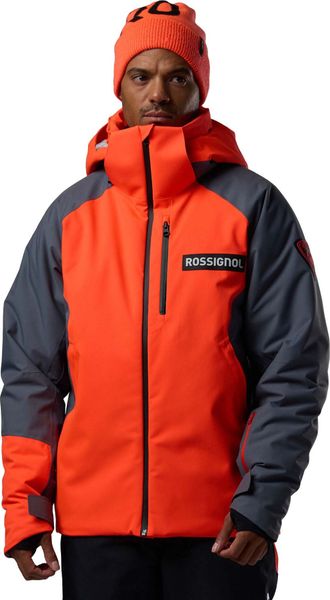 RossignolMittens Hero Insulated Ski JacketView product →
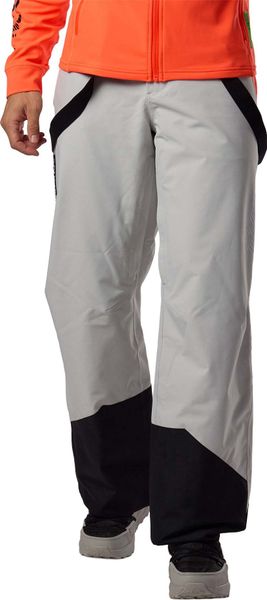 RossignolMittens Hero Insulated Ski PantView product →
Prices from the shop, checked when this page loaded. The price shown in the shop applies.
Rossignol at SportFits
Skis, jackets, trousers and gloves: Rossignol’s range in our shop.
View Rossignol ski clothing ↗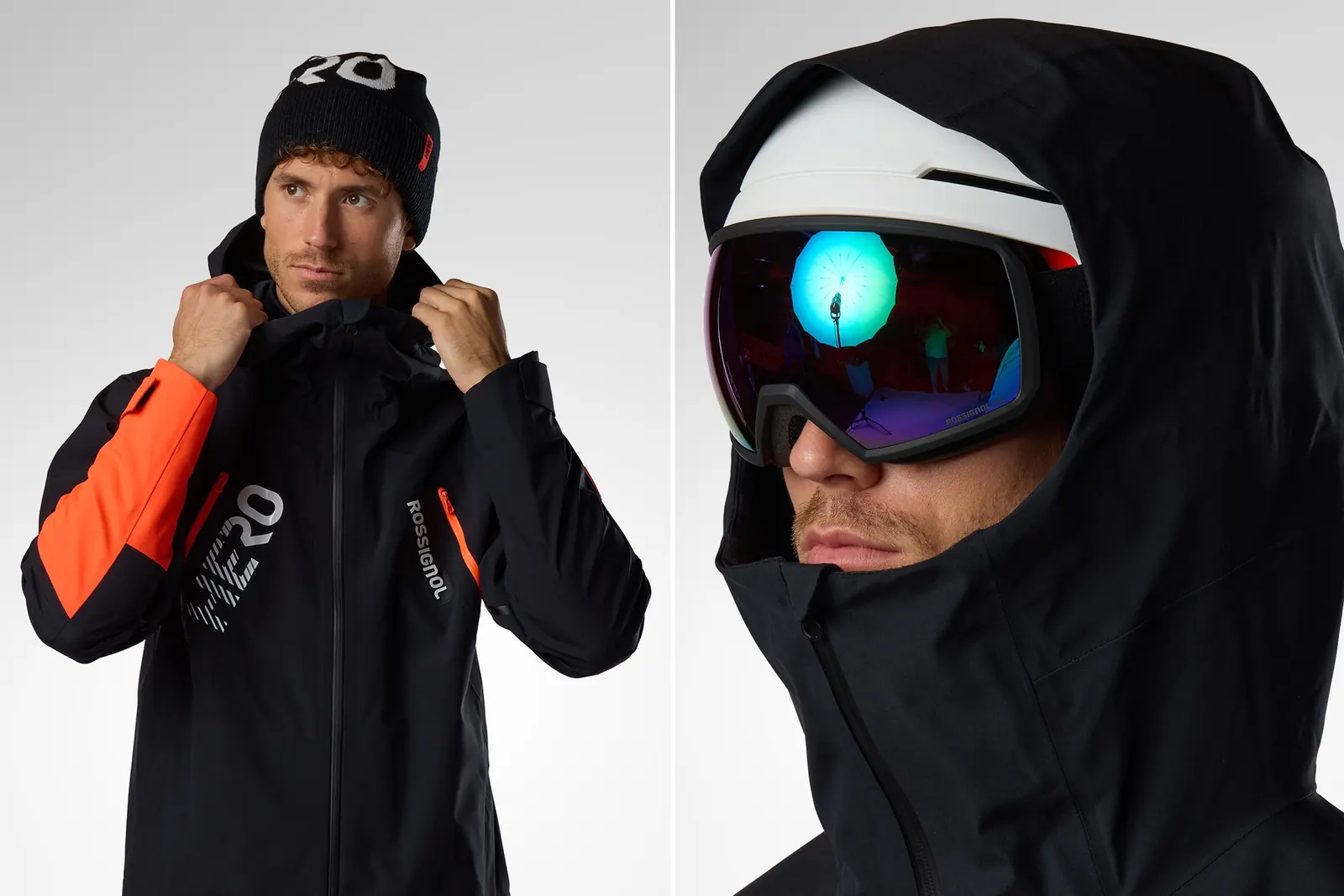
The Rossignol Hero Evader 2.0 3L Shell Jacket has no insulation. It is a pure protective layer, known as a shell. Its fabric consists of three firmly bonded layers: outer fabric, waterproof membrane and inner fabric. This 3L construction needs no additional lining. In the Puffy and Insulated, the lining and insulation protect the membrane from the inside; in the Evader, the third layer does this. That is why it does not feel thin despite having no insulation.
Its strength comes into play when you are moving a lot. You quickly get warm on a freeride descent in deep snow or while climbing with skins. The Evader allows heat to escape through the fabric and the zips under the arms. According to Rossignol, it works well with a backpack and packs down small. The sleeves are attached in a raglan cut, without a seam over the shoulder, so nothing pulls when using your poles.
It only keeps you warm with layers underneath: a base layer against the skin, a fleece or a light down jacket over it depending on the temperature, and the shell on top. In March, a base layer under the Evader is often enough. With a down jacket underneath, you can also wear it on cold midwinter days. For icy days on the glacier, the Puffy is still the better choice. This makes the Evader the most flexible of the three jackets. It does, however, require some planning before you set off in the morning.
The look with the Hero Evader
Shell and matching ski trousers
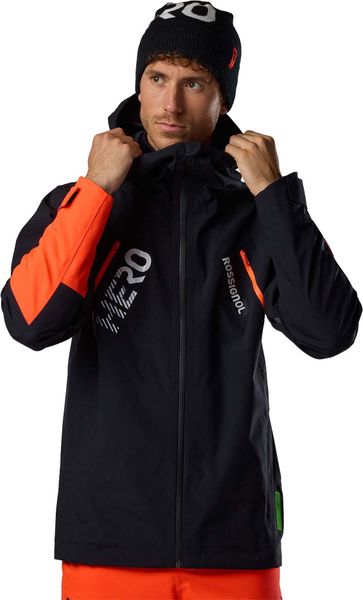 RossignolMittens Hero Evader 2.0 3L Shell JacketView product →
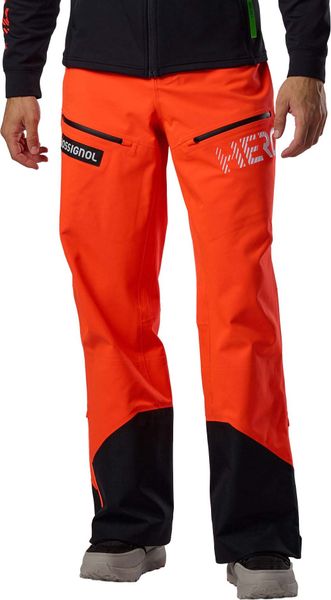 RossignolMittens Hero Evader 3L Shell PantView product →
Prices from the shop, checked when this page loaded. The price shown in the shop applies.
The layers under the Evader
Base layer and fleece from Rossignol
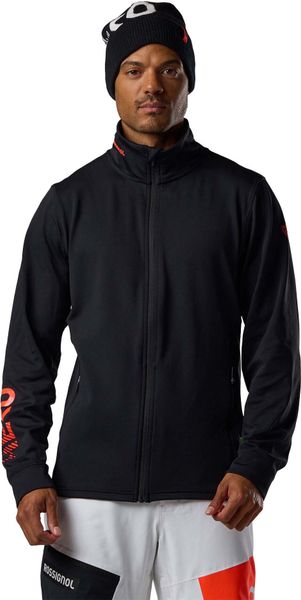 RossignolMittens Hero Stretch Fleece JacketView product →
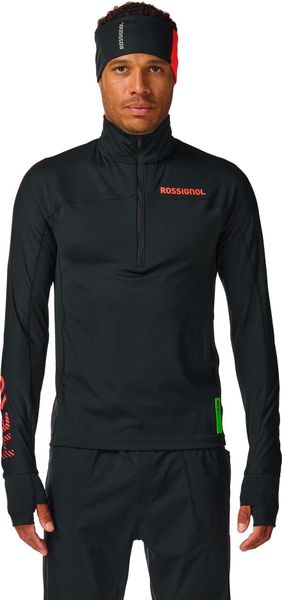 RossignolMittens Hero Half Zip First LayerView product →
Prices from the shop, checked when this page loaded. The price shown in the shop applies.
| Model | Insulation | Weather protection | Hood | Best for |
|---|---|---|---|---|
Hero 4WS Puffy Jacket | PrimaLoft Thermo Plume, 240 g | 20,000 mm, 2 layers | removable, helmet-compatible | Glaciers, very cold days, strong winds |
Hero Insulated Ski Jacket | PrimaLoft Black Eco, 100 g | 20,000 mm, 2 layers | removable, helmet-compatible | Piste winter from December to February |
Hero Evader 2.0 3L Shell Jacket | none | 20,000 mm, 3 layers | fixed, helmet-compatible | Spring, freeride, ski touring with layering |
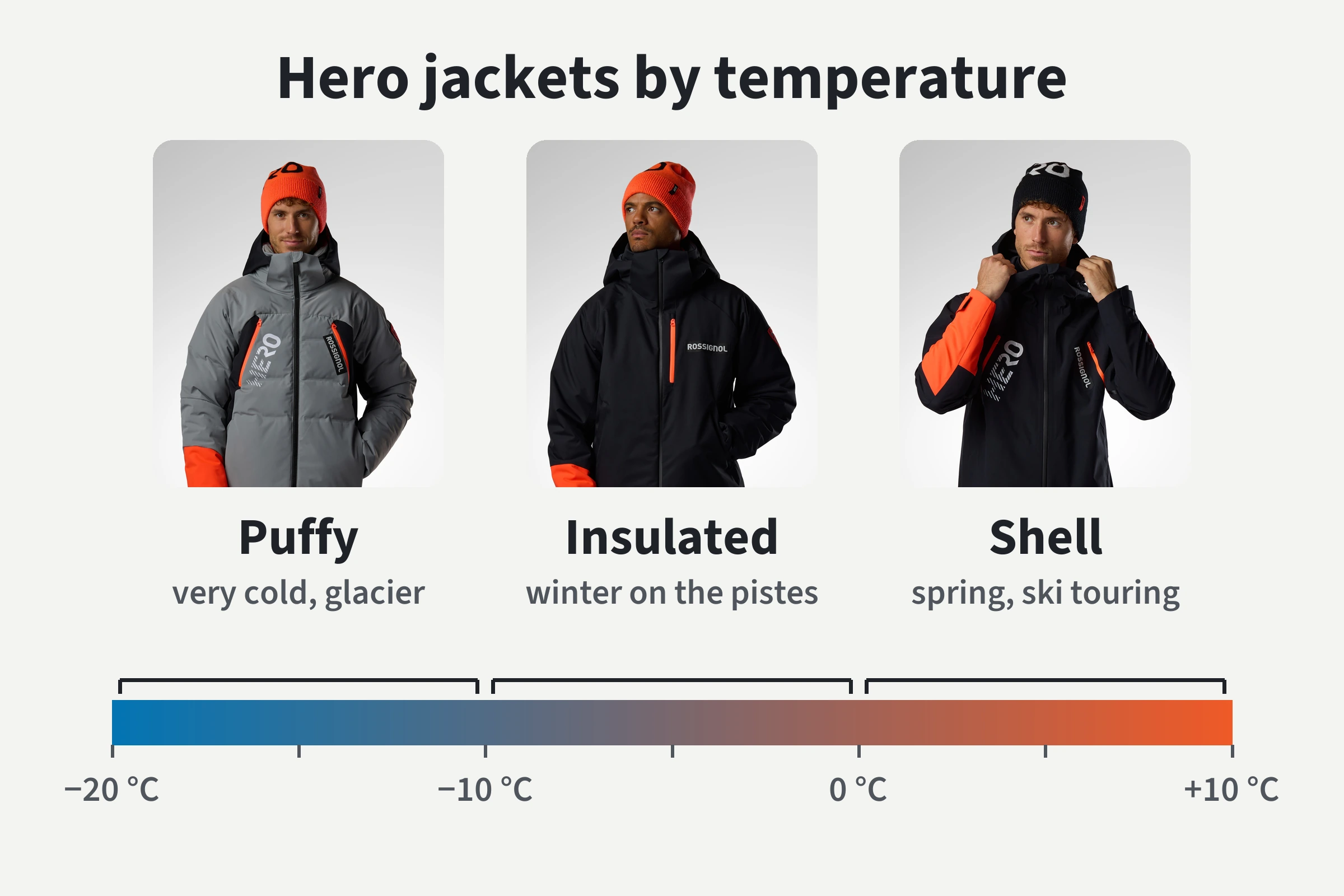
The graphic shows a guide. If you get cold quickly, choose one level warmer; if you ski a lot and take few breaks, choose one level lighter. Many people also combine two jackets: the Insulated for midwinter, the Evader from March and on tours. If you ski on the glacier as early as October and November, it makes more sense to complement the Insulated with the Puffy.
Which Hero jacket is right for you?
- 1
If you often ski on glaciers or get cold quickly
choose the Hero 4WS Puffy Jacket.
- 2
If you mainly ski on pistes
choose the Hero Insulated Ski Jacket.
- 3
If you ski in spring, off-piste or on tours
choose the Hero Evader 2.0 3L Shell Jacket with layers underneath.
- 4
If you want one jacket for spring and midwinter and like working with layers
choose the Hero Evader with a fleece or down jacket underneath.
- 5
If you only want to buy one jacket
choose the Insulated; it covers most days.
Hero collection at SportFits
You can find all Rossignol Hero jackets, trousers and layers in our shop.
View Rossignol jackets ↗Frequently asked questions
What is the difference between a Puffy jacket and an insulated ski jacket?
The amount of insulation. A Puffy has considerably more of it, distributed across quilted chambers, making it warmer. An insulated ski jacket has less insulation and is designed for normal winter days.
Is a shell jacket warm enough for winter?
Not on its own. With a base layer and a fleece or light down jacket underneath, you can also wear it on cold winter days and adjust the warmth through the layers.
Do Rossignol jackets come up small?
According to the sizing information in the shop, probably yes. All three have a regular fit, with some room for layers. If you are between two sizes, choose the larger one, especially for the Evader.
Are the jackets waterproof?
Yes. Rossignol states a hydrostatic head of 20,000 mm for all three, along with an outer fabric that keeps out the wind.
SportFits
outdoors looks good on you