
Buying Guides
Deuter Race 16: the backpack that never stays at home
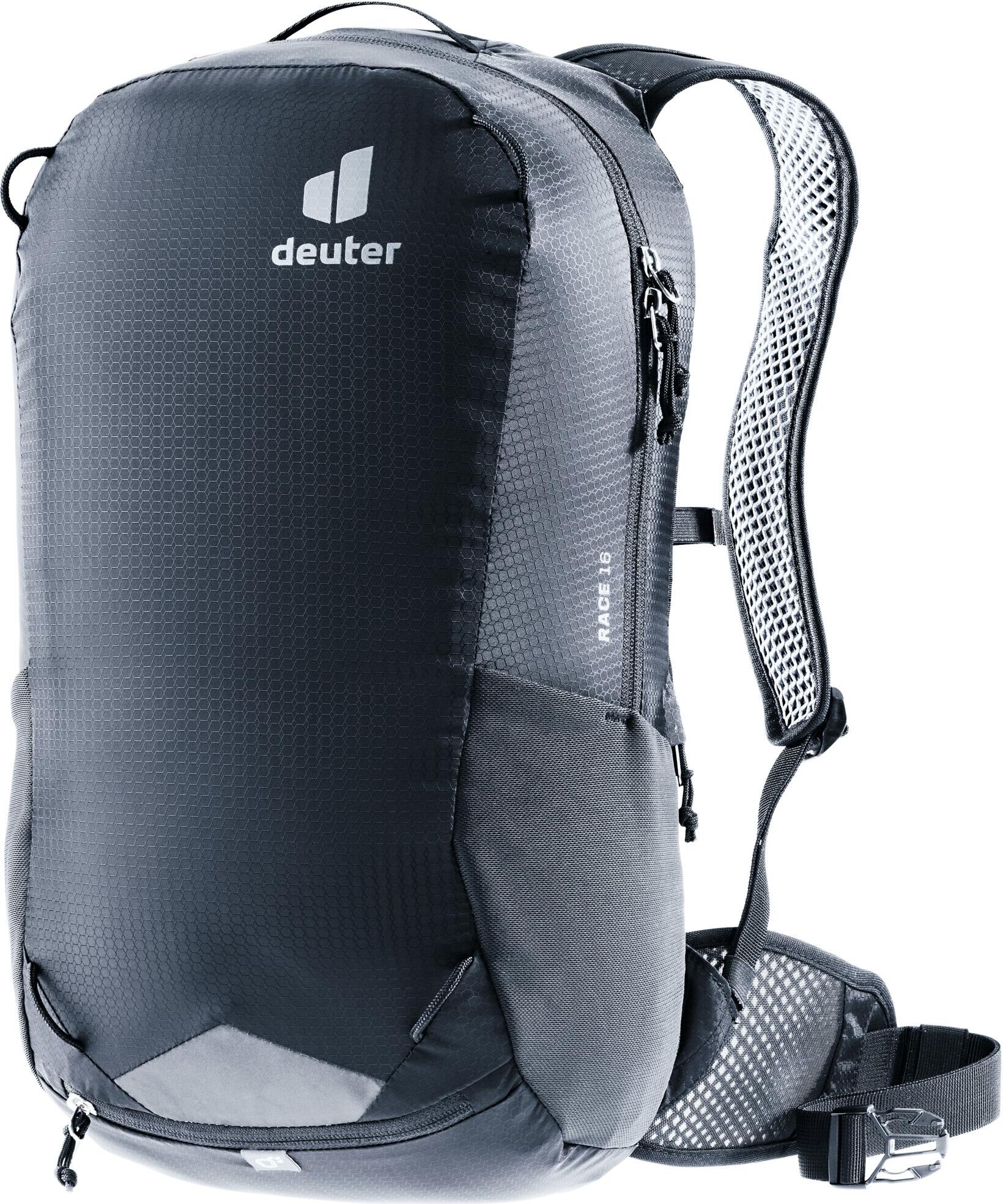
590 grams, 16 litres and a rain cover always on board: why the Deuter Race 16 works on the bike, on the trail and on the piste, and who should look elsewhere.
I test a lot of gear for work. Most of it goes back in the cupboard after two or three weeks: nice enough, but not something I'd miss. The Deuter Race 16 was different. It has been hanging on the hook by the door for months, and I now grab it without thinking: for a ride, an after-work loop, even a day on the piste in winter. At some point I noticed I no longer wondered which backpack to take. It's always this one.
Key points
- 01
590 g including the rain cover, 16 litres: lighter than a full water bottle.
- 02
Airstripes back system: sits close and stays stable, even when you move abruptly.
- 03
One backpack for four worlds: bike, hike, ski lift and everyday life.
- 04
According to the manufacturer: 100% recycled polyamide and PFC-free.
- 05
Reviews agree: 4.7/5 on Amazon and 9/10 in the ebikeers test.
How a test sample became my everyday companion
It started with an after-work loop on my gravel bike. I had only taken the Race 16 along to "give it a go": rain jacket, energy bar, spare tube, multitool, water bottle. After two hours it hit me that I hadn't felt it once. No tug on my shoulders, no river of sweat down my back, no wobble on the descent.
There is more than luck behind that. Deuter has been making backpacks for more than 125 years. It started in Augsburg in 1898 and later equipped the first Himalayan expedition in 1930 and the first ascent of Nanga Parbat in 1953. In 1984, Deuter invented the breathable mesh back, a principle the whole industry still copies. The Race 16 boils that know-how down to the essentials: low weight, lots of function, no frills. You'll find the Race 16 on its product page.
The Airstripes back system
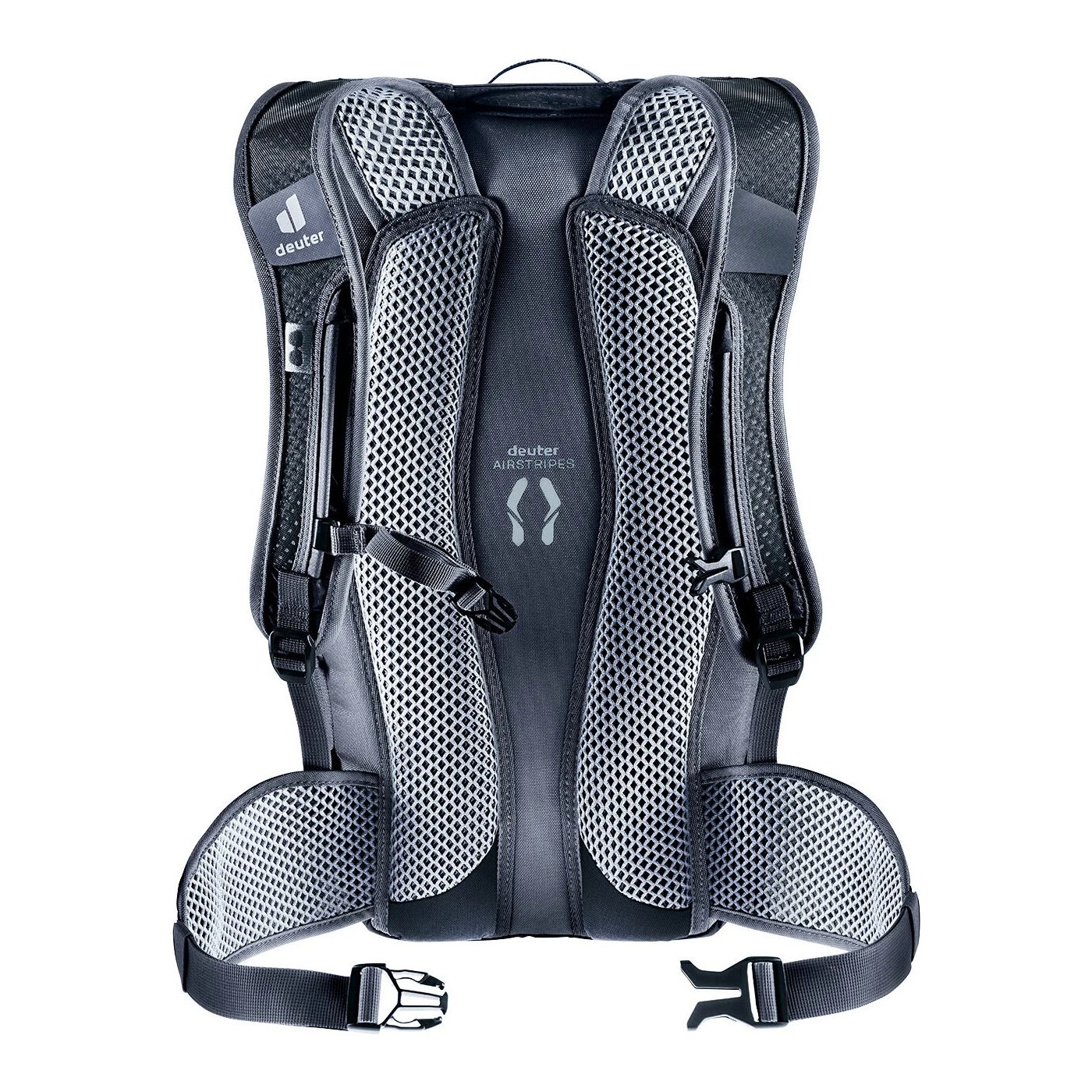
The reason you forget the Race 16 is on your back is its back system. Two contoured padded strips run either side of your spine and leave the centre free. That gives free airflow over more than 80% of your back. Unlike a suspended mesh back, the Race 16 sits close to your body. It sounds like a detail. In practice it is the difference between a pack that sits and one that flops about: on a rooty trail, a freeride section or a turn on the piste, nothing shifts. On top of that come 3D AirMesh shoulder straps, a continuously adjustable chest strap and stabilising mesh wings on the hip belt. Flexible aluminium stays can be bent to the shape of your back.
As light as three bananas: the Race is a true lightweight and still a fully fledged backpack.
One backpack, four worlds
The nice thing about the Race 16 is that it doesn't force you into anything. It isn't purely a bike pack or purely a hiking pack. It's the one you already have with you.
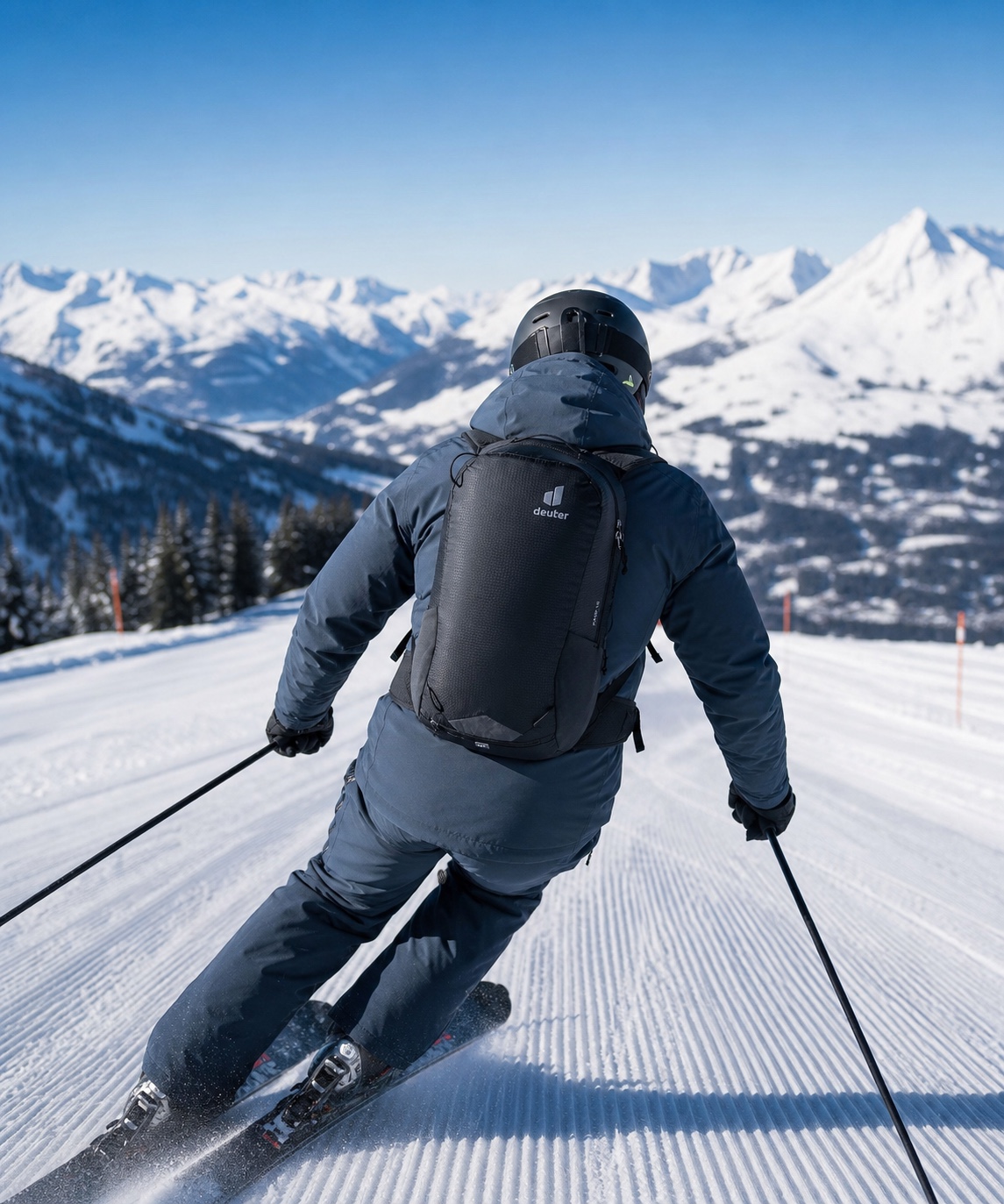
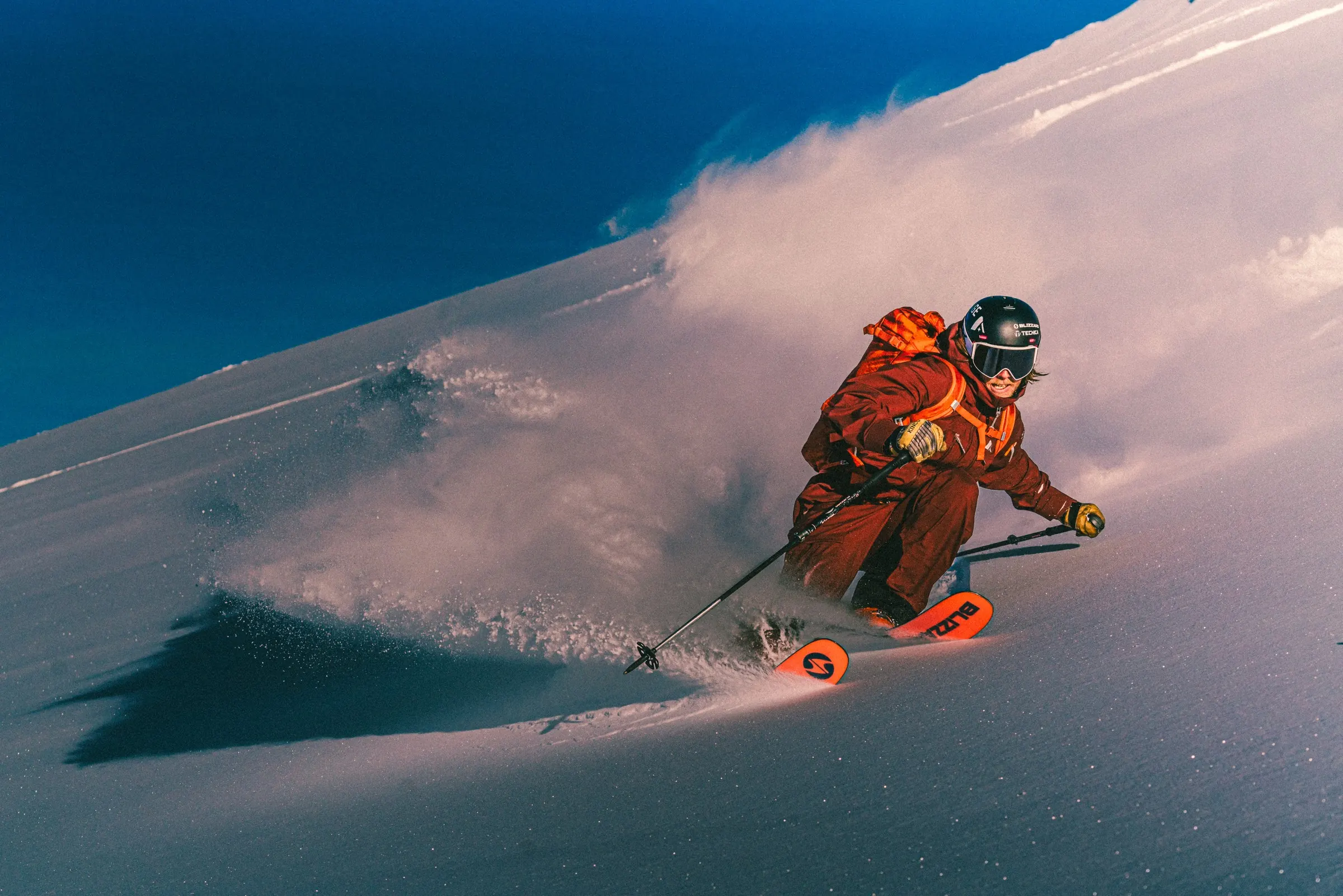
On the piste. It isn't a ski-touring pack for avalanche gear, but it is an ideal companion for pistes and lifts. Sixteen litres take a rolled-up ski jacket, gloves, snacks and a goggle case. The 3M reflectors help when the sun sets early.
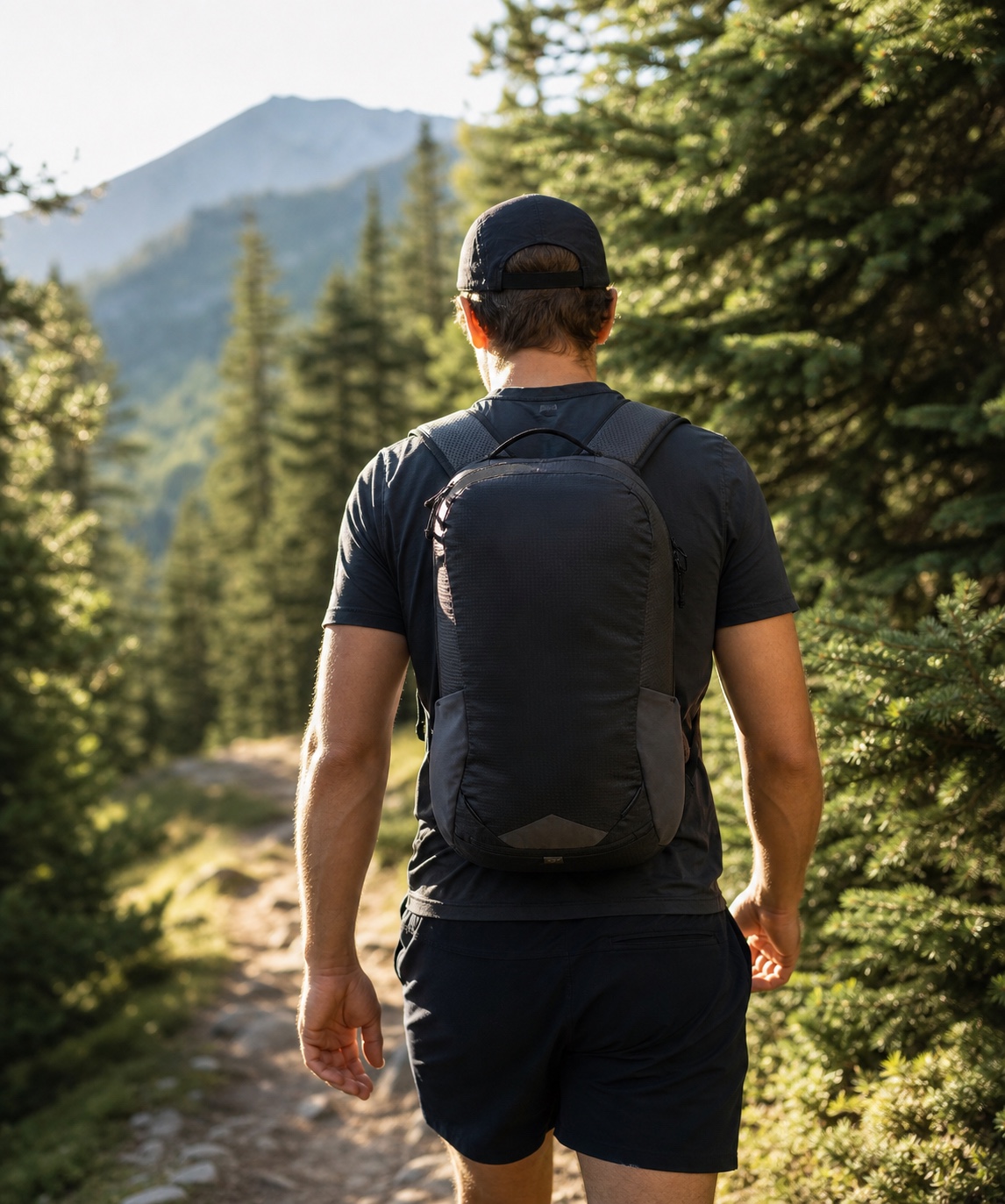
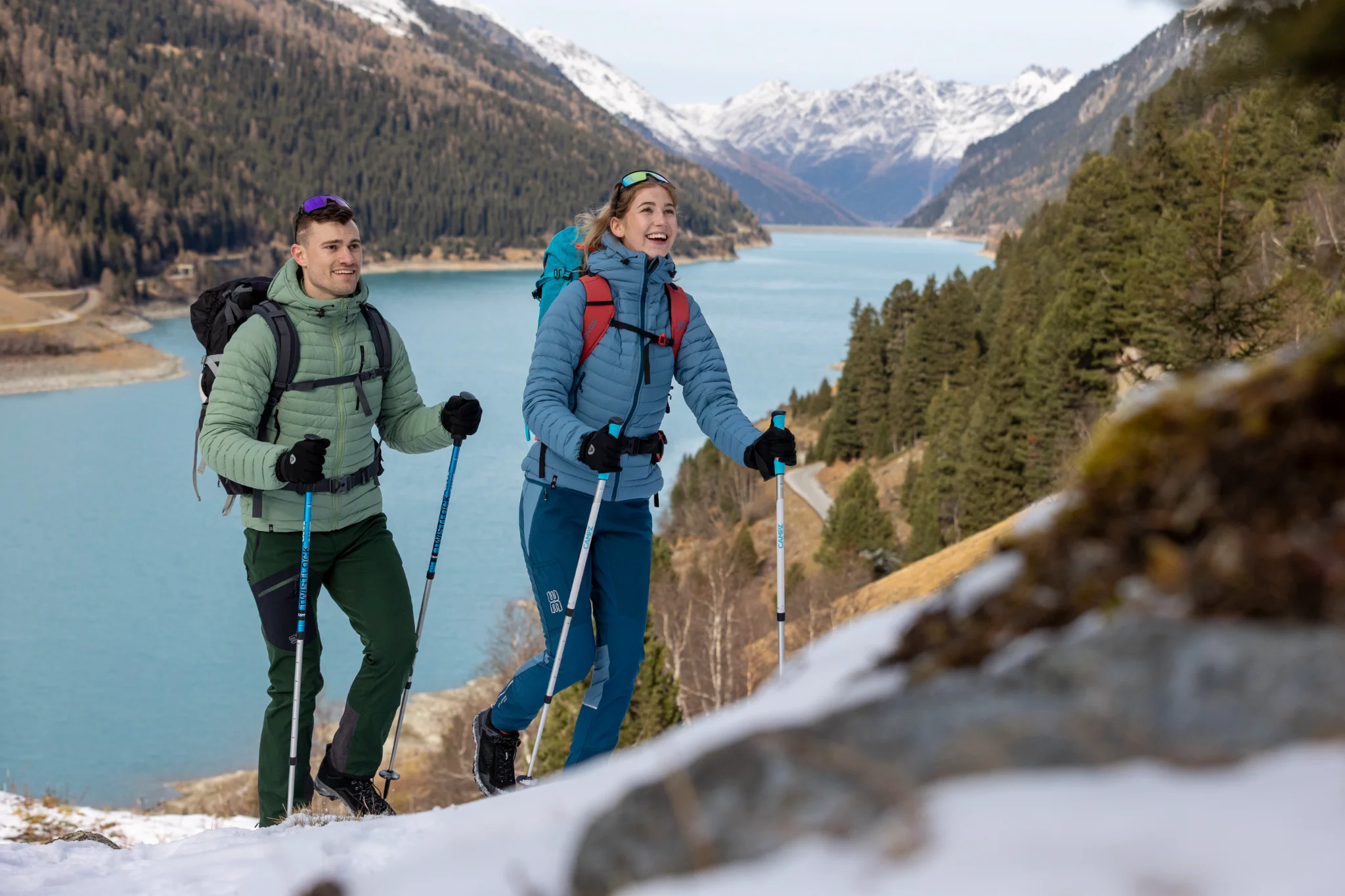
On a hike. For three- to four-hour walks the volume is just right. A rain jacket, first aid kit, lunch and a hydration bladder (up to 3 litres) all fit, without tempting you to pack half the house.
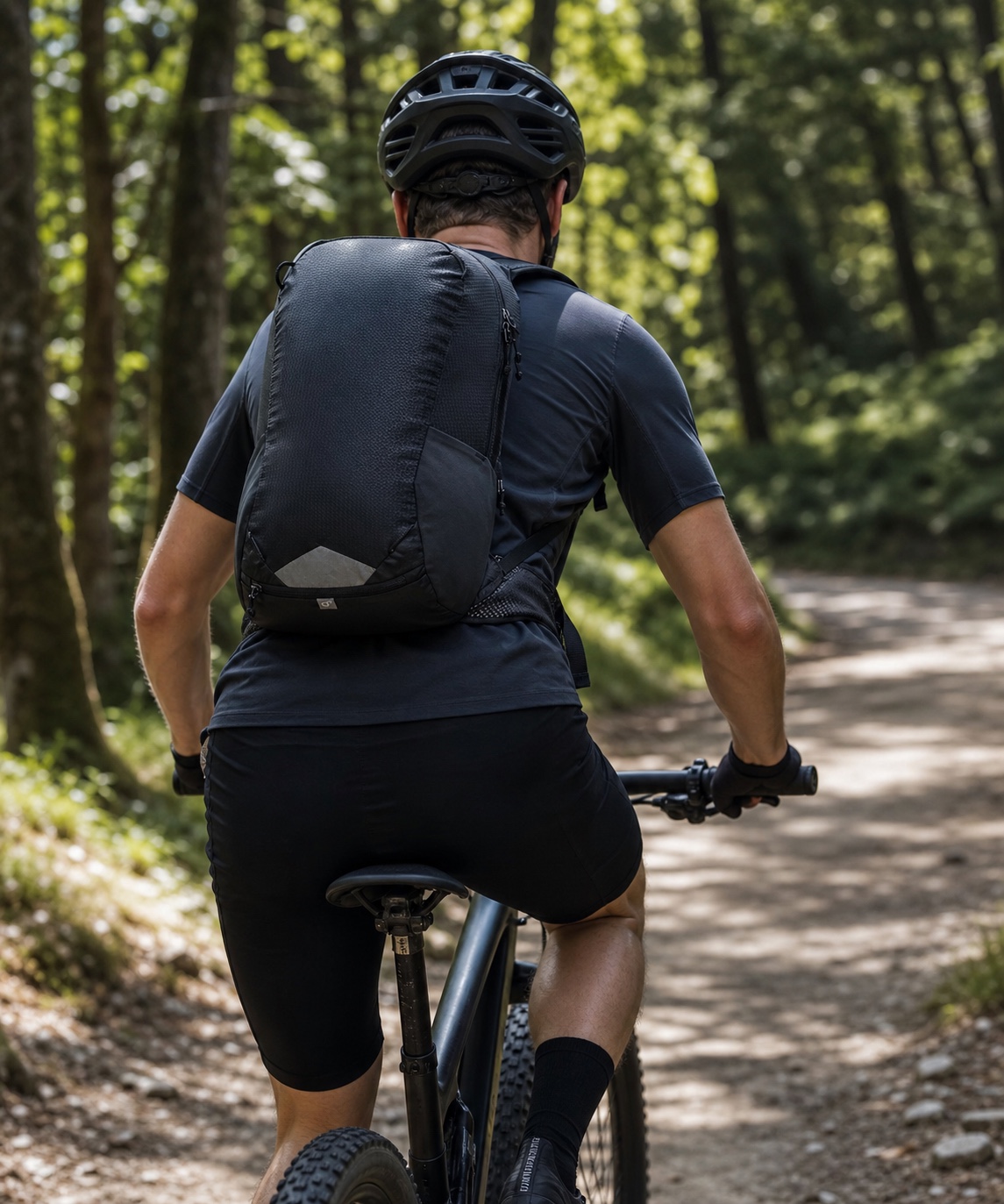
On the trail. This is what it was made for. Nothing shifts, even after hours in the saddle. And for everyday life? Compact, light, good in town. The zipped pocket you reach from the back keeps valuables safe, even on the metro.
Race 16 or Race Air?
The question comes up in almost every buying guide. Here is an honest overview.
| Feature | Race 16 | Race Air 14+3 |
|---|---|---|
Back system | Airstripes (close-fitting) | Aircomfort (suspended mesh) |
Fit when moving | Very stable | A little more movement |
Ideal for winter and skiing | Yes | Not really |
Ventilation in hot weather | Good | Very good |
Weight | 590 g | approx. 940 g |
Recommended retail price | Lower (check the current price on the product page) | Higher |
In short: if you ride, hike, ski and want one pack for every day, the Race 16 is the more versatile and cheaper choice. The Race Air comes into its own in pure summer heat, when maximum ventilation matters most.
What the community says
I'm not the only one who feels this way. Ratings are strikingly consistent across platforms: 4.7/5 on Amazon (141 reviews), 4.9/5 on Testbericht.de and 9/10 from ebikeers.
“Fits like a glove: after hours on the bike you hardly notice it.”
“A very light and practical cycling backpack that also works well for hiking.”
Who it suits and who it doesn't
What speaks for it
You want ONE backpack for cycling, hiking, skiing and everyday use
Low weight matters more to you than lots of pockets
You like a close, stable fit
Recycled material and a PFC-free finish (according to the manufacturer) matter to you
What to weigh up
You need a zipped outer pocket for quick access
You like to organise everything, as the inside is deliberately simple
You want a helmet net included (it's sold as an accessory)
Frequently asked questions
Frequently asked questions
Will a laptop fit in the Race 16?
A tablet or notebook yes, a laptop no. The main compartment takes A4 but has no padded laptop sleeve.
Is the Race 16 waterproof?
It is water-repellent thanks to a PFC-free DWR treatment, and the built-in rain cover handles heavier rain. It isn't fully waterproof.
What size is it, and are there several?
The Race 16 comes in one size (back length 38–54 cm), so it fits the vast majority of people. You can bend the aluminium stays to the shape of your back.
Is it suitable for ski touring?
As a piste and lift companion, yes. It isn't designed for classic ski touring with avalanche gear.
Our recommendation
My verdict after months of use: the Race 16 isn't a specialist. It's the one backpack that works for almost everything, light enough to forget and well thought out enough that you'd miss it. That's what makes it my favourite piece of kit.
Browse more buying guides.
Inspiration, knowledge and gear for people who want more from the outdoors.