
Training & Health
Altitude and heart rate: back in the mountains after a break
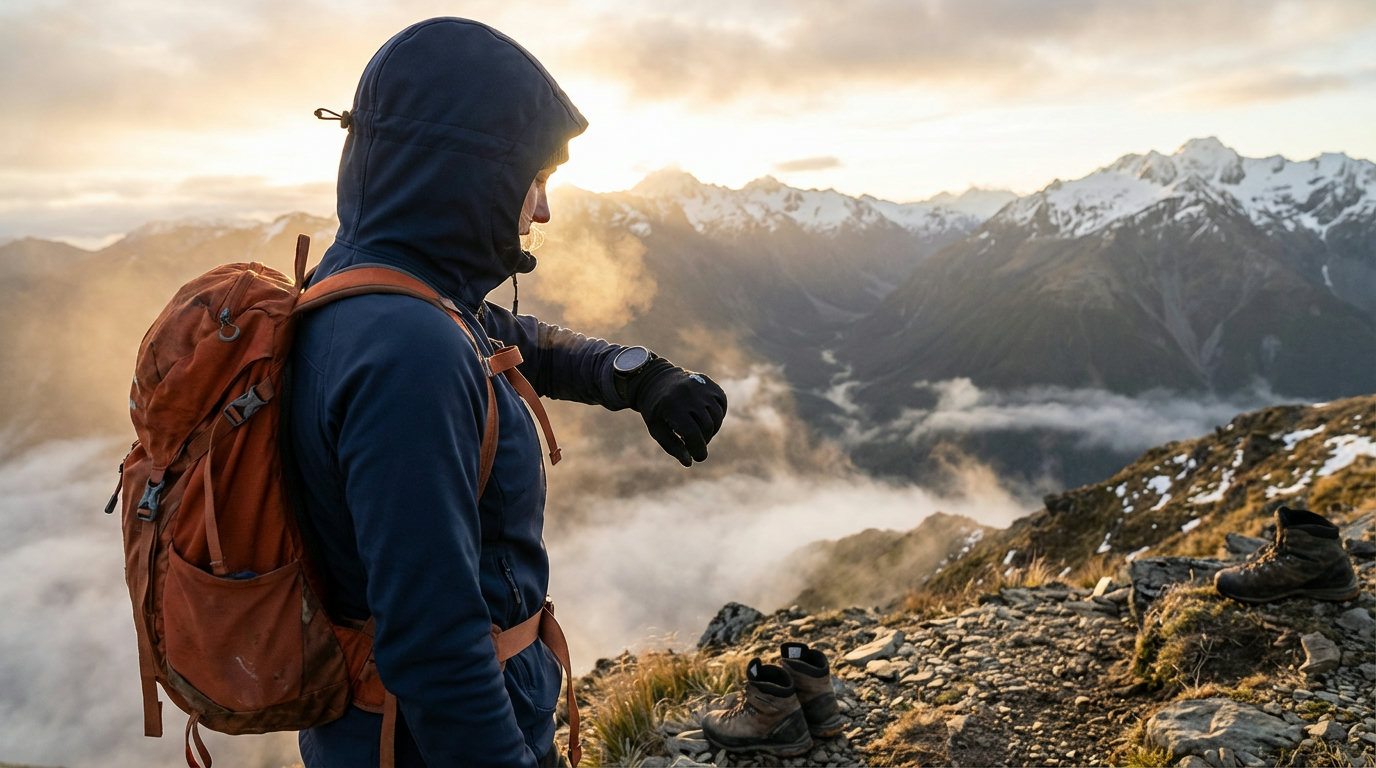
Heading back into the mountains after a long break? Here is what happens to your heart, lungs and blood at altitude, and how to ease back in safely.
Why your body responds differently at altitude
Mountain air contains the same proportion of oxygen as the air down in the valley: around 21 per cent. What changes is the air pressure. At 2,000 m it is about 80 per cent of the value at sea level, and at 3,000 m only around 70 per cent. So with every breath, less oxygen reaches your lungs, even though your breathing feels completely normal.
Your body reacts straight away. You breathe more deeply and quickly, your heart beats more often, and oxygen uptake in the blood is readjusted. If you are fit, you will barely notice. After months off, you will feel it on the first climb from the car park.
What happens inside: heart, lungs and blood
As soon as oxygen pressure drops, your breathing and circulation switch into a different mode. Three systems work especially hard: your lungs, heart and blood. They depend on each other, which is exactly why exertion at altitude feels so different from exercise at low altitude.
Acute adjustments (hour 1 to day 3)
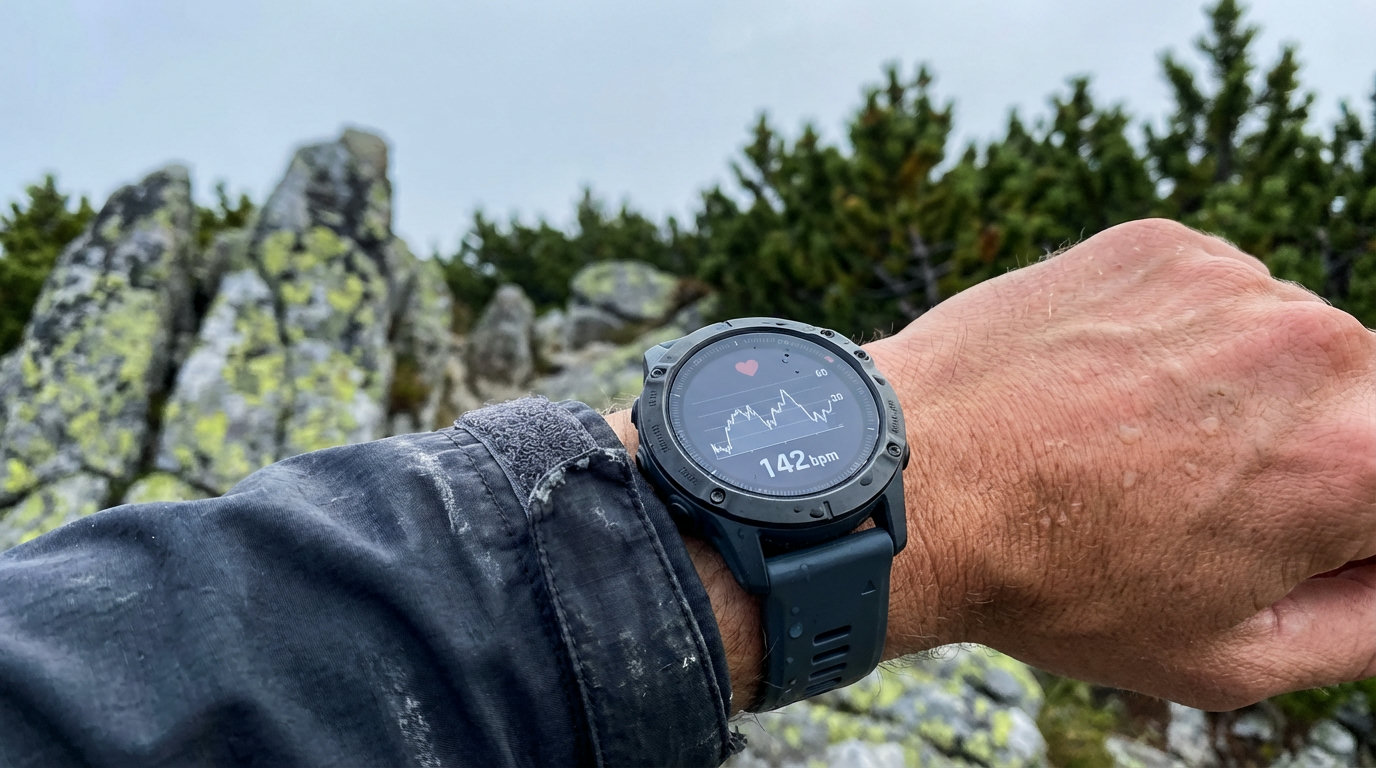
The first responses happen within minutes. You breathe faster and more deeply, which is known as the hypoxic ventilatory response. At the same time your heart rate rises, because your body makes up for the oxygen deficit by pumping harder. At the same effort, your pulse can be 10 to 20 beats higher than at home.
In the first few days your kidneys also produce more urine, which concentrates your blood. That helps oxygen transport but costs fluid. At altitude, drinking matters more, not less.
Longer-term acclimatisation (from day 3)
If you stay at altitude for several days, your body helps out on another level: it produces more red blood cells and with them more haemoglobin, the molecule that carries oxygen. This process starts within the first 24 hours and takes weeks to reach its full effect.
For a weekend hut trip, the sober truth is that you will not fully acclimatise. Your body still supports you through the acute mechanisms, as long as you give it time to adjust.
After a long break: what you need to do differently
A break of three, six or twelve months changes more than many people want to admit. Your cardiovascular system measurably loses capacity, your muscles work less economically, and your tendons and ligaments cope with less load. At altitude, it all adds up.
The good news: much of it comes back faster than it went. The key is to keep your first two or three outings deliberately small, even when your head and your motivation are shouting louder than your legs. If you pick up exactly where you left off, you risk overload, frustration and, in the worst case, an emergency.
Keeping an eye on your heart rate
The most honest feedback comes from your heart-rate monitor, not your head. If you regularly train in heart-rate zones, you know your numbers and will notice straight away when the mountains feel different. Three readings are especially useful when you are getting back into it:
- Resting heart rate in the morning: if it is 5–10 beats above your normal value, you need recovery rather than a big day out.
- Heart rate on the climb: if it stays above 75% of your maximum heart rate even after 5 minutes of easy walking, your pace is too high.
- Recovery heart rate during a break: if it drops clearly within 1–2 minutes, you are in good shape.
If you do not know your zones yet, our heart-rate zone calculator gives you a first point of reference.
The key points
- 01
From around 1,500 m, oxygen partial pressure drops noticeably, and your heart beats faster at the same effort.
- 02
After a long break, it is not just your endurance that has gone. Your altitude tolerance needs rebuilding too, so plan your first outings to be deliberately smaller.
- 03
A sports watch with heart-rate tracking is the most honest coach. If your resting heart rate stays clearly elevated up high, you need another day.
- 04
Real acclimatisation only begins after 2–3 days at altitude, so day trips feel different from a hut trip.
Frequently asked questions
Frequently asked questions
At what altitude do I really notice the thin air?
Most people notice from around 1,500 to 2,000 m that their heart rate is higher at the same effort. At 2,500 m the effect is clear, and at 3,000 m unmistakable for many. It varies a lot from person to person, though: how you feel on the day, your sleep and your experience all play a big part.
How much higher is my heart rate at altitude?
At the same effort between 2,000 and 3,000 m, you can expect around 10 to 20 more beats per minute than on the flat. Your maximum heart rate stays roughly the same, so you reach the higher zones sooner.
How long does it take to get mountain-fit again after a break?
You can rebuild basic endurance in 4 to 8 weeks with moderate training 2 to 3 times a week. For longer tours at higher altitude, plan 2 or 3 preparation hikes and increase the height and duration step by step.
Can I simulate altitude training on the flat?
Special altitude chambers and mask systems exist, but they only partly replace real acclimatisation. For most recreational athletes, consistent endurance work at low altitude is the more important preparation, supplemented by day trips to moderate elevations.
What should I do if my heart rate simply will not come down up high?
Take a proper break: sit down, breathe slowly, drink and eat something. If your heart rate has not dropped noticeably after 5 minutes, your pace was too high or you need more time to acclimatise. When in doubt, turn back. The mountains are not going anywhere.
Tools and categories to help you get back into the mountains
Inspiration, knowledge and gear for people who want more from the outdoors.