
Stories
Montura Workframe: Ready for demanding work outdoors
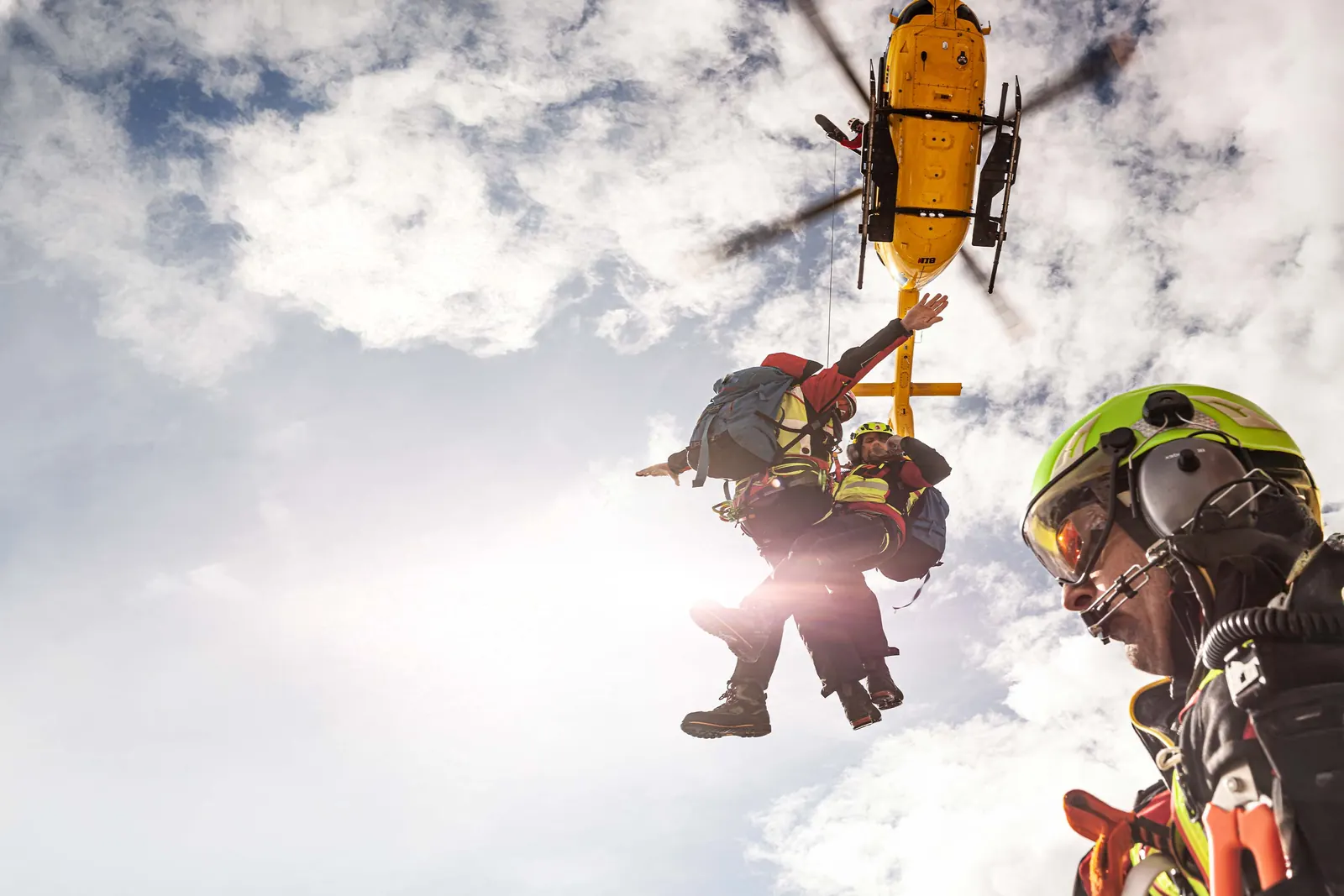
Montura Workframe combines mountain rescue functionality with outdoor apparel design. Here is how vests, tops, jackets and pants differ, and how to pick the setup that fits your work or outdoor routine.
Key takeaways for your selection
- 01
Check the exact features on each model: radio pockets, scissor holsters and accessory attachment zippers are not included on every Workframe vest.
- 02
Ask for model-specific certification whenever high-visibility PPE is mandatory. Reflective strips alone do not confirm EN ISO 20471 compliance.
- 03
Separate water-repellent stretch pants from waterproof outer layers. A DWR finish does not replace rain pants.
- 04
Try garments on with loaded pockets and your regular layers. Reaching overhead and kneeling reveal whether tools stay accessible.
The radio slips under your pack strap, the jacket pulls when you reach overhead, and the shears sit in the wrong pocket. Small snags like these decide whether clothing helps during outdoor work. Montura Workframe targets exactly that problem: the collection covers garments and accessories built for professional mountain operations, especially ground and helicopter rescue. Accessible pockets and task-specific ergonomic cuts come first.
Workframe also appeals to trail crews and outdoor tradespeople. The task decides what makes sense. Anyone who carries a radio ready to hand needs different details than a hiker mainly looking for rain protection. A feature-packed rescue vest adds little benefit if its dedicated compartments stay empty.
Start your selection with a brief checklist of your workday: what do you carry on your body, and what goes into your pack? Which motions do you repeat? Which safety standards apply to your workplace? Answering those questions makes matching each garment straightforward.
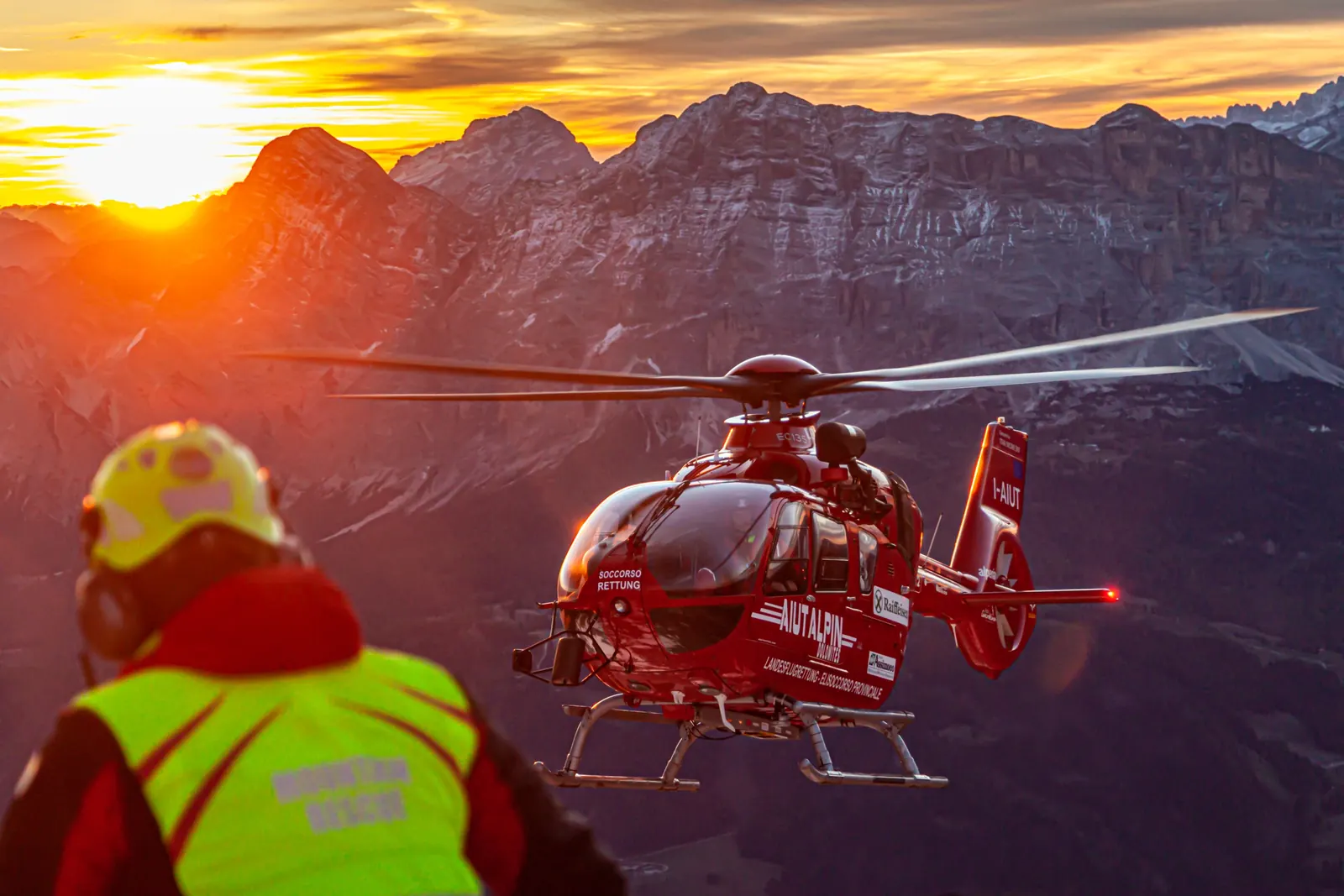
Workwear and personal protective equipment (PPE) are two separate categories. Occupational safety authorities distinguish general work clothing from garments certified to protect against defined hazards. An action photo or the word "workwear" tells you nothing about formal certification.
EN ISO 20471 defines requirements for high-visibility warning clothing, specifying minimum areas of fluorescent background fabric and retroreflective material. Reflective piping on dark outdoor pants does not meet that standard. Even a descriptive term like "high-vis vest" on a product page never replaces checking the garment label and official manufacturer documentation.
For the models discussed here, we therefore do not assign a blanket high-visibility class. Verify the exact certificate for the specific version and colorway you plan to buy. Your workplace risk assessment and employer or rescue service guidelines determine what is legally required.
Check before professional use
Vests keep your arms free while placing essential tools close to your torso. Even within Workframe, layouts vary noticeably. According to Montura, the Operator Basic 2.0 Vest comes with a mesh radio pocket, zippered chest and hand pockets, and segmented reflective bands. A chest loop holds a radio push-to-talk (PTT) button.
The Operator EVO 4 Vest adds a rear pocket and a dedicated shears compartment with a retractable safety tether. Montura also specifies a zipper interface for the Pocket Operator accessory. That modular add-on is model-specific and does not automatically fit every Operator vest.
Two Workframe vests compared by documented features
| Model | Documented features | When it makes a difference |
|---|---|---|
Mesh radio pocket, chest and side pockets, PTT loop | When you want a radio and small tools up front without extra bulk | |
Radio pocket with drawcord and buckle, rear pocket, tethered shears holder, Pocket Operator zip interface | When extra tools need dedicated anchor points and modular storage |
More pockets have practical limits. A packed chest pocket can rub under backpack straps, and a back pocket is hard to reach while wearing a rucksack. Try the vest on with the exact gear you carry, and operate your radio while wearing your regular work gloves.
One detail needs extra care: Montura describes an internal harness integration setup on the EVO 4. The vest itself never replaces a certified climbing or fall-arrest harness. Whether its openings work with your harness system must be verified against both manufacturers' instructions.
High tops serve as the first layer
A base layer sits directly against the skin to manage moisture. In the Workframe line, that role includes the High tops. According to Montura, the High Zip 2 T-shirt uses a 100% polyester outer fabric, a front zipper and a zippered chest pocket, cut close to the body as a first or second layer.
Open the front zip to vent heat during steep approaches. When trying it on, check that hem and sleeves stay put when you reach overhead. A chest pocket loaded with small tools can press uncomfortably under a snug vest, regardless of how breathable the fabric is.
Operator Convert organizes gear, Monte 2 blocks rain
According to the manufacturer, the Operator Convert Jacket features zip-off sleeves, radio pockets and cable ports, turning into a vest when temperatures rise. That design focuses on organizing equipment rather than waterproofing.
Steady rain calls for a different build. Montura describes the Monte 2 Jacket as a waterproof hooded shell made from a three-layer fabric with an integrated membrane. The brand lists a 20,000 mm hydrostatic head, a lab figure measuring water pressure resistance. On its own, that number does not predict overall comfort across a full shift, which also depends on ventilation and fit over your layers.
When choosing work pants, look closely at knee reinforcement and pocket placement. For the 118 EVO 2.0 Pants, Montura specifies four-way stretch nylon fabric, felt-backed knee panels and multiple zippered pockets. The Operator Light Pants also include knee reinforcements and adjustable cuffs according to the brand. The word "Light" in the name alone does not tell you which weight or pocket layout suits your season.
Practical differences show up on the job. Do you need thigh pockets or extra calf storage? Can you open them while kneeling? Does a loaded pocket pinch when sitting in a vehicle? Pants can feel comfortable standing up yet pull across the thigh on a high step.
Both models feature a DWR finish according to Montura. DWR stands for durable water repellent, a surface treatment that sheds light moisture rather than blocking prolonged downpours. For extended wet conditions, plan a dedicated waterproof shell layer. The Vertigo GTX Pro Cover Pants are listed in the SportFits range as three-layer waterproof overpants with full-length side zippers. They belong to the Vertigo alpine line and add serious weather protection, though they do not carry a high-visibility workwear certification.
How to fit-check work pants before your first shift
A one-piece overall is another option. According to its product specifications, the Offhand Overall combines a front zipper with adjustable suspenders so upper and lower sections stay linked together. That helps if separate layers tend to ride up during overhead work. Separates, on the other hand, let you swap jacket or pants independently. With an overall, pay close attention to torso length when bending and reaching up.
During regular outdoor duties, pocket organization often matters more than minimal pack size. On a recreational hike, priorities shift: how compactly does the shell pack down, and do you need a radio harness at all? Rescue-oriented apparel is not automatically the better choice for casual mountain tours.
In forestry or rope-access work, separating comfort from certified protection is critical. Stretchy, hard-wearing pants make movement easier, yet their material specification proves neither chainsaw cut protection nor fall-arrest compliance. Match protective gear to the exact task and its documented standards.
Matching the right setup to your routine
- 1
If you want a radio and small essentials carried up front
start by checking the pocket layout of the Operator Basic 2.0 Vest.
- 2
If shears and modular accessories need fixed attachment points
compare the documented EVO 4 features against your actual tool kit.
- 3
If long stretches of heavy rain are expected
add a dedicated waterproof three-layer shell jacket and overpants.
- 4
If you mainly hike without carrying work equipment
compare standard Montura alpine apparel by fit, weight and packability.
Right for you if …
People who regularly carry radios or tools on their body and tailor clothing to active outdoor duties
Probably not for you if …
Anyone assuming every Workframe item automatically meets all mandatory workplace PPE standards
Check the care instructions before buying. For the EVO 4 Vest, for instance, Montura specifies washing up to 30 °C and advises against tumble drying. That does not mean every piece in the collection shares identical washing rules. Always follow the care label inside the individual garment.
With high-visibility clothing, ongoing condition matters just as much as initial certification. Occupational safety guidance notes that heavy dirt and faded fluorescent fabrics reduce conspicuity over time. Rather than relying on a fixed calendar lifespan, follow the manufacturer's instructions and your organization's inspection rules.
Quick inspection before your next shift
Frequently asked questions
What is Montura Workframe?
Workframe is Montura's dedicated workwear and rescue apparel line developed for demanding mountain duties. It includes vests, tops, jackets and pants built with input from alpine rescue teams. Exact features vary from model to model.
Are all Montura Workframe pants waterproof?
No. According to Montura, models like the 118 EVO 2.0 Pants and Operator Light Pants have a water-repellent DWR finish, which does not make them waterproof. For continuous rain, pair them with dedicated waterproof overpants.
Are all Workframe products certified to EN ISO 20471?
No blanket certification applies across the entire range. Always verify the garment label and official manufacturer documentation for the specific model, colorway and size. Reflective accents alone are not sufficient proof.
What is the difference between the Operator Basic 2.0 Vest and Operator EVO 4 Vest?
The Basic 2.0 offers a mesh radio pocket, zippered chest and side pockets, and a PTT loop. According to Montura, the EVO 4 adds a rear pocket, a tethered shears solution and a zip interface for the Pocket Operator accessory.
Can I wear Montura Workframe for regular hiking?
Yes, as long as the fit and features suit your outings. Specialist pockets make the most sense when you actually use them. For hiking without radio or rescue tools, standard Montura outdoor clothing is often lighter and easier to pack.
Choose Montura clothing for your terrain
Compare model features, available sizes and colorways across Montura's technical workwear and alpine outdoor clothing.
View Montura outdoor clothing ↗Sources (10)
- Montura: Workframe collection and professional rescue applications ↗
- Montura: Workframe collaboration with Alpine Rescue teams ↗
- Montura: Operator Basic 2.0 Vest specifications and care ↗
- Montura: Operator EVO 4 Vest features and accessory interface ↗
- Montura: High Zip 2 T-shirt material and fit ↗
- Montura: Operator Convert Jacket pockets and zip-off sleeves ↗
- Montura: Monte 2 Jacket three-layer waterproof shell construction ↗
- Montura: 118 EVO 2.0 Pants stretch fabric and knee reinforcements ↗
- Montura: Operator Light Pants features and DWR finish ↗
- DGUV: Frequently asked questions on protective and high-visibility clothing ↗

SportFits editorial team
Marketing & Sales Manager at SportFitsNiklas is Marketing & Sales Manager at SportFits and studied applied sports science in Regensburg. In the magazine he writes about training science, fitness and longevity, putting trends into scientific context instead of simply celebrating them. He also looks at what really matters in outdoor gear: honest facts instead of empty advertising language.
Author profile →SportFits
outdoors looks good on you