
Training & Health
Longevity: your path to a longer, healthier life

What lies behind the buzzword 'longevity', and how you can actively extend the years you spend in good health.
Key points at a glance
- 01
Longevity is about extending your healthy lifespan, not just reaching a higher chronological age.
- 02
Your lifestyle influences 70–80% of your life expectancy. Genetics play a smaller role.
- 03
The key pillars are exercise, nutrition, sleep, stress management and preventive check-ups.
- 04
Biological age matters more than chronological age, and you can influence it with targeted measures.
Updated: February 2026
Everyone is talking about 'longevity' and its promise of a longer, healthier life. But what is really behind it, and how is it different from simply 'getting old'? At its core, longevity is less about living for many years and more about spending those years in the best possible health, with a high quality of life. It is the difference between a high chronological age and a low biological age: the actual functional and health status of your body [1, 3].
Research in this field has made huge progress in recent years. We understand better and better which mechanisms drive ageing and how we can influence them for the better. From cell ageing and epigenetic changes to body-wide factors such as inflammation and metabolism, longevity is a fascinating and highly complex field. It affects all of us.
Chronological vs biological age: the crucial difference
You know your chronological age: it is simply the number of years since you were born. Yet it says little about the actual state of your body. Your biological age, by contrast, reflects how well your cells, organs and systems work. Imagine you are 50, but thanks to a healthy lifestyle your body works like that of a 40-year-old. That is the goal of longevity research: to turn back biological age, or at least slow it down [3].
Scientists today use so-called epigenetic clocks to measure biological age. These clocks analyse changes in DNA that are shaped by lifestyle and environment and can serve as markers of ageing. The good news? Genetics determine only around 20–30% of life expectancy. You can influence the greater part yourself through the choices you make [3].
The five pillars of longevity
Longevity is no accident. It is the result of targeted, consistent habits across different areas of your life. There is no miracle pill. There is, however, a combination of evidence-based strategies that can help you improve your biological age and extend your healthy lifespan. They include lifestyle changes, preventive medicine and a deep understanding of how your body works [2, 3, 4].
Exercise: the most important single factor
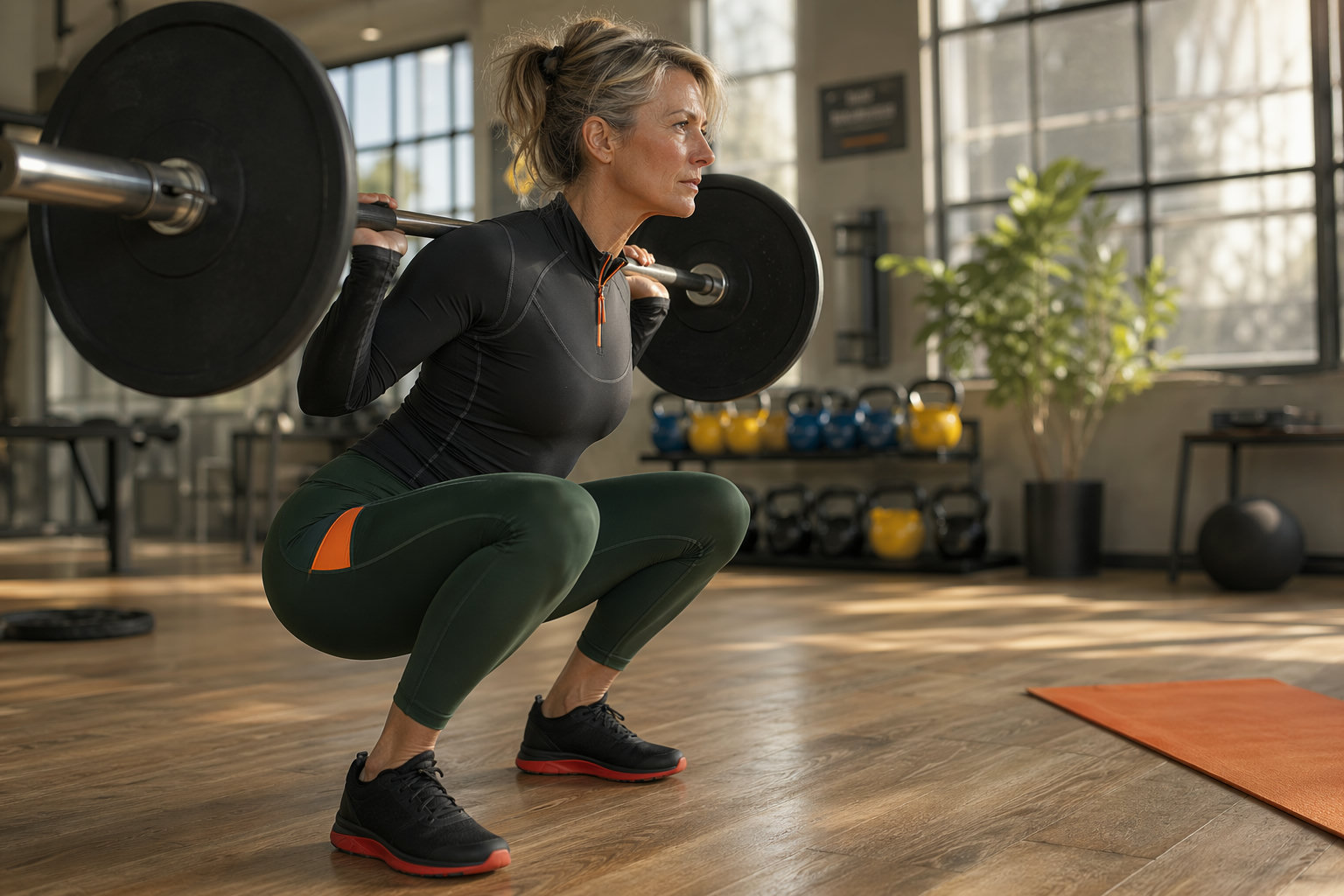
Regular physical activity is one of the strongest factors for a long life. Combining strength training and endurance sport strengthens your muscles and cardiovascular system, lowers age-related risks and keeps you functional as you get older. Aim to be active every day and build purposeful training into your routine [2, 3].
Nutrition and metabolic health
Your diet is your body's fuel. A balanced, nutrient-rich diet with as little processed food as possible is essential. Approaches such as intermittent fasting or moderate calorie restriction can promote processes like autophagy, in which cells recycle and repair damaged parts. Pay attention to stable blood sugar and a healthy body weight [3, 2].
Sleep: recovery and cellular repair
Enough good-quality sleep is a fundamental pillar of longevity. While you sleep, your body recovers, your immune system gets stronger and DNA repair takes place. Chronic lack of sleep speeds up ageing. Aim for 7–9 hours of uninterrupted sleep a night [4].
Stress management: reducing chronic stress
Chronic stress quietly speeds up ageing. It increases inflammation in the body and disrupts hormone levels. Meditation, mindfulness exercises and yoga can help lower stress hormones and improve your overall wellbeing, which in turn benefits age-related processes [2].
Prevention and monitoring
Regular check-ups and personalised risk assessments are crucial. Beyond standard health checks, this includes monitoring specific biomarkers that can reveal your biological age and potential risks. Genetic tests or epigenetic analyses can help you develop individual strategies and set clear priorities [3, 4].
The longevity approach: pros and cons
What speaks for it
Focuses on healthy years, not just the length of life
Science-based strategies to improve your health
Strong emphasis on prevention and personal responsibility
Potential to reduce age-related diseases
What to weigh up
Can take a lot of effort and money, for example for specialised diagnostics
Some commercial offers promise more than the evidence supports
Requires discipline and long-term behavioural changes
Long-term human studies on combined interventions are still limited
Frequently asked questions about longevity
Frequently asked questions
Is longevity only for the wealthy?
No. The most effective measures cost little or nothing: regular exercise, enough sleep, a plant-rich diet and less stress. Expensive supplements and biohacking gadgets can add to that, but they are not what counts.
How quickly will I see results?
The first measurable improvements, for example in blood pressure, sleep quality or HRV, can show up within 4 to 8 weeks. Deeper changes in biomarkers take 3 to 6 months of consistent effort.
Can I reverse my biological age?
Research suggests that lifestyle changes can lower biological age by several years. Exercise, nutrition and sleep have a particularly strong influence on epigenetic markers.
What role does outdoor sport play in longevity?
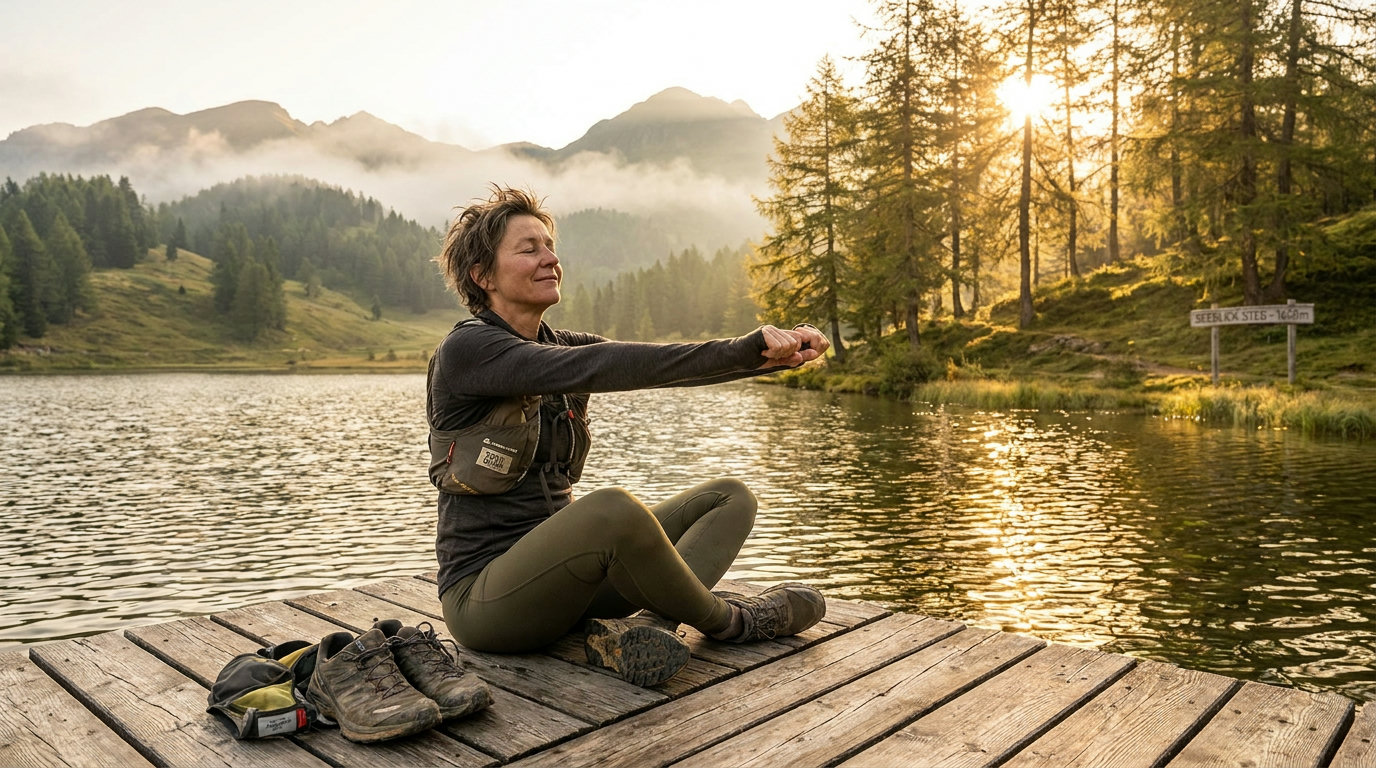
Exercising outdoors combines several longevity factors: physical activity, sunlight (vitamin D), stress relief and social contact. Hiking, trail running and cycling are among the most effective activities for a long life.
Do I have to give up everything to live longer?
No. Longevity is built on smart choices rather than self-denial. The so-called Blue Zones, regions with an especially high number of people aged 100 or over, show that enjoyment, community and a relaxed way of life are just as much part of it.
Conclusion: longevity starts with everyday life
Longevity is more than a passing fad. It is an evidence-based approach to a longer, healthier life. The core message: 70 to 80 per cent of life expectancy is shaped by lifestyle rather than genes. Stay active, look after your sleep and eat a nutrient-rich diet, and you lay the foundation. No million-euro budget required.
Stay active, live longer
Exercise is the most important longevity factor. At SportFits you will find kit for hiking, trail running and more.
Discover outdoor gear ↗View the original article and editorial team in the SportFits Magazine ↗
Inspiration, knowledge and gear for people who want more from the outdoors.