
SportFits Travel
Gravel days: kit and three routes away from the road
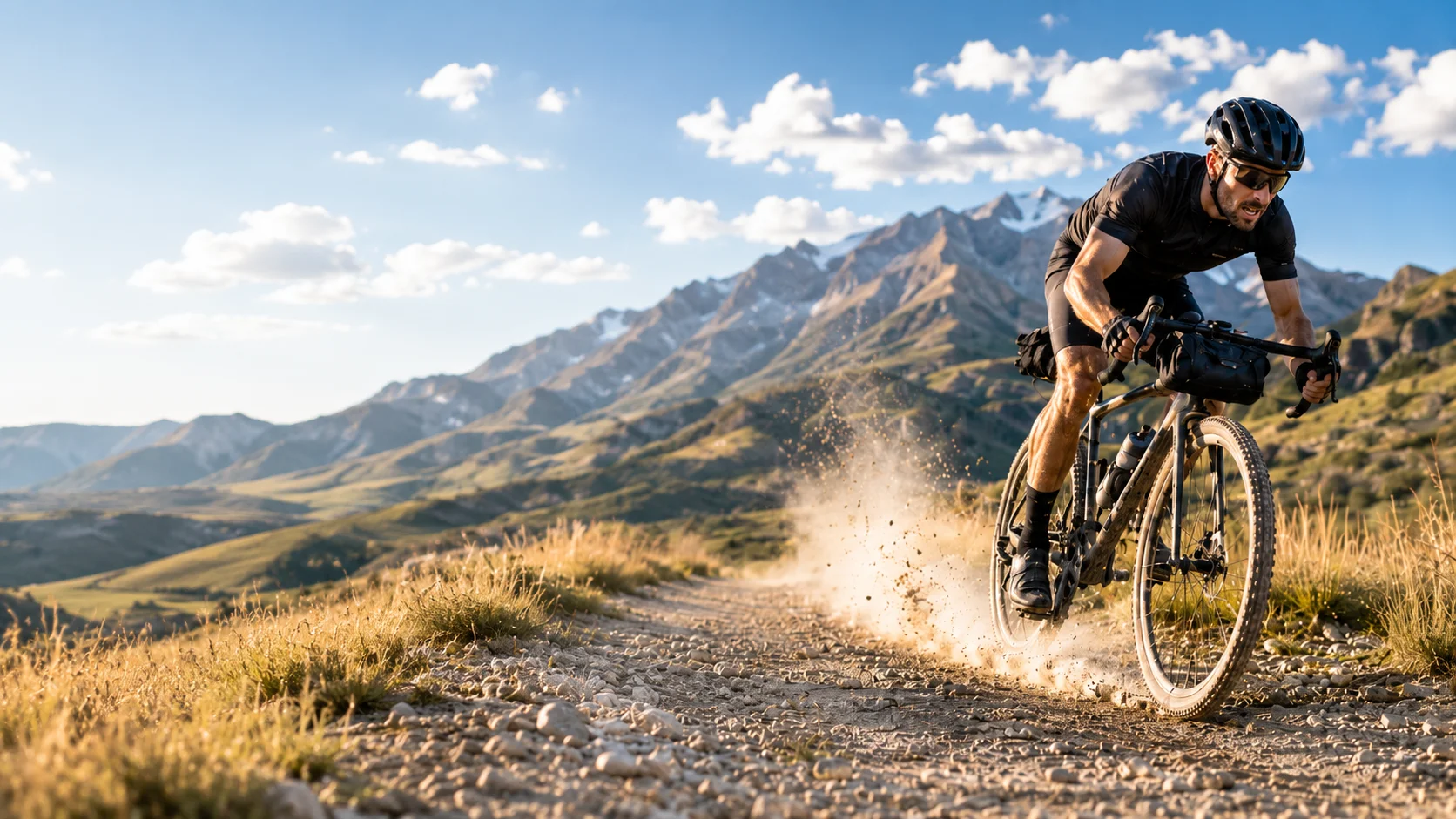
Shoes, helmets, bikepacking bags, clothing and accessories for your gravel season, plus three routes you could ride this weekend.
Gravel riding is the freest way to cycle. Turn off on a whim, take the prettier track and ride where no car disturbs the peace. Once you have a taste for it, sooner or later you will strap a sleeping bag and tent to the bike and turn a ride into a proper bikepacking trip.
Here is the kit that makes long gravel days work, plus three good routes in Germany and Austria you can ride straight away.
Shoes and socks
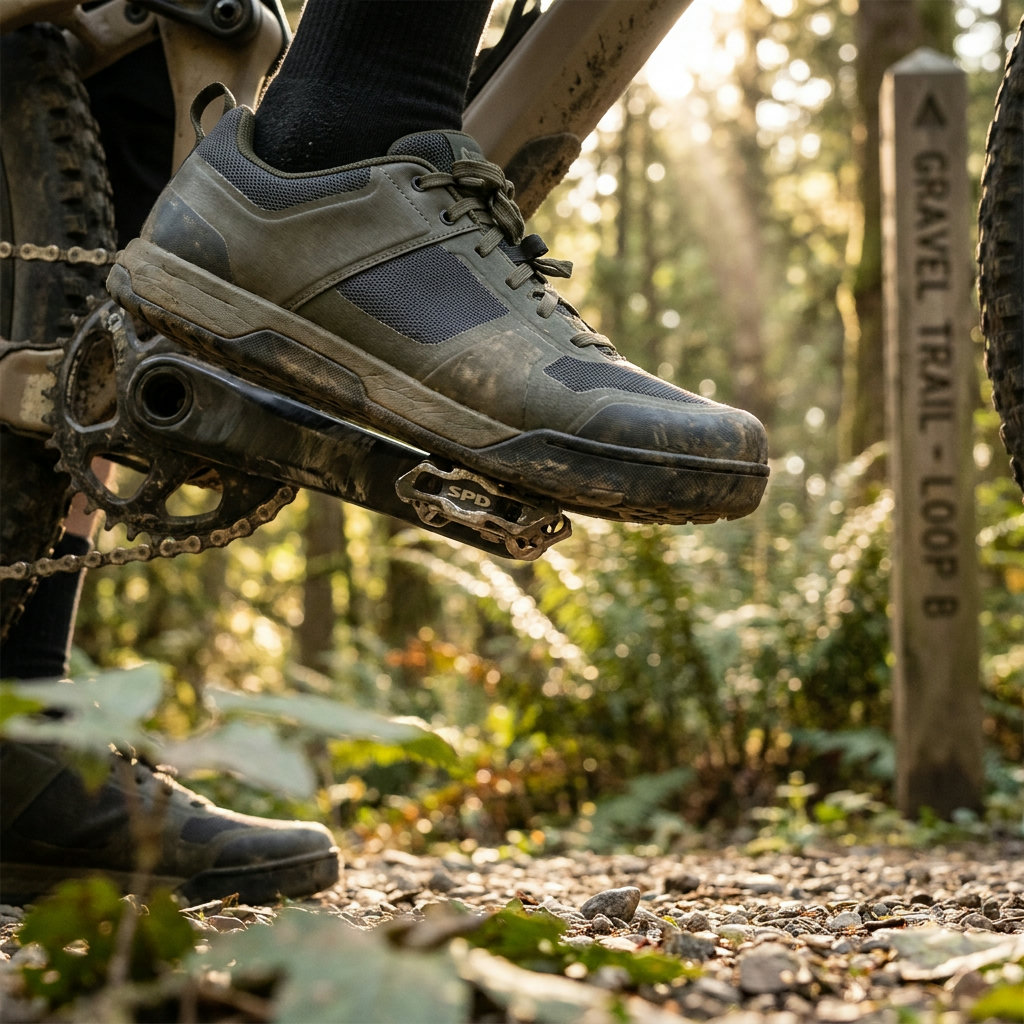
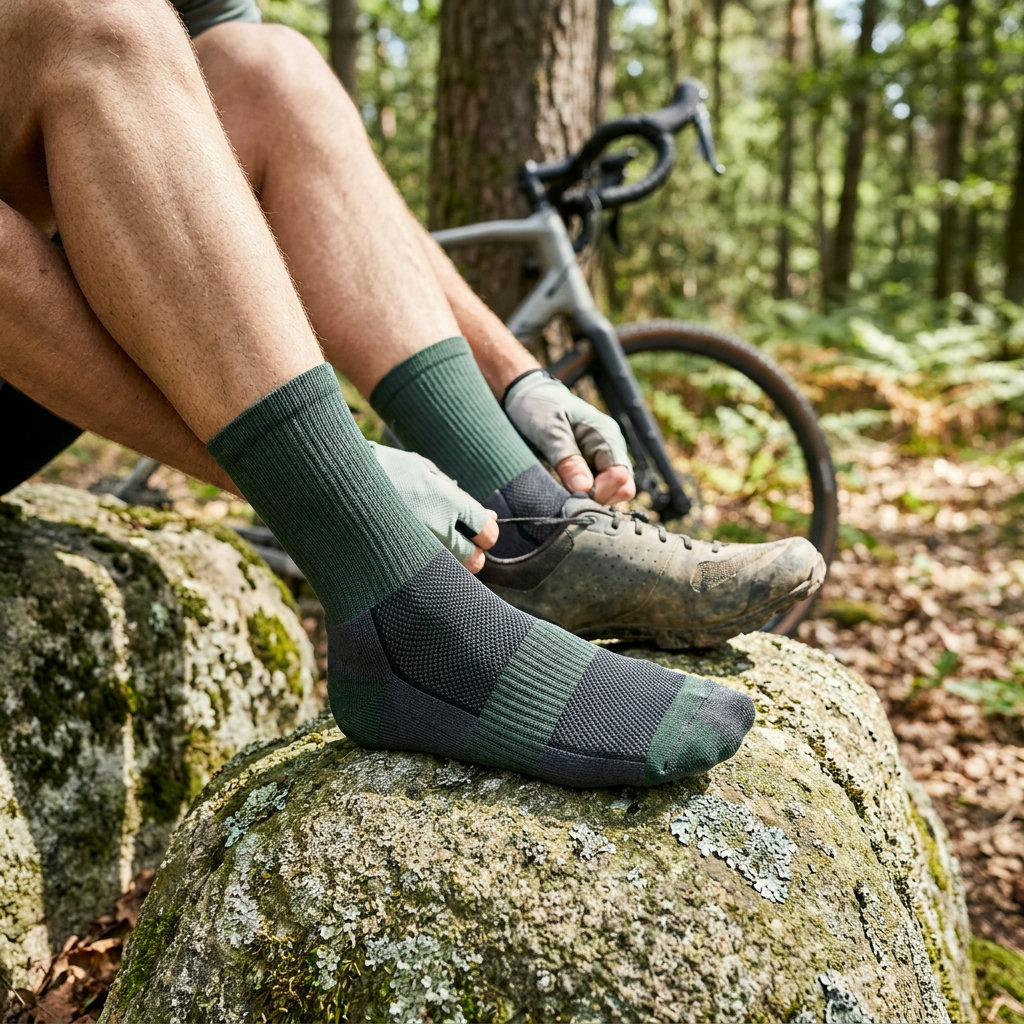
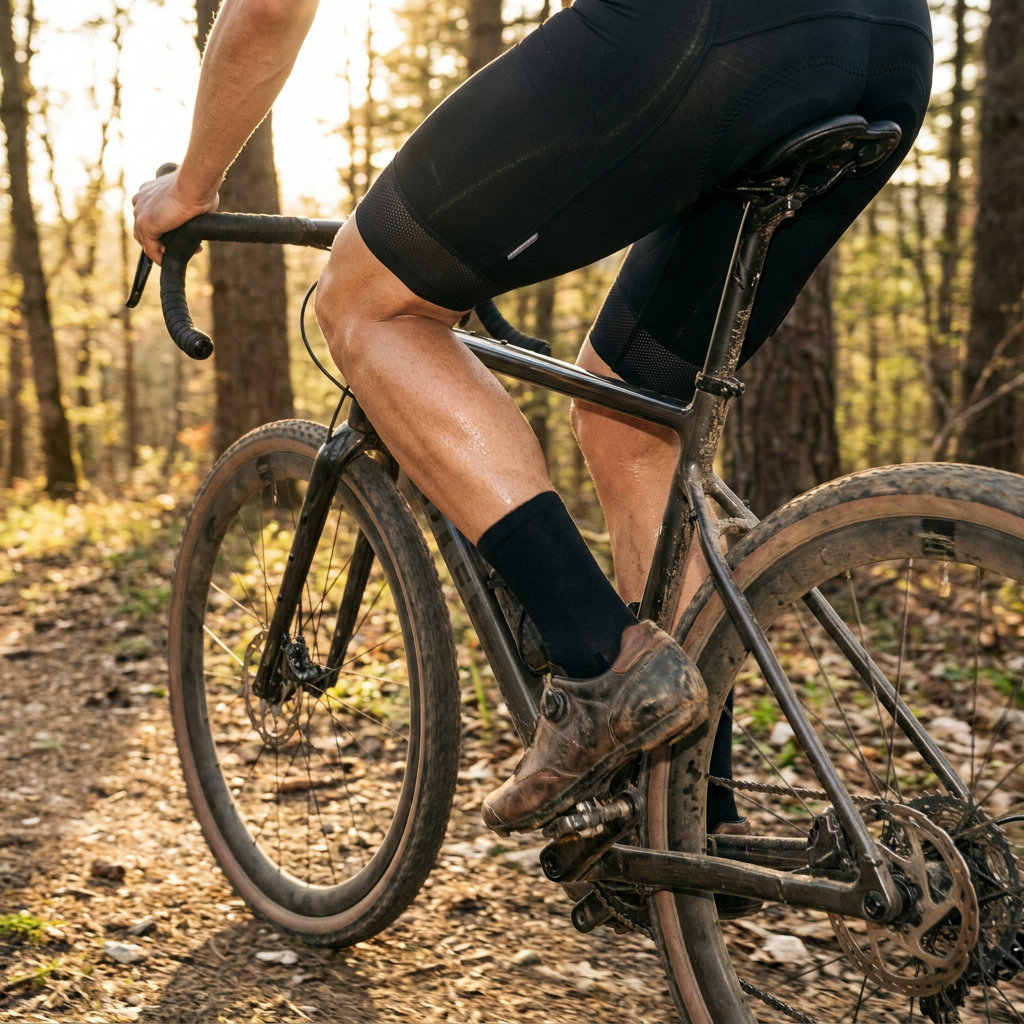
On a gravel bike, your soles help decide whether a long day runs smoothly. A stiff plate transfers power cleanly while you pedal, and a grippy tread helps when you end up pushing the bike after all. Clipless or flat pedals? Mostly a question of riding style. Both work on gravel. What goes inside the shoe matters just as much: technical socks wick moisture away and sit without creases, so you avoid pressure points and blisters even after hours in the saddle.
Helmets, glasses and gloves
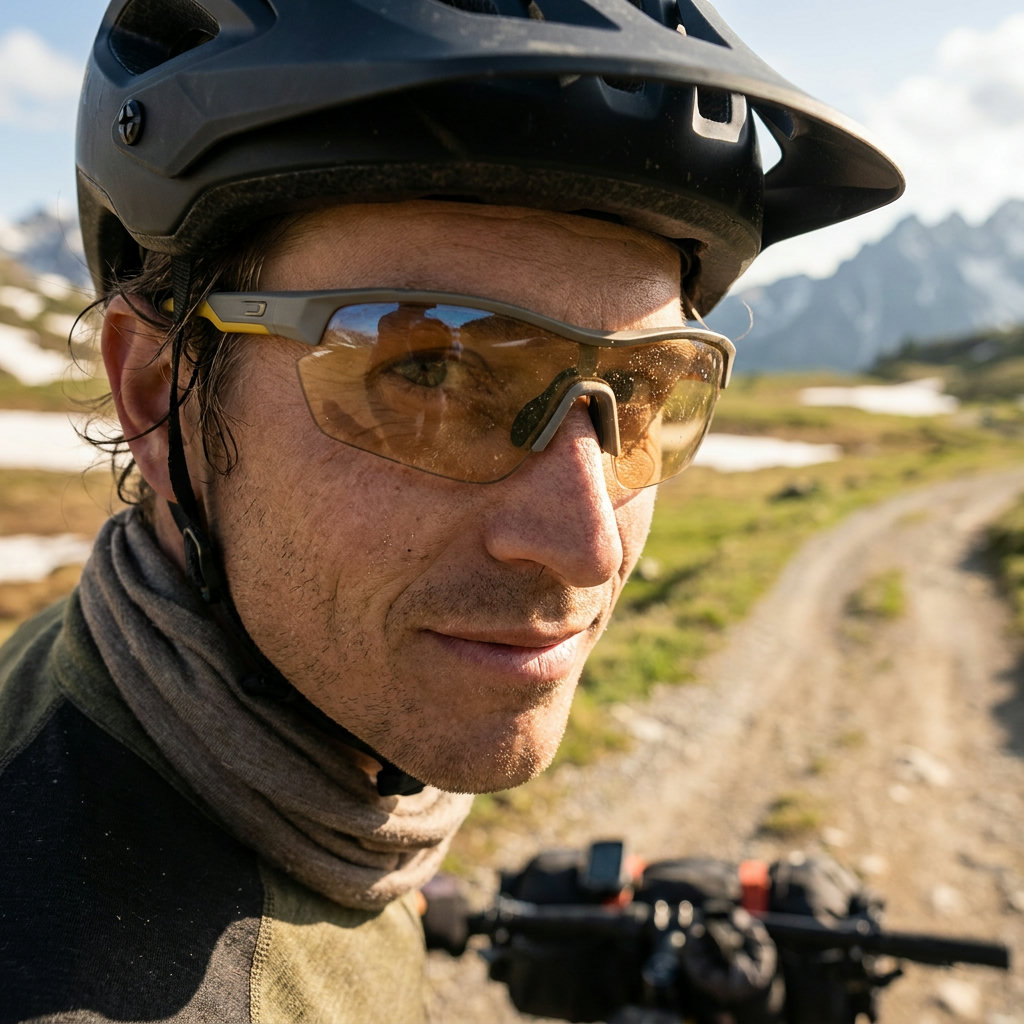
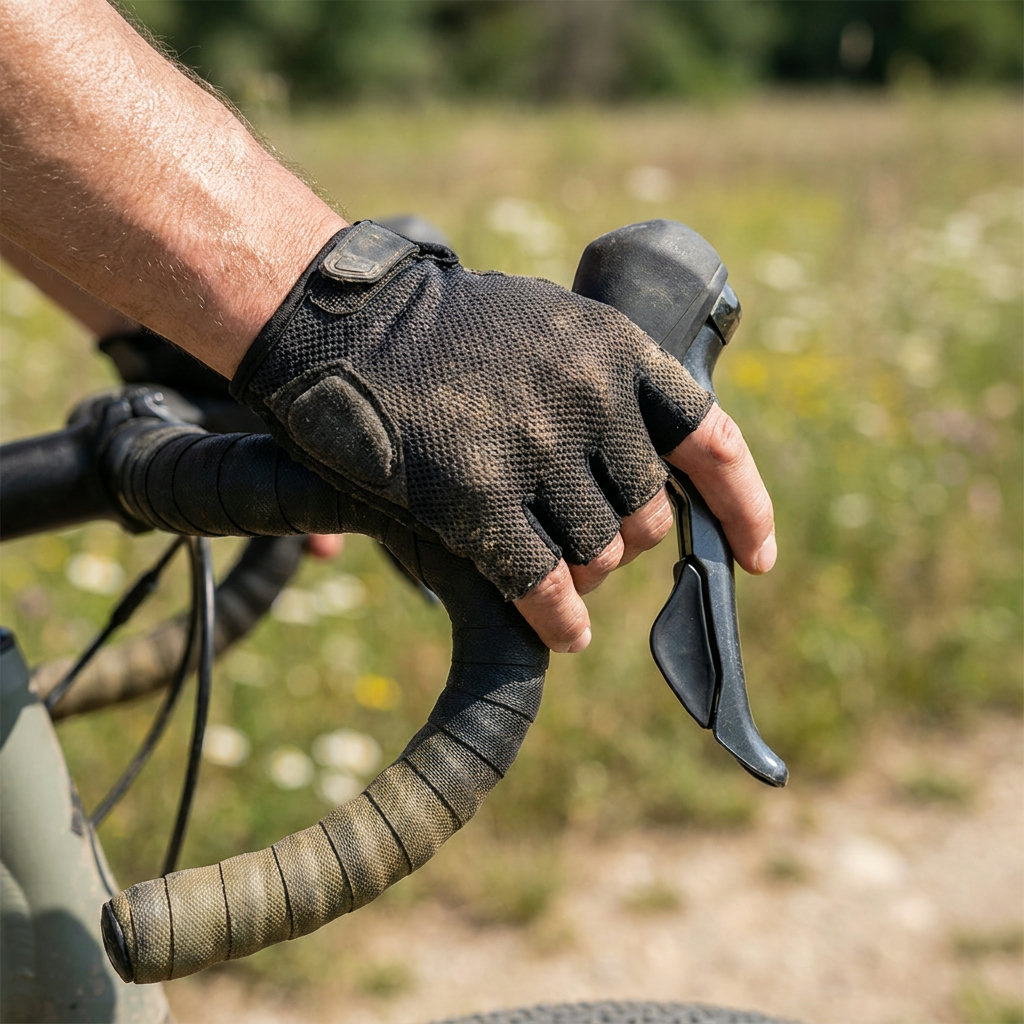
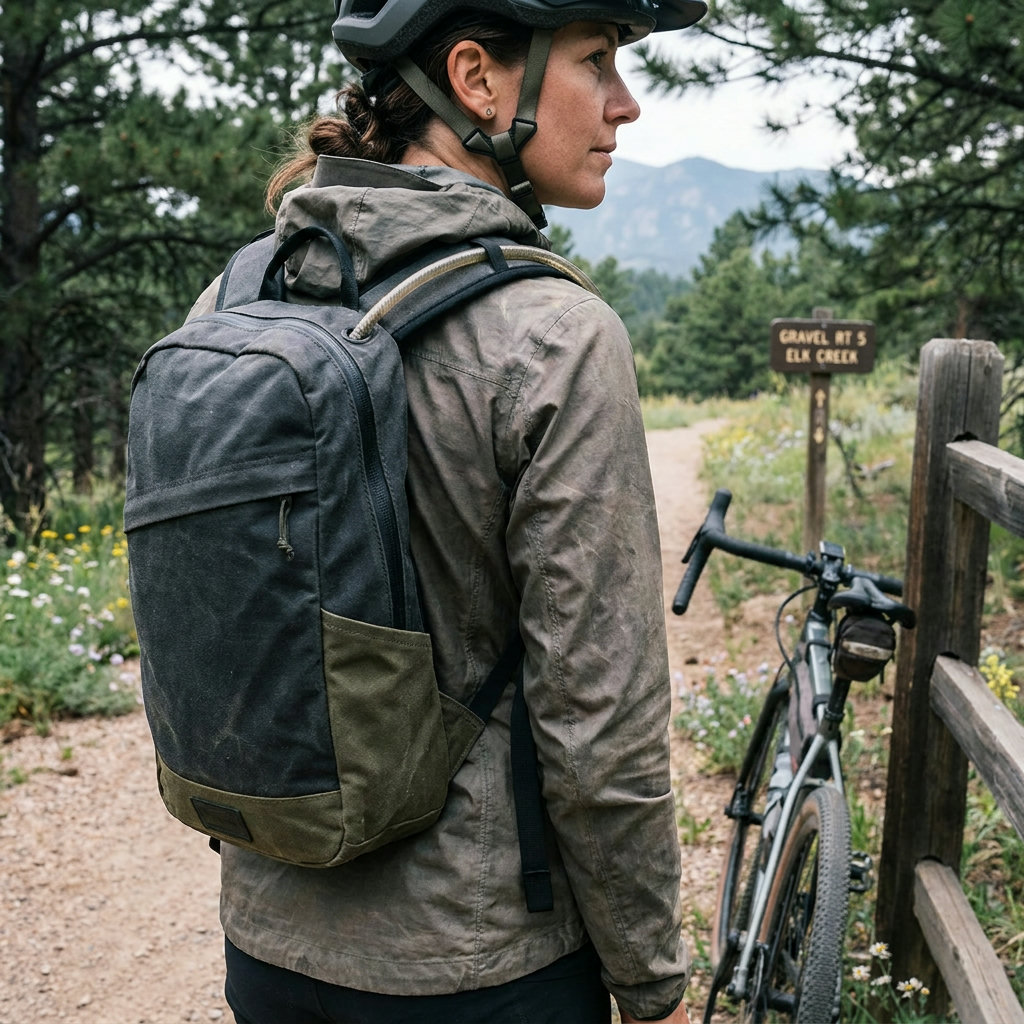
A good gravel helmet combines ventilation and aerodynamics: cool on long climbs, streamlined and quiet on descents. The right glasses keep sun, insects and flying grit out of your eyes. And cycling gloves keep the handlebars firmly in your hands, even after hours on gravel.
Bags and bikepacking gear
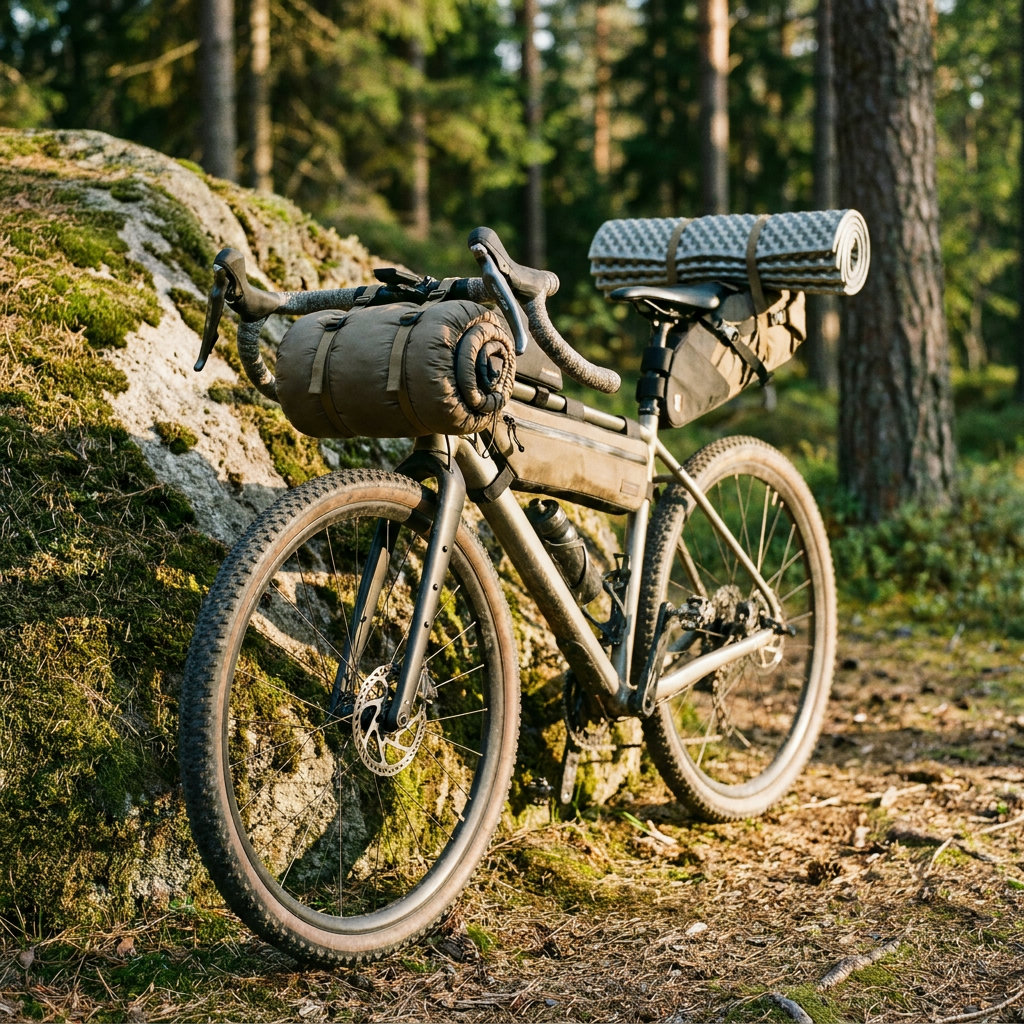
If you are out for longer, you need well-planned storage. A frame bag, saddle bag and handlebar roll spread your kit evenly across the bike. Add a sleeping bag, sleeping mat and lightweight tent and you have a proper bikepacking setup. Pack with a system and life gets easier: heavy items low and central in the frame, sleeping gear at the back, snacks and tools where your hand finds them quickly. The bike stays balanced, and you won't have to unpack everything at every stop.
Sleeping bags, mats and pillows
A bed in the woods, comfortable and compact.
Discover ↗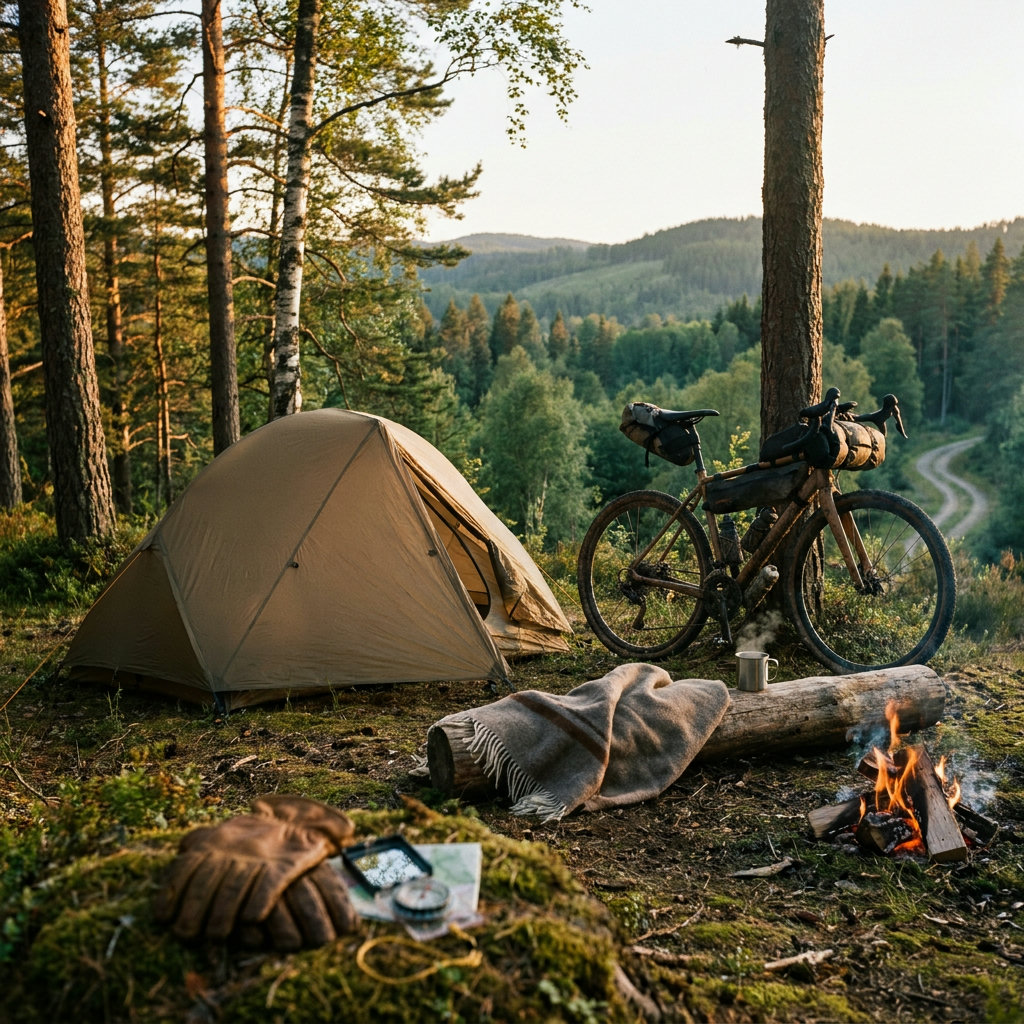
Clothing
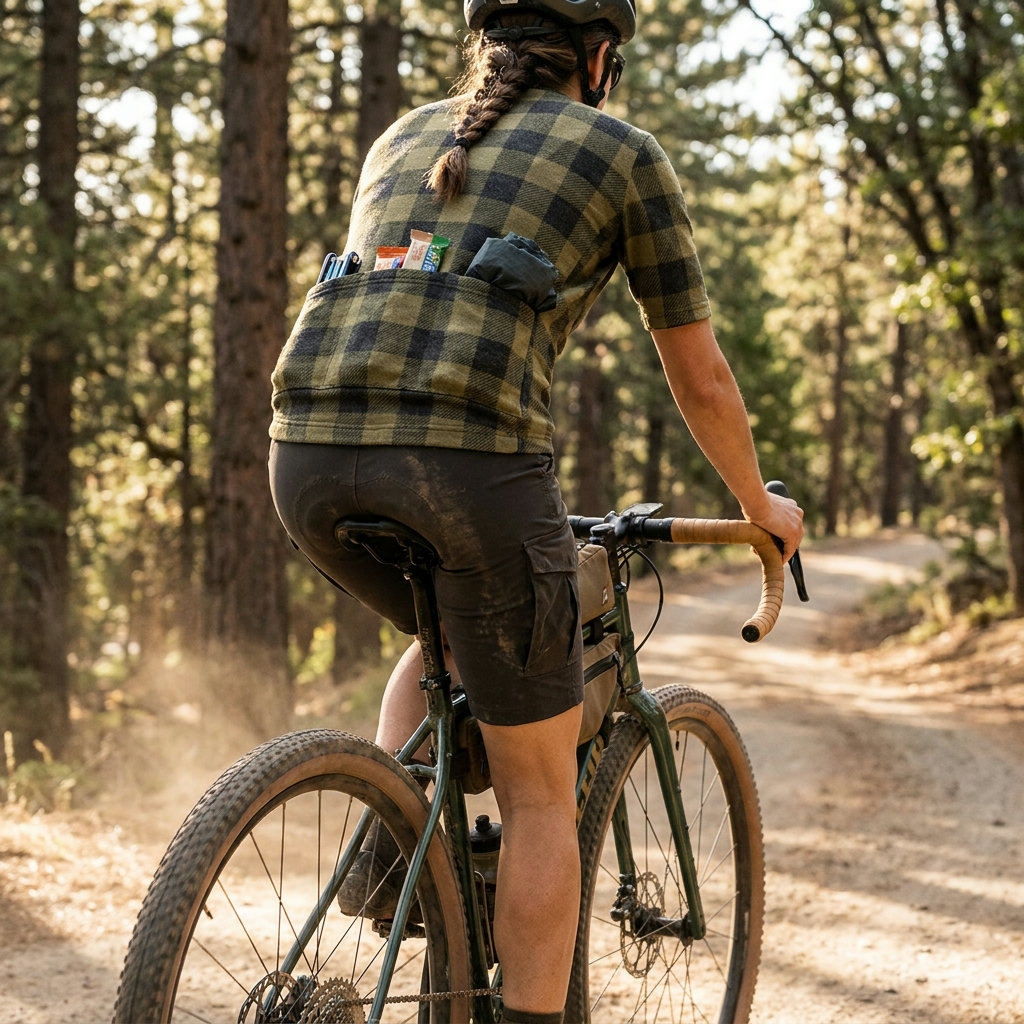
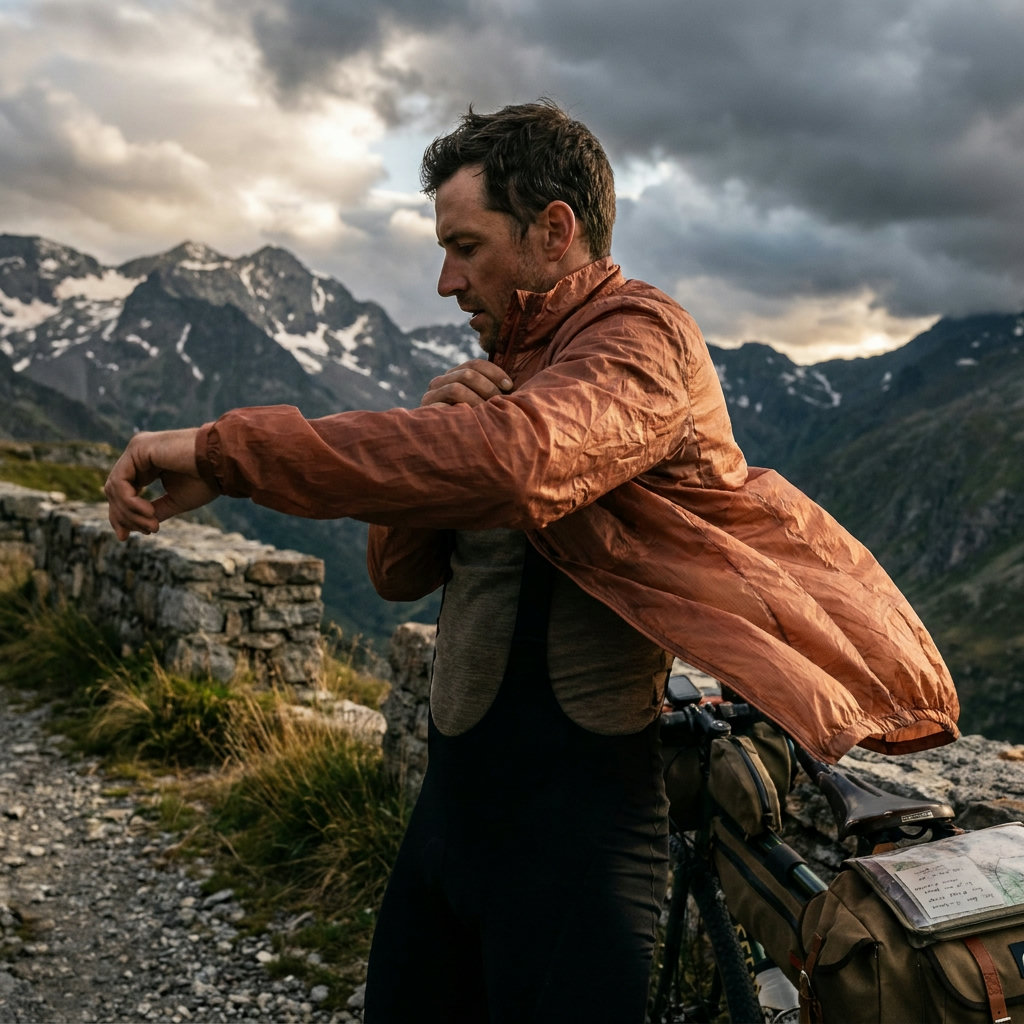
A gravel day can drag on: four hours in the saddle, a quick rain shower in between, then a helping of headwind on the pass. Your clothing has to work, no compromises. A jersey with rear pockets holds bars and keys, padded bib tights make long stages more comfortable, and a wind jacket that packs down small is quickly to hand when the weather turns.
Accessories
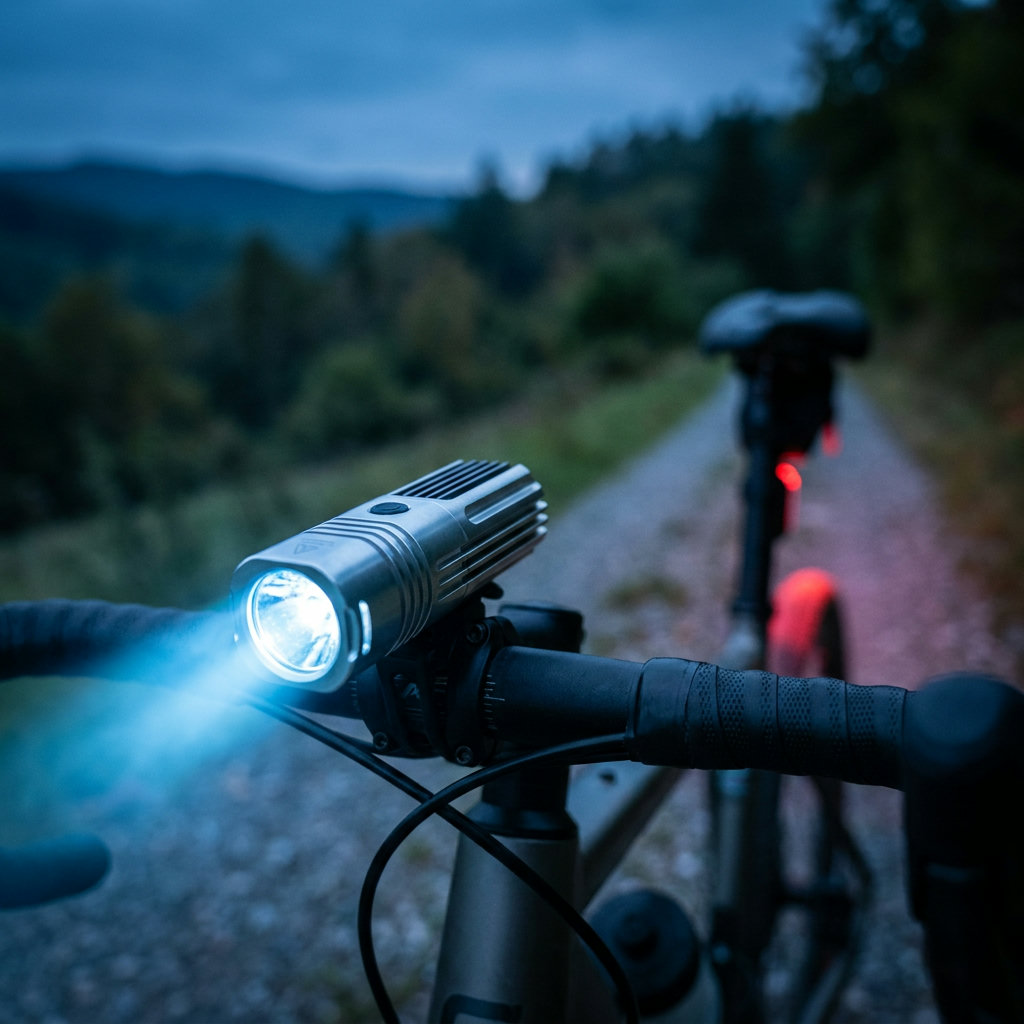
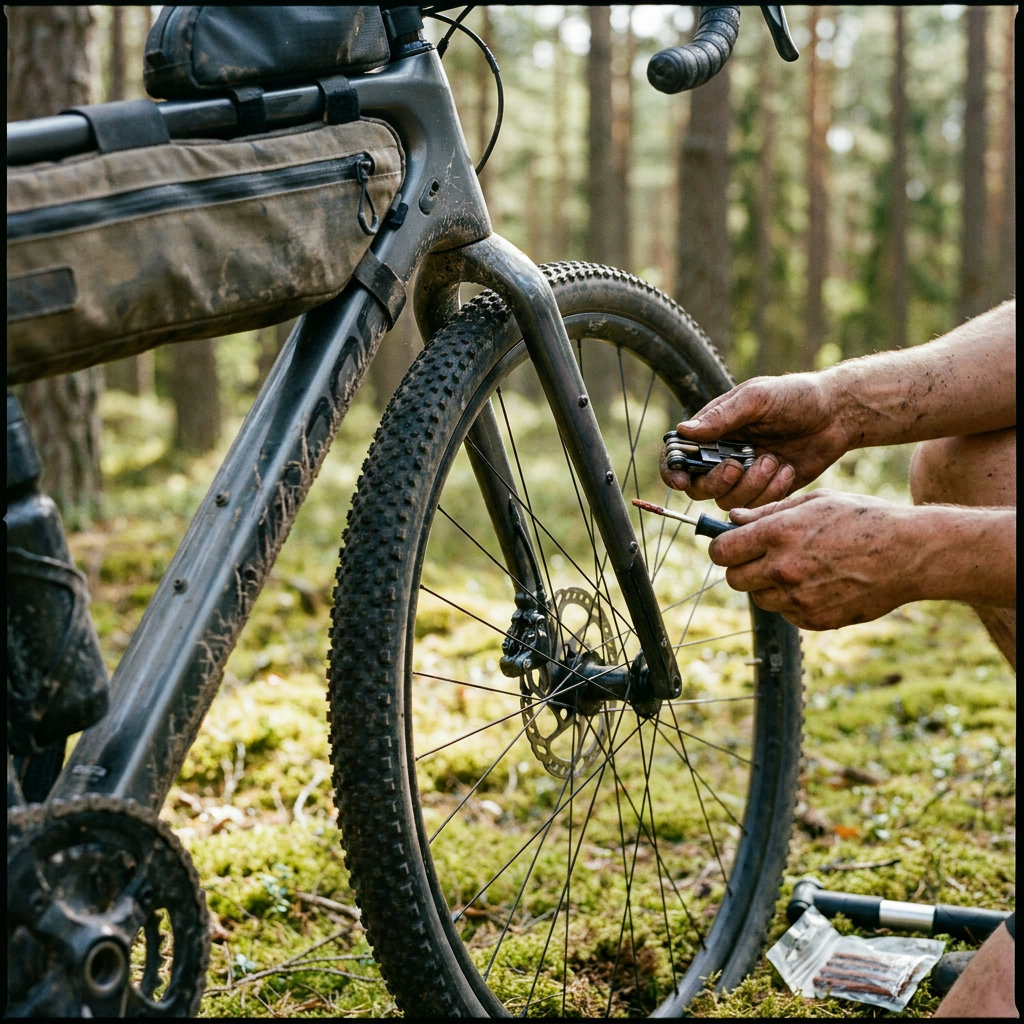
Pump, multitool, lights, water bottle: you only miss these things when they are not there. On longer rides, a little redundancy pays off. A second inner tube or an extra tyre plug weighs next to nothing but can spare you a long, frustrating walk to the nearest bike shop.
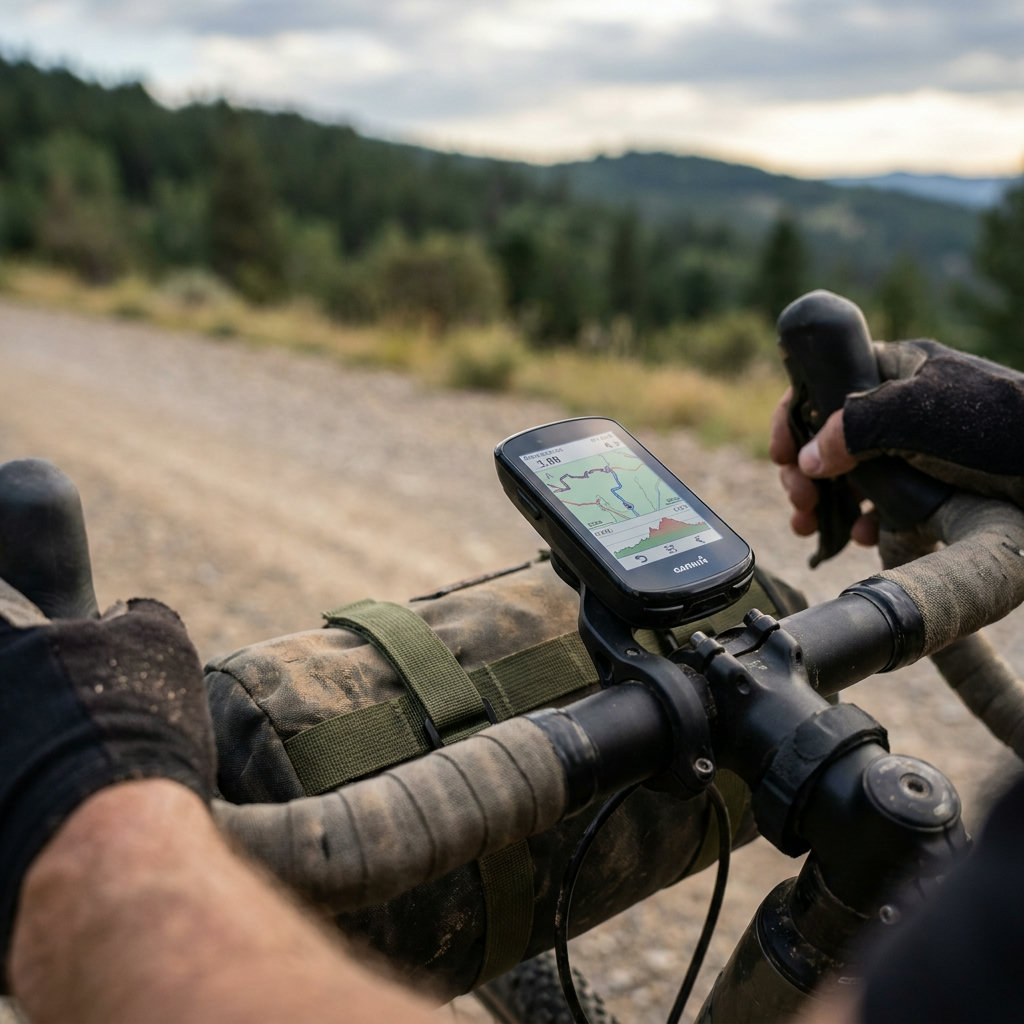
Route ideas
Which leaves the question of where to ride. These three routes run through Germany and Austria and show how varied gravel riding can be, from Alpine views to vineyards and volcanic landscapes:
| Tour | Region | Distance | Elevation gain | Character |
|---|---|---|---|---|
Inntal Gravel Loop | Bavaria (Germany)/Austria | Approx. 80 km | 900 m | Alpine views and quiet side tracks along the Inn. Classic gravel riding at the foot of the Alps. |
Saale-Unstrut Gravel | Saxony-Anhalt/Thuringia (Germany) | Approx. 70 km | 500 m | Gravel through wine-growing country, sandstone paths and historic villages. |
Eifel Gravel Circuit | North Rhine-Westphalia/Rhineland-Palatinate (Germany) | Approx. 90 km | 1,100 m | Volcanic landscape, maars and long descents on forest roads. Technically demanding. |
Three tours at a glance
Route planned, kit packed. All that's left is to get on the bike and go. If you'd rather browse first, you'll find everything in one place in the bike range.
Everything for your next gravel day
From helmets to multitools: the bike range has all the kit for your gravel days.
Browse the bike range ↗Frequently asked questions
What makes gravel different from road cycling and MTB?
Gravel bikes pair road-bike geometry with wider tyres (usually 38–50 mm), disc brakes and a slightly more relaxed position. On tarmac they roll almost as fast as a road bike, yet they handle gravel, farm tracks and easy singletrack where a road bike gives up. Unlike a mountain bike, they have no suspension, which keeps the weight down and the range up.
Do I need clipless pedals for a gravel bike?
Not necessarily. Clipless pedals give you efficient power transfer and a secure connection on long stages, while flat pedals let you get off quickly on technical sections or at level crossings. For beginners and bikepacking trips with lots of stops, flats with grippy trail shoes are often enough. More ambitious riders switch to SPD pedals.
Which bikepacking bags do I need for a weekend trip?
For two to three days, three bags usually do the job: a frame bag for tools, snacks and your wallet, a saddle bag for spare clothes and a sleeping bag, and a handlebar roll for a tent or sleeping mat. Dry bags inside keep everything dry.
How wide should gravel bike tyres be?
It depends on the surface. For firm gravel tracks with some tarmac, 38–42 mm is enough. On rough ground, 45–50 mm gives you more comfort and grip. Run tubeless and you can drop the pressure further, which soaks up vibration and makes long gravel days more comfortable.
More from the magazine
Ride ideas, routes and background on all things cycling.
Inspiration, knowledge and gear for people who want more from the outdoors.