
Buying Guides
Fjällräven: Swedish outdoor heritage since 1960
From a basement in northern Sweden to G-1000 and the Kånken: we look at Fjällräven’s history and a selection of its products.
Watch the article video
Fjällräven at a glance
- 01
Founded in Sweden in 1960, today one of the most popular outdoor brands worldwide
- 02
G-1000 fabric since 1968: you adapt it yourself with Greenland Wax
- 03
Kånken rucksack: a success story for more than 45 years, originally designed to prevent back pain
- 04
PFAS phase-out started in 2009 and completed in 2015, according to the brand
- 05
A broad range, from urban rucksacks to the alpine Bergtagen collection
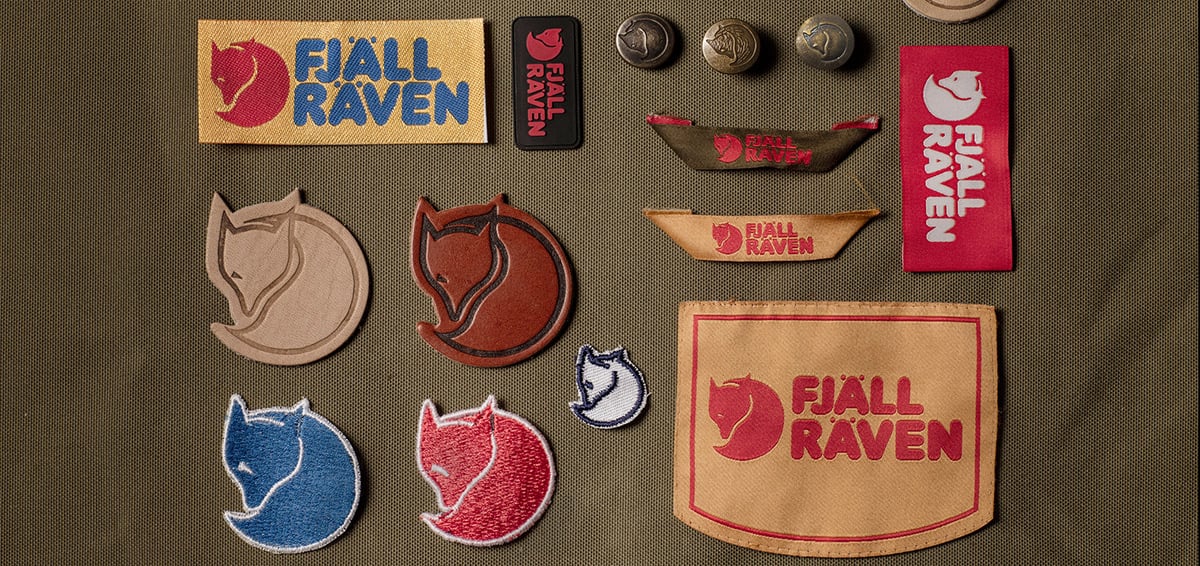
Fjällräven is one of those brands you recognise straight away. The little fox in the logo, the distinctive colours, the unmistakable G-1000 fabric. There is more behind the Swedish brand than clever branding, though: a history of solving real problems, and the brand’s stated aim of making products you can use for many years.
Here is what defines Fjällräven, which collections it offers and who it suits best.
The story: from Scout to outdoor pioneer
In 1950, 14-year-old Åke Nordin from Örnsköldsvik in northern Sweden was fed up. As a Scout, he struggled with the shapeless rucksacks of the day, which forced everyone who carried one to stoop. His solution: a home-made rucksack with a wooden frame, sewn on his mother’s Singer sewing machine.
Ten years and countless prototypes later, in 1960, Åke founded Fjällräven in his parents’ basement. The name is Swedish for Arctic fox. The first product he sold was a rucksack with an aluminium frame that spread the load evenly across the back.
Milestone followed milestone: the groundbreaking two-layer tent in 1964, the legendary G-1000 fabric and the Greenland Jacket in 1968, the Kånken rucksack in 1978. Each one started with a concrete problem. None of them was pure marketing.
G-1000: the heart of the brand
G-1000 is what sets Fjällräven apart. The tightly woven fabric of 65% polyester and 35% cotton was created in 1968 from leftover tent material, and it is still the backbone of almost every Fjällräven product today.
What makes G-1000 special is that you can adapt it to your needs with Greenland Wax. Rub in the beeswax and paraffin blend and iron it in, and the fabric becomes more water-repellent, more windproof and, according to Fjällräven, more hard-wearing. Less wax means more breathability. You decide what you need.
| Variant | Feature | Ideal for |
|---|---|---|
G-1000 Original | The classic since 1968 | All-round outdoor use |
G-1000 Heavy Duty | Pre-waxed on both sides, extra robust | Bushcraft, hunting |
G-1000 Eco | Recycled polyester + organic cotton | If you want recycled polyester |
G-1000 Lite | Lighter, thinner | Summer, warm conditions |
G-1000 Air | Maximum breathability | High-intensity activities |
The 2026 collections: from urban to alpine
Over the years, Fjällräven has broadened its range considerably. Every collection has a clear focus, from relaxed walks around town to alpine expeditions above the tree line.
| Collection | Focus | Typical products | Price range |
|---|---|---|---|
Bergtagen | Alpine performance above the tree line | GTX Pro jackets, ski touring rucksacks | €400–900 |
Keb | Technical trekking in demanding terrain | Hybrid jackets, stretch trousers | €200–500 |
Abisko | Lightweight trekking, packable gear | Lightweight rucksacks, trekking tights | €100–300 |
Greenland | A timeless classic for everyday life and adventure | Greenland Jacket, jeans | €150–400 |
Kånken | Urban lifestyle, school, travel | Rucksacks in many sizes and colours | €80–150 |
Vardag | Scandinavian everyday chic | Parkas, daypacks | 150–300 euros |
Image currently unavailable.
Image currently unavailable.
Image currently unavailable.
Image currently unavailable.
PFAS-free, traceable down and Pre-Loved
According to Fjällräven, the company began phasing out per- and polyfluoroalkyl substances (PFAS) in 2009 and completed the phase-out in 2015. The brand also says its down has been 100% traceable since 2014 and comes exclusively from by-products of the food industry.
Fjällräven describes its products as made to last for generations: timeless design, materials intended for long use, and repairability that, according to the brand, is built in from the start. For second-hand products from its Pre-Loved programme, Fjällräven gives a carbon footprint that is 82% lower.
Through the Arctic Fox Initiative, Fjällräven also supports environmental projects around the world, funded by special products such as the Kånken Rainbow.
Who is Fjällräven the right choice for?
Fjällräven suits you if...
- 1
You want gear you can use for years
you get products made from tightly woven G-1000 in a timeless design
- 2
You are looking for an adaptable material
the G-1000 system with Greenland Wax is unusually flexible
- 3
PFAS-free gear matters to you
Fjällräven says it began phasing out PFAS in 2009 and completed this in 2015
- 4
You want an urban rucksack with outdoor quality
the Kånken is a timeless classic
- 5
You need ultralight performance gear
other brands may suit you better, because Fjällräven puts robustness ahead of minimum weight
Right for you if …
Outdoor enthusiasts who appreciate timeless design, city dwellers who love the outdoors, anyone who would rather buy one good piece than replace things often
Probably not for you if …
Gram-counters chasing every last bit of weight, and bargain hunters after the lowest price
Our picks to get you started
Frequently asked questions about Fjällräven
Frequently asked questions
Why is Fjällräven more expensive than other outdoor brands?
According to the brand, Fjällräven designs its products for long use, plans repairability from the start and relies on timeless design. The brand argues that the higher purchase price evens out over the years you use a product.
How often do I need to treat G-1000 with Greenland Wax?
Most products come pre-waxed. Top up the wax after two or three washes, especially in high-wear areas such as the shoulders, knees and seat. If you use the garment a lot in the rain, wax it more often.
Is the Kånken really good for your back?
The Kånken was designed in 1978 specifically to reduce back pain among Swedish schoolchildren. Its wide shoulder straps spread the weight evenly. For heavy loads over long distances, though, a trekking rucksack with a hip belt is the better choice.
Which Fjällräven collection is right for me?
For everyday use and travel: Kånken or Vardag. For classic hiking: Greenland or Abisko. For demanding trekking: Keb. For alpine tours and ski touring: Bergtagen.
What does PFAS-free mean at Fjällräven?
PFAS are per- and polyfluoroalkyl substances used in many outdoor products to make them water-repellent. They are harmful to the environment and build up in nature. According to Fjällräven, the brand began phasing them out in 2009 and completed this in 2015.
Inspiration, knowledge and gear for people who want more from the outdoors.