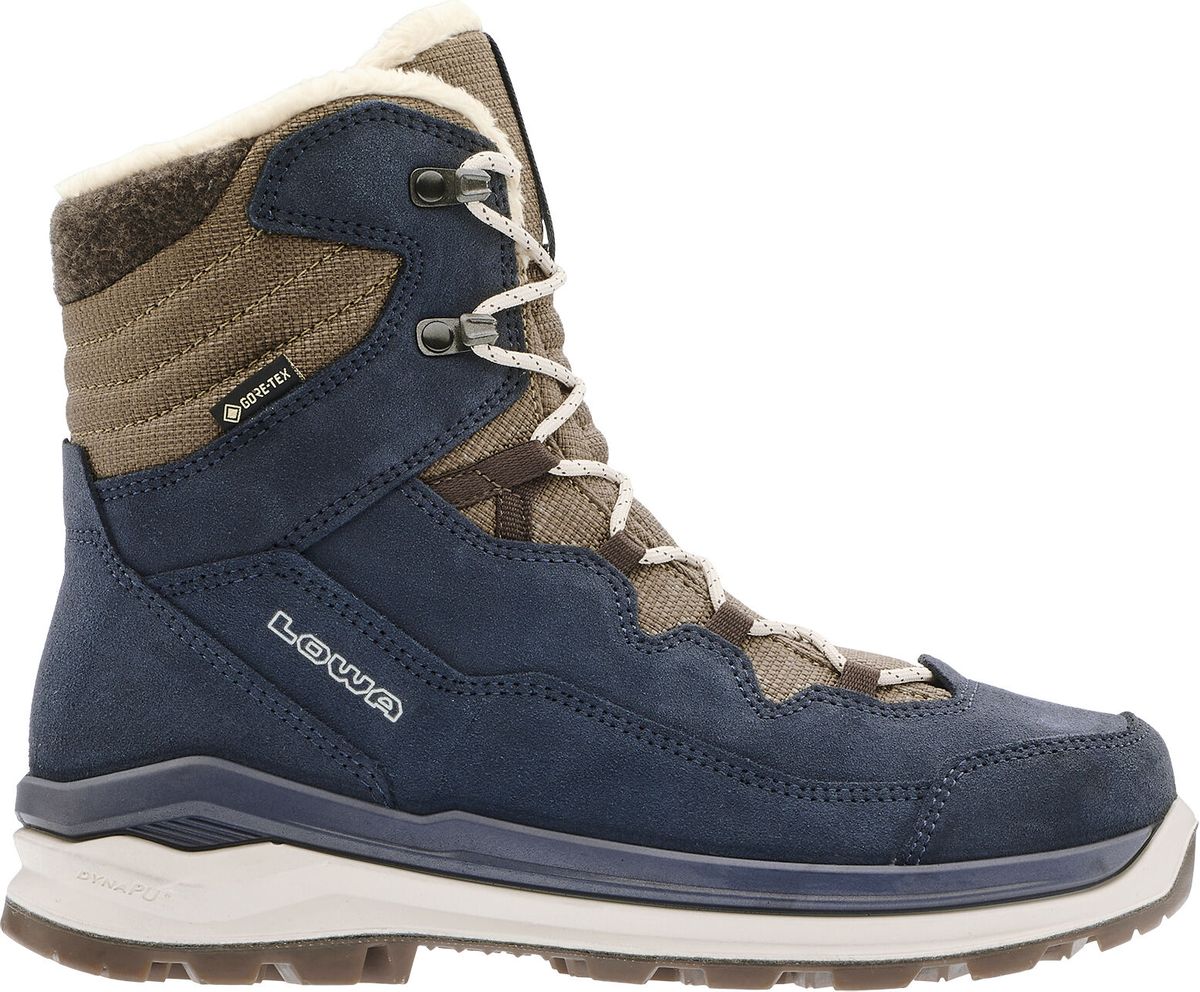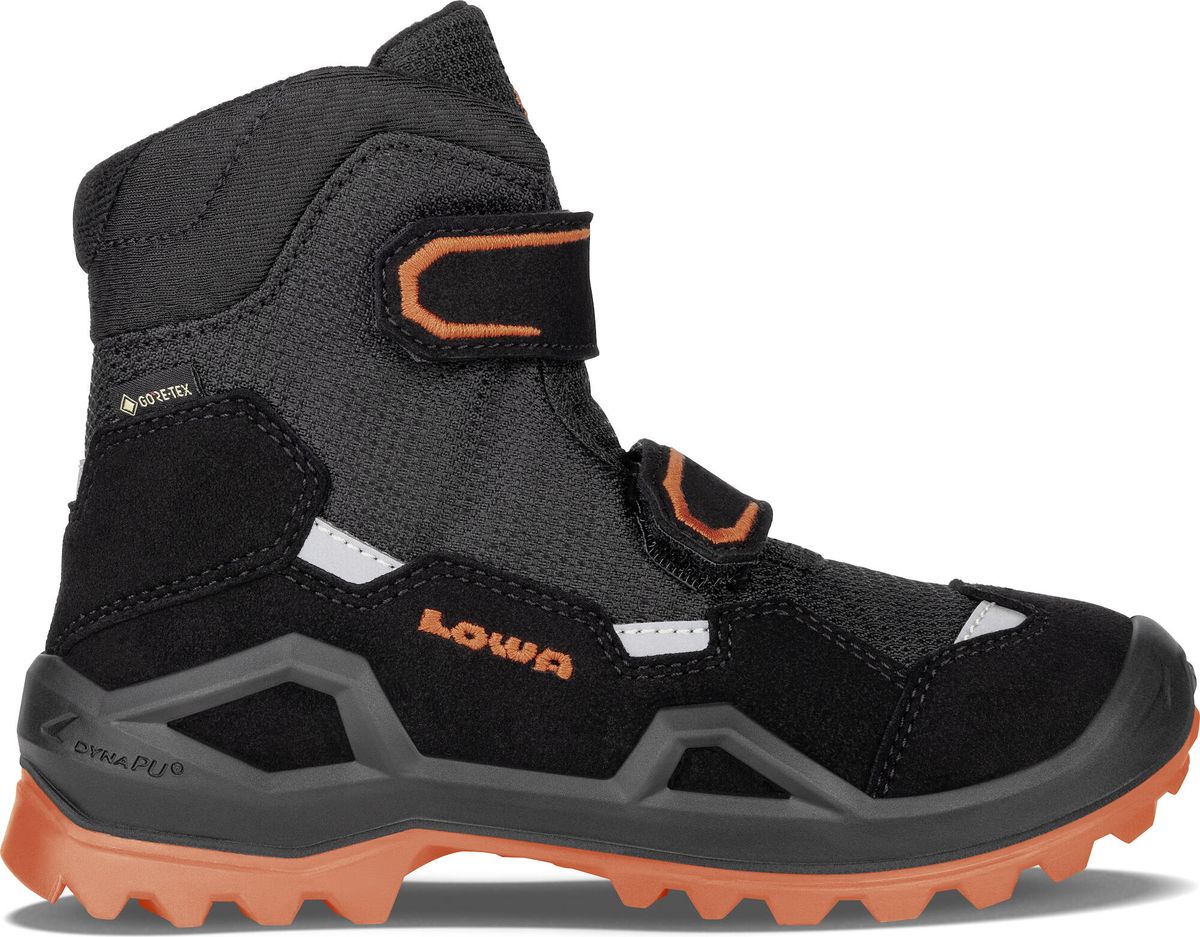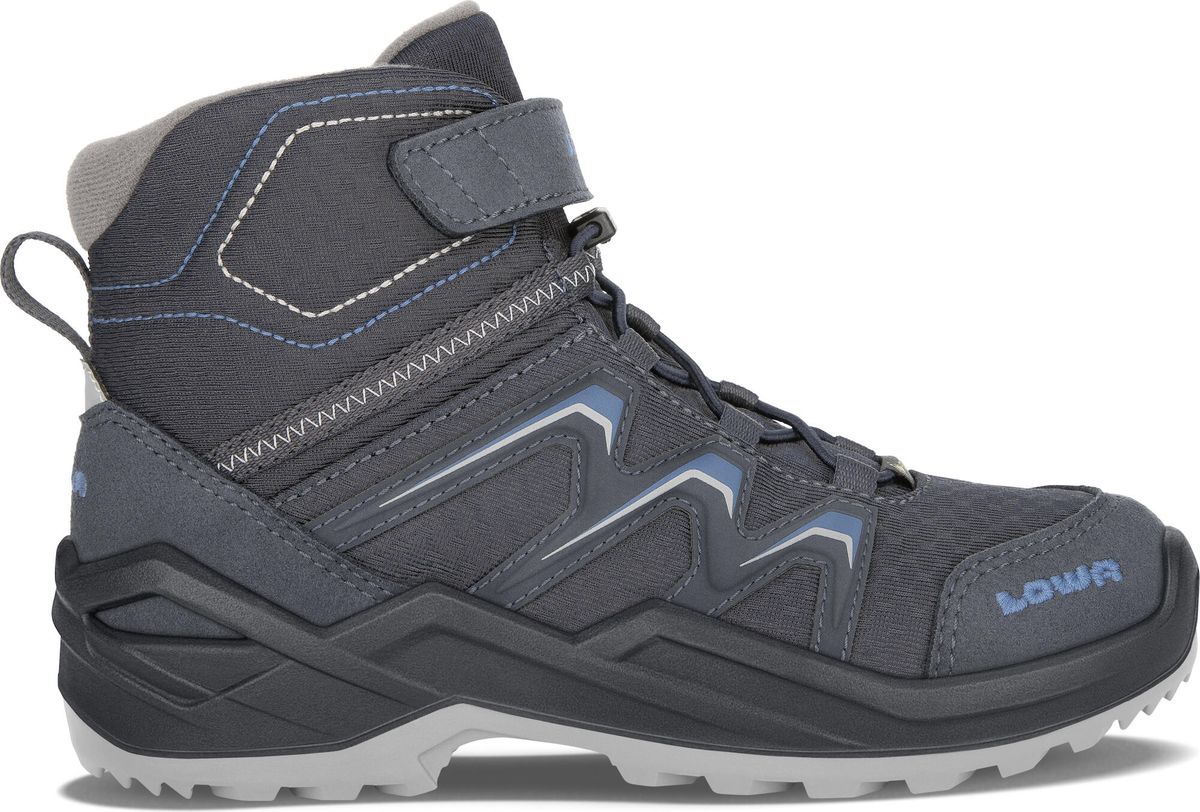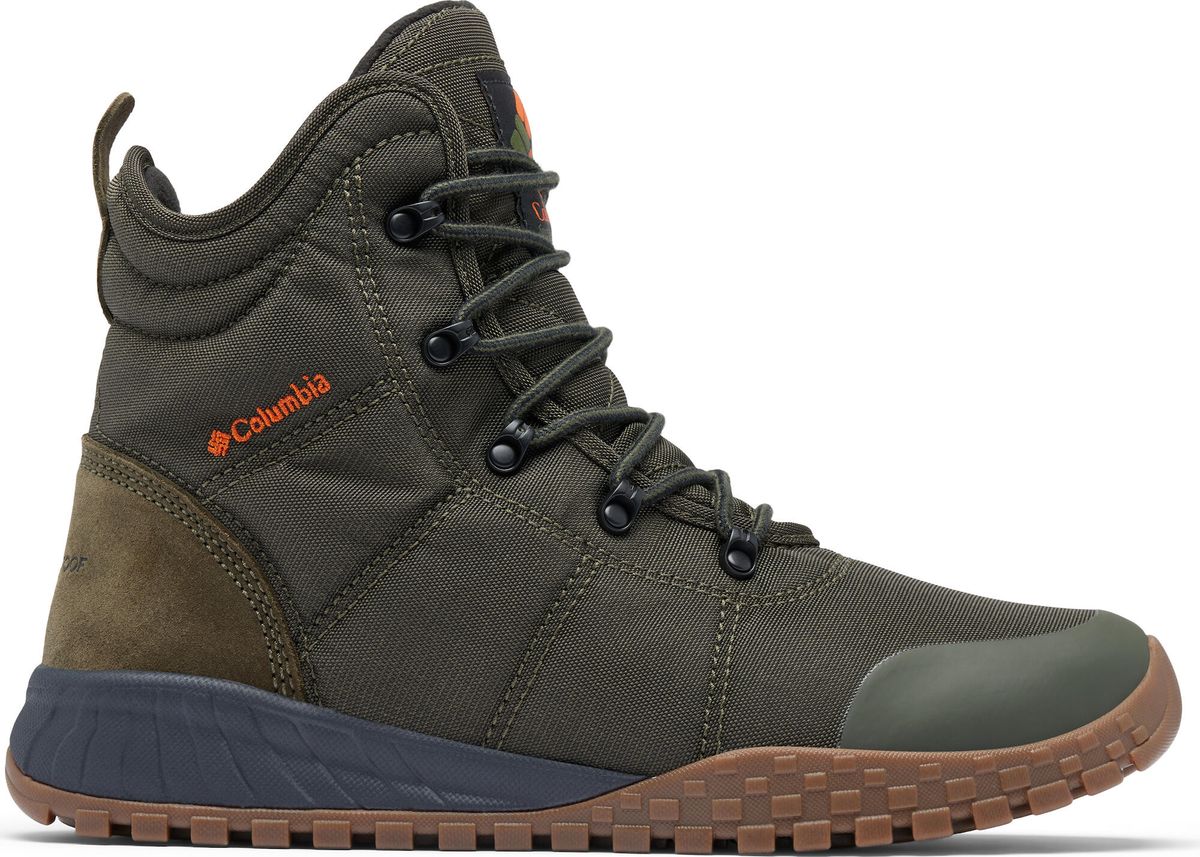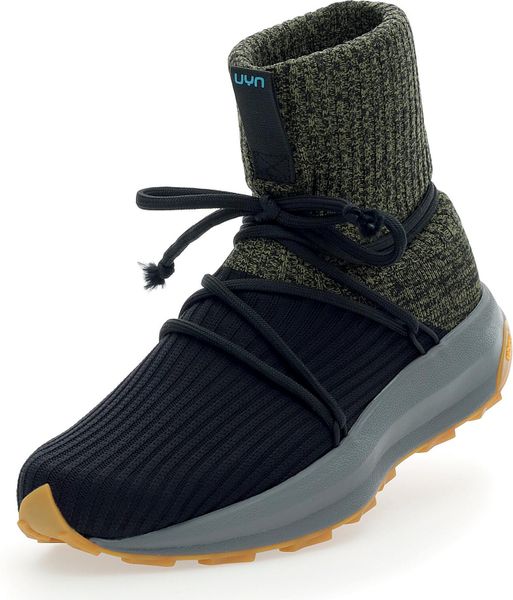
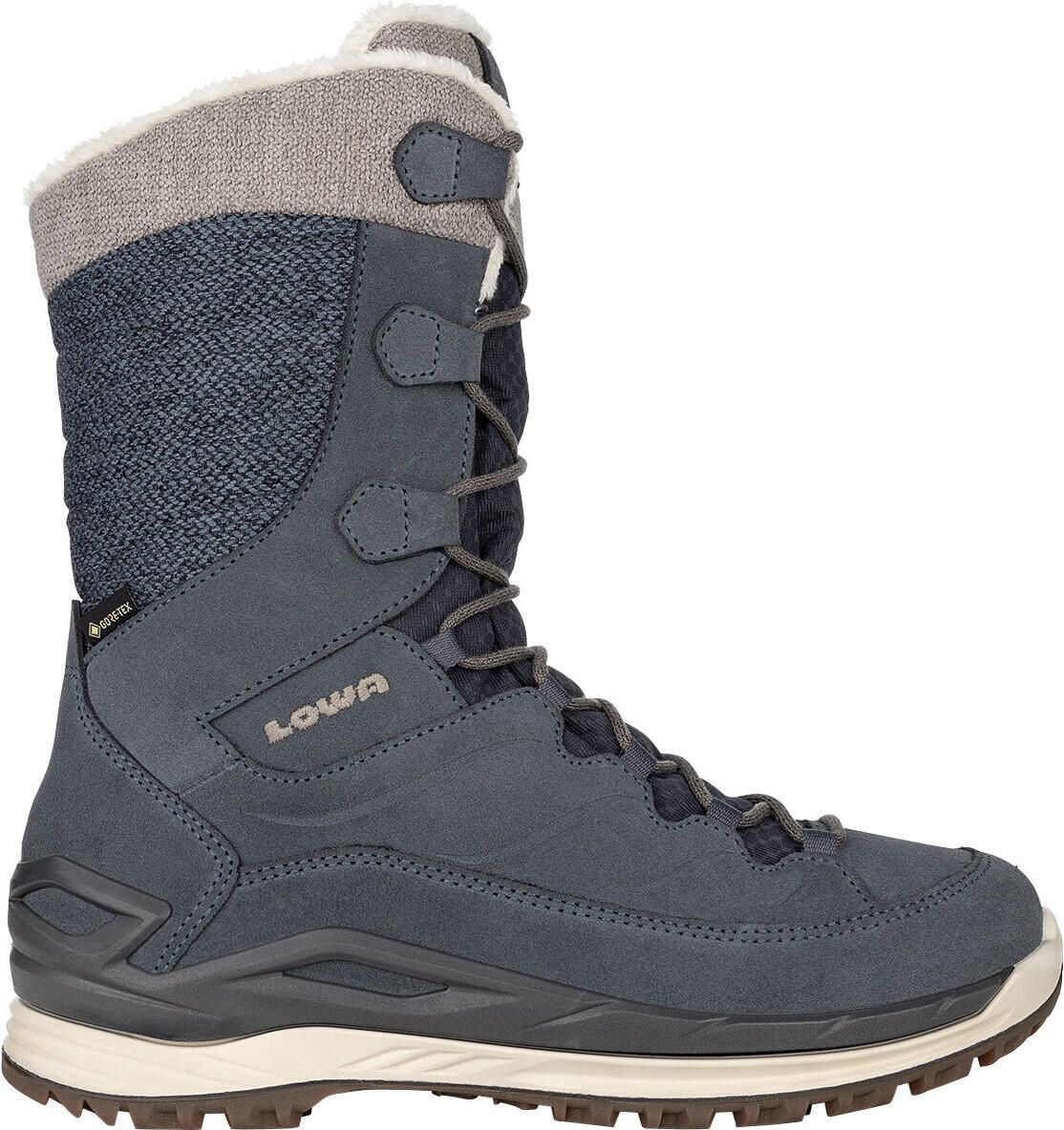
Quick to put onWomenBarina EVO GTX
Frost- Lining
- GORE-TEX warm lining
- Weather protection
- GORE-TEX® membrane
- Sole
- LOWA® AL-S V rubber outsole
- Fastening
- laces and side zip
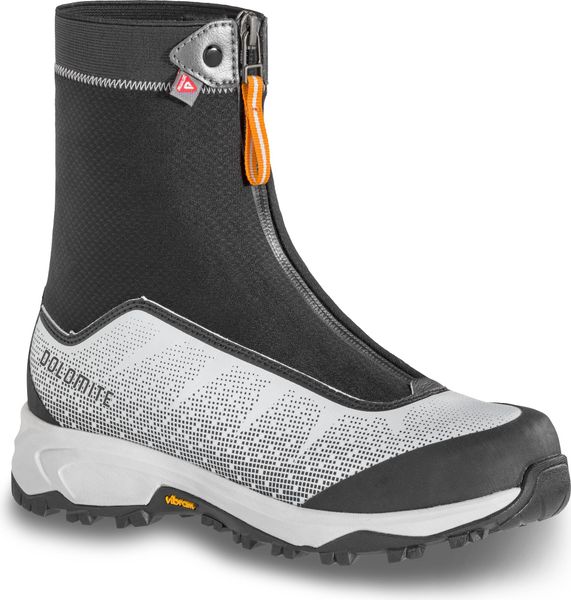
Calf-high winter boot with zip and warm lining
Buying advice
A winter boot needs to keep out the cold, keep moisture outside and provide grip on slippery paths. Find out which of our best-selling models suits you and your needs best in just four questions — or by chatting to our advisor.
The finder
Question 1 of 4
All winter boots
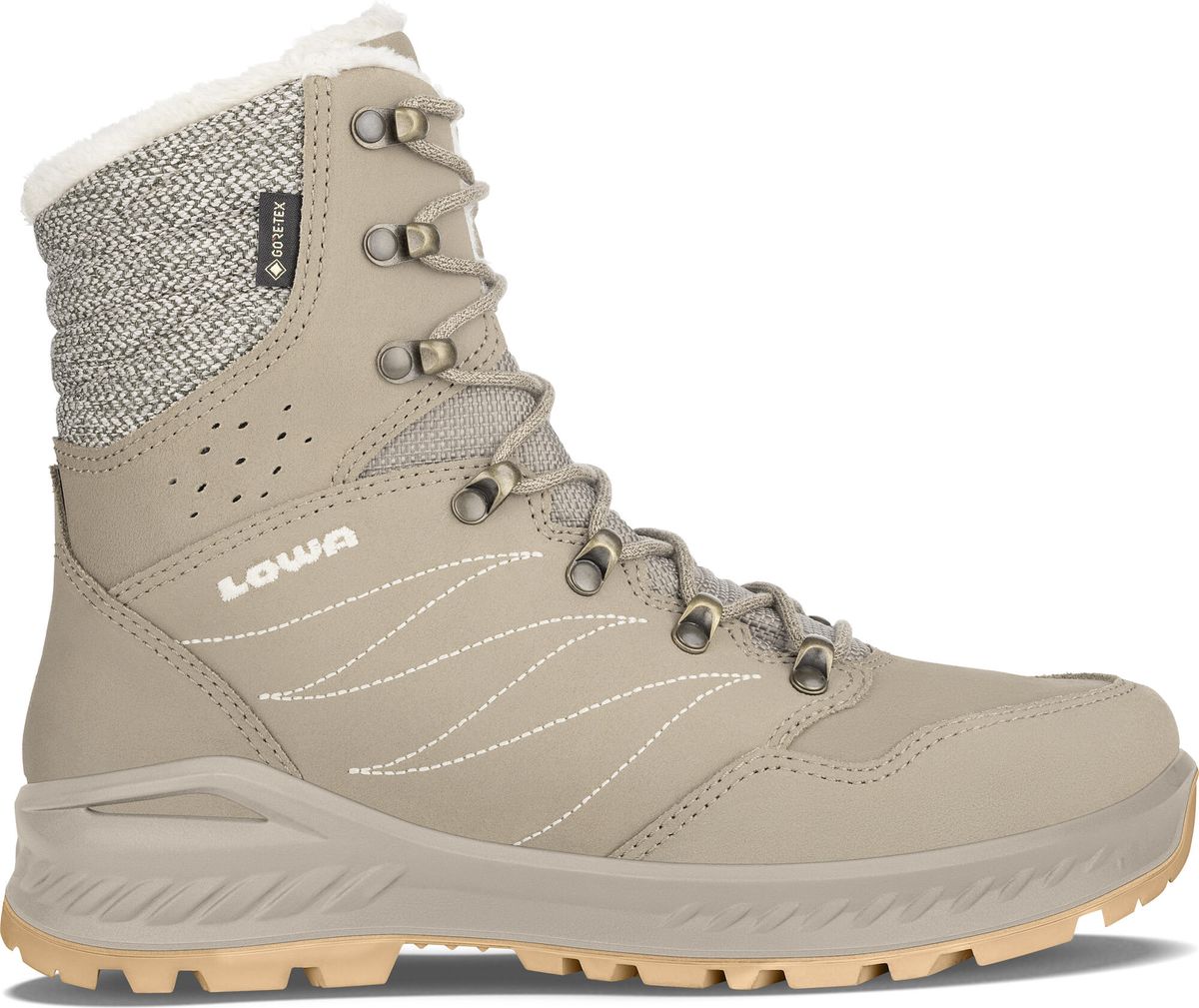
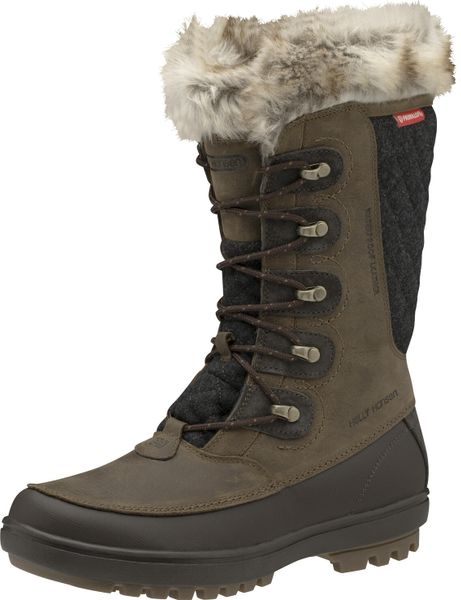
Quick to put onWomenCalf-high winter boot with zip and warm lining
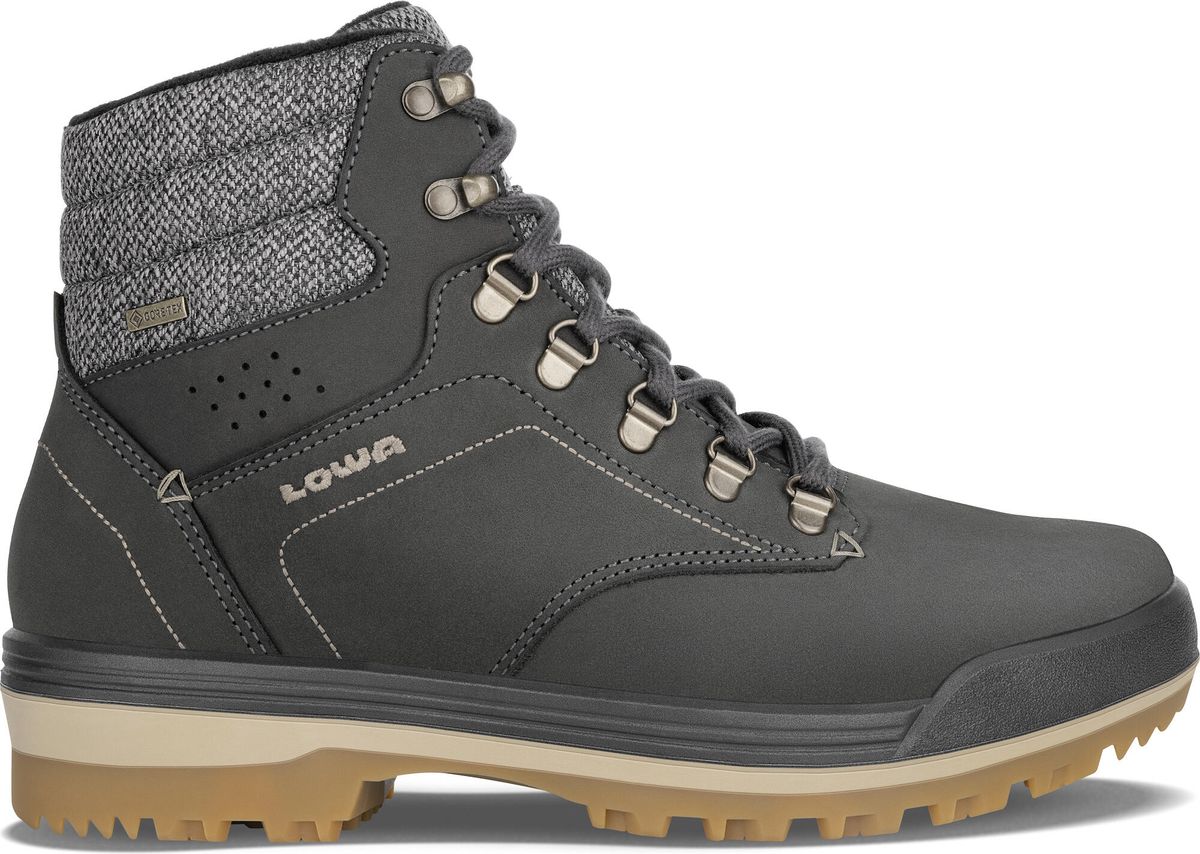
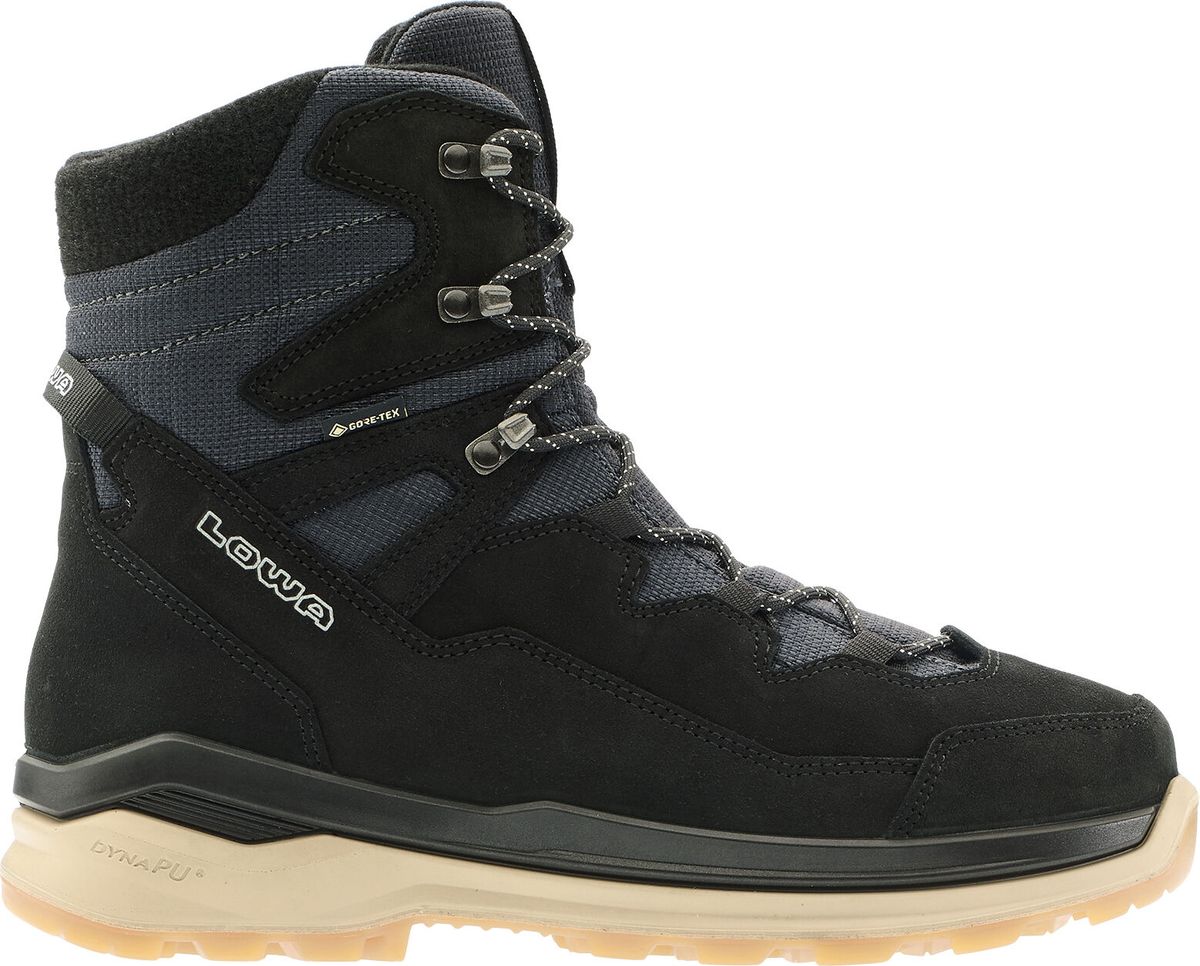
City bootWomenLace-up boot with GORE-TEX and warm lining for everyday use
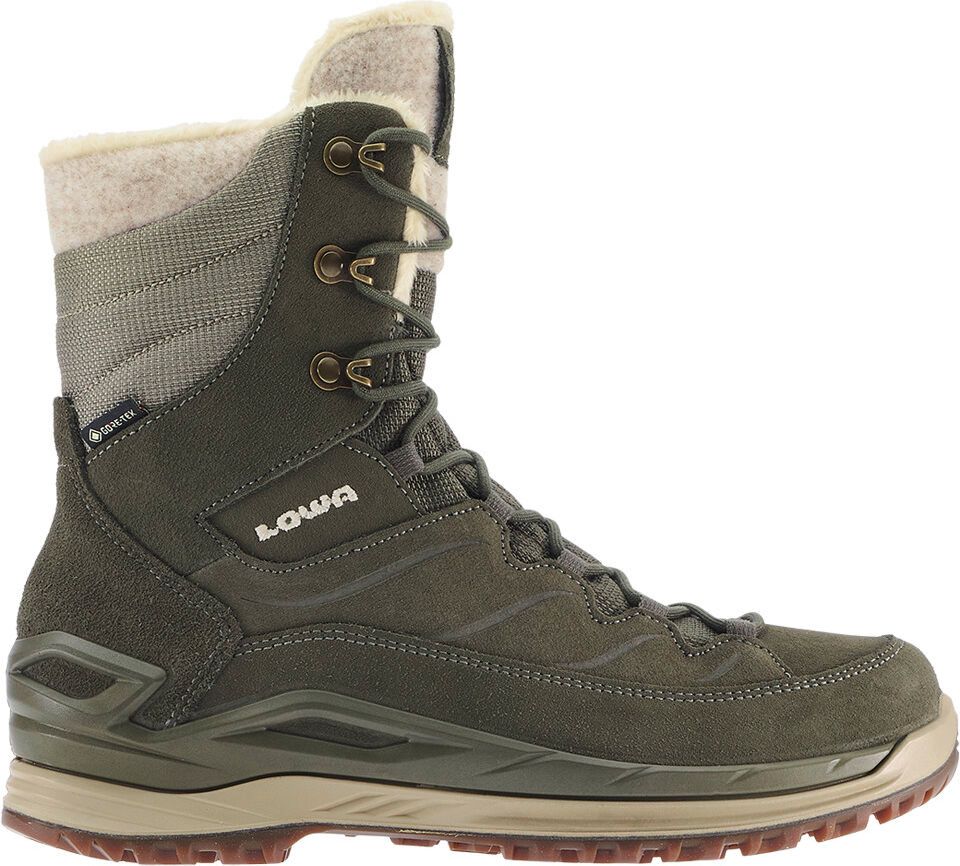
Wool liningWomenSuede boot with wool content in the GORE-TEX lining
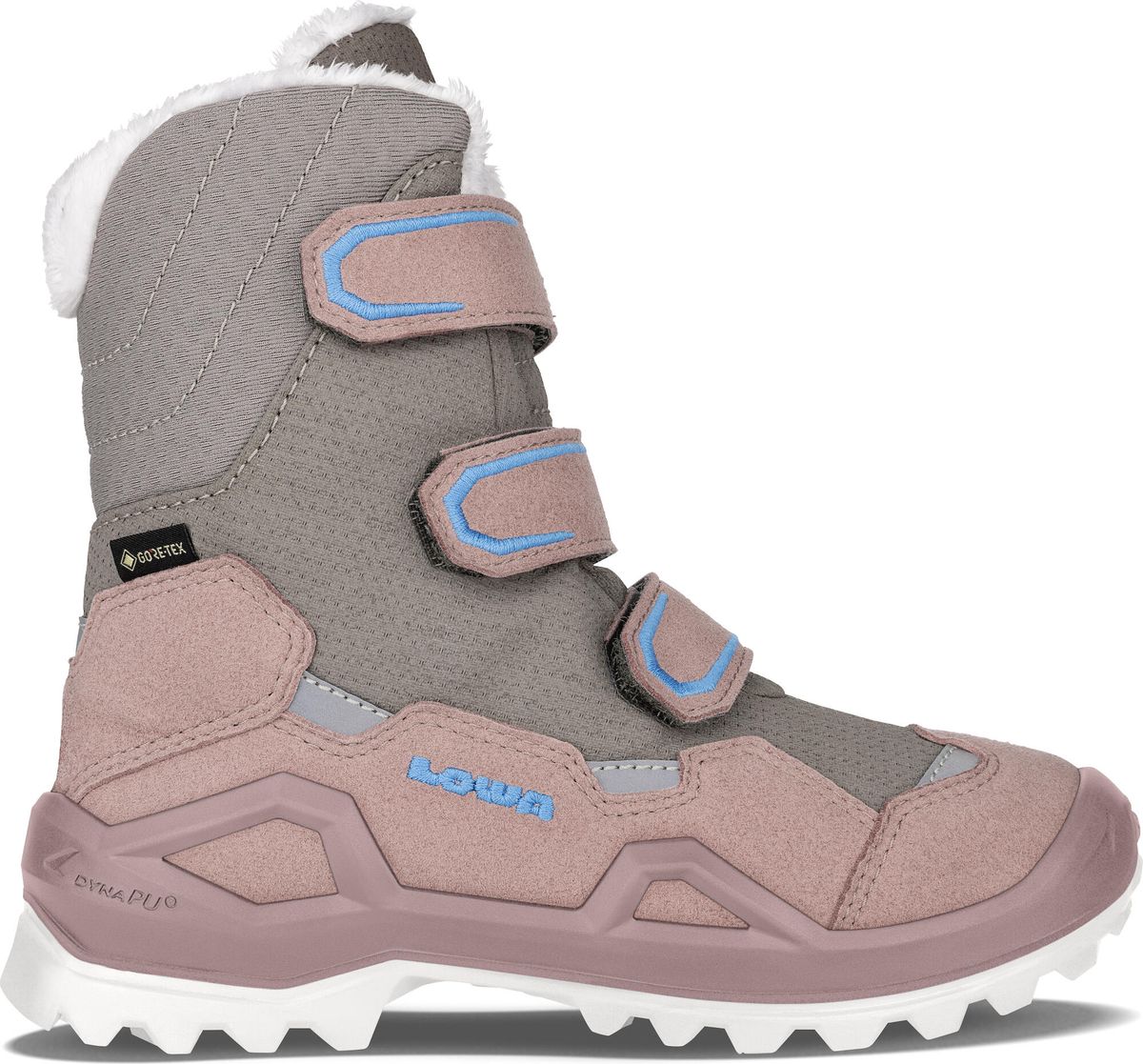
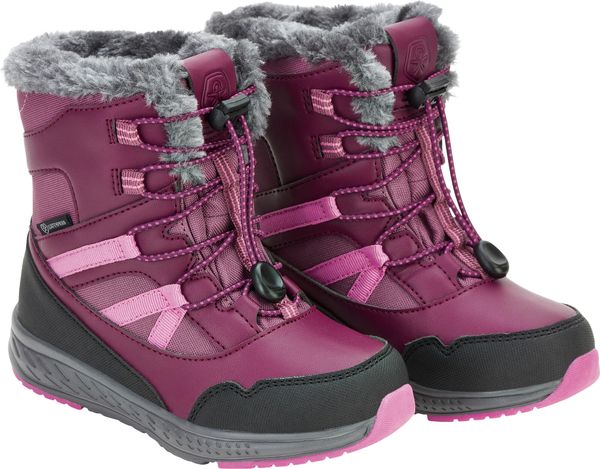
For childrenChildrenChildren’s winter boot with Velcro and GORE-TEX warm lining
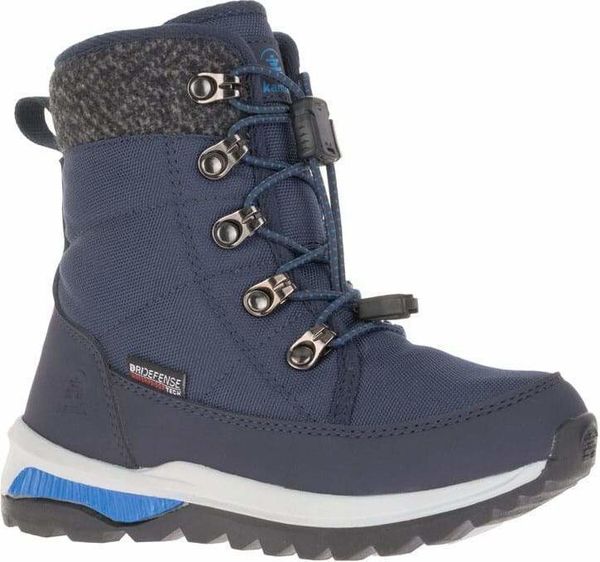
For childrenChildrenSporty children's winter boot with hook-and-loop fastening
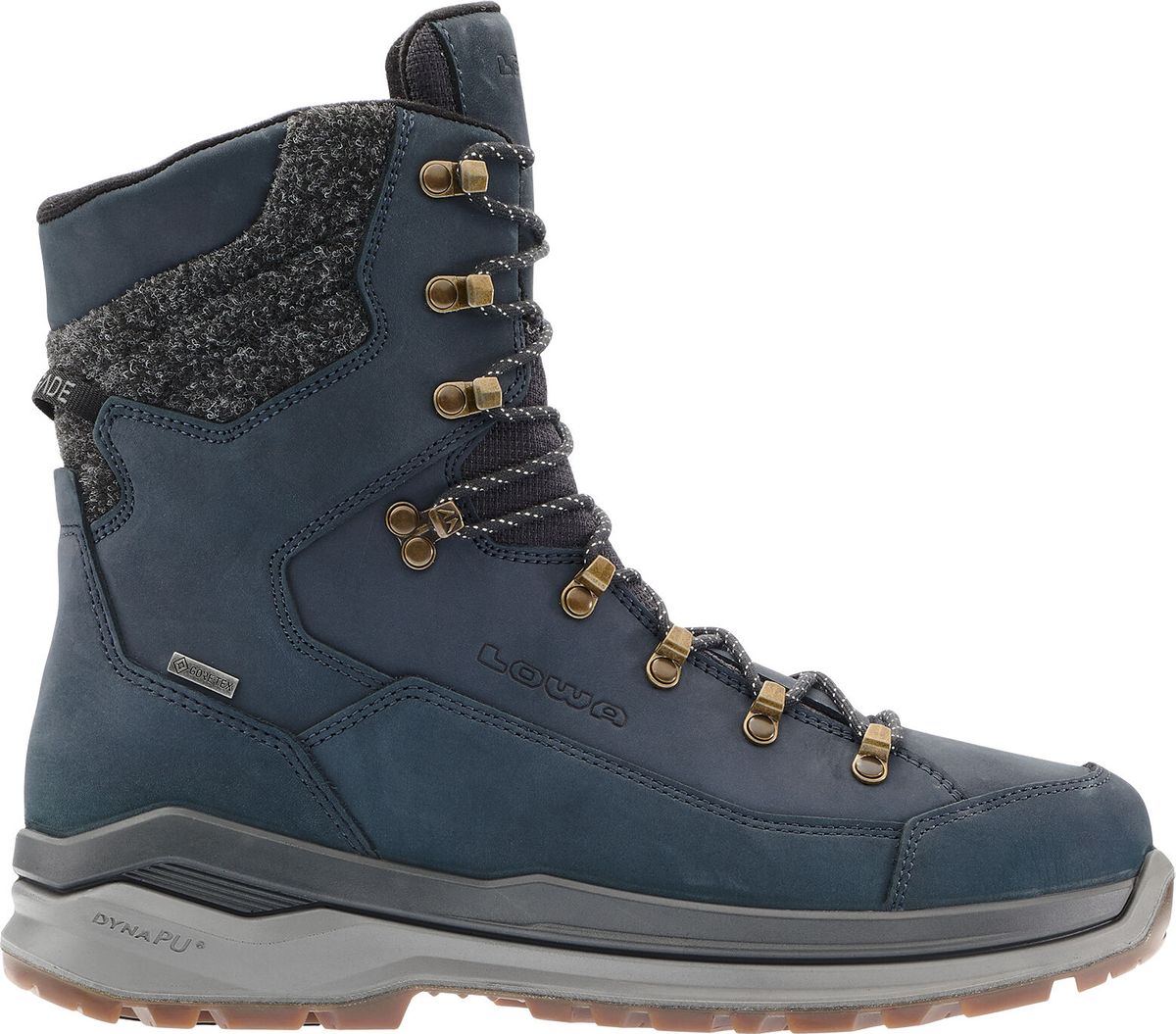
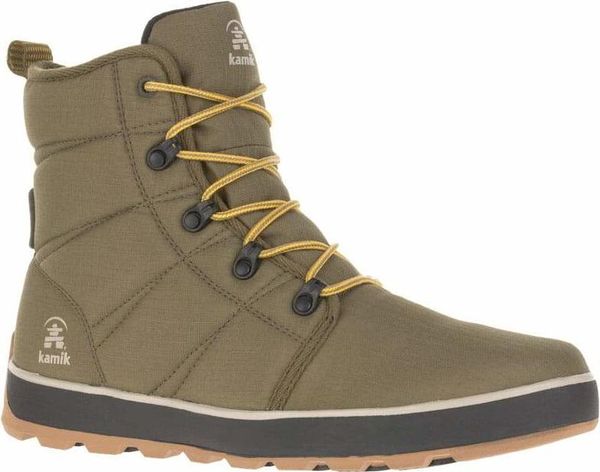
Winter hikingMenWinter boot with 200 g insulation and Omni-Heat™
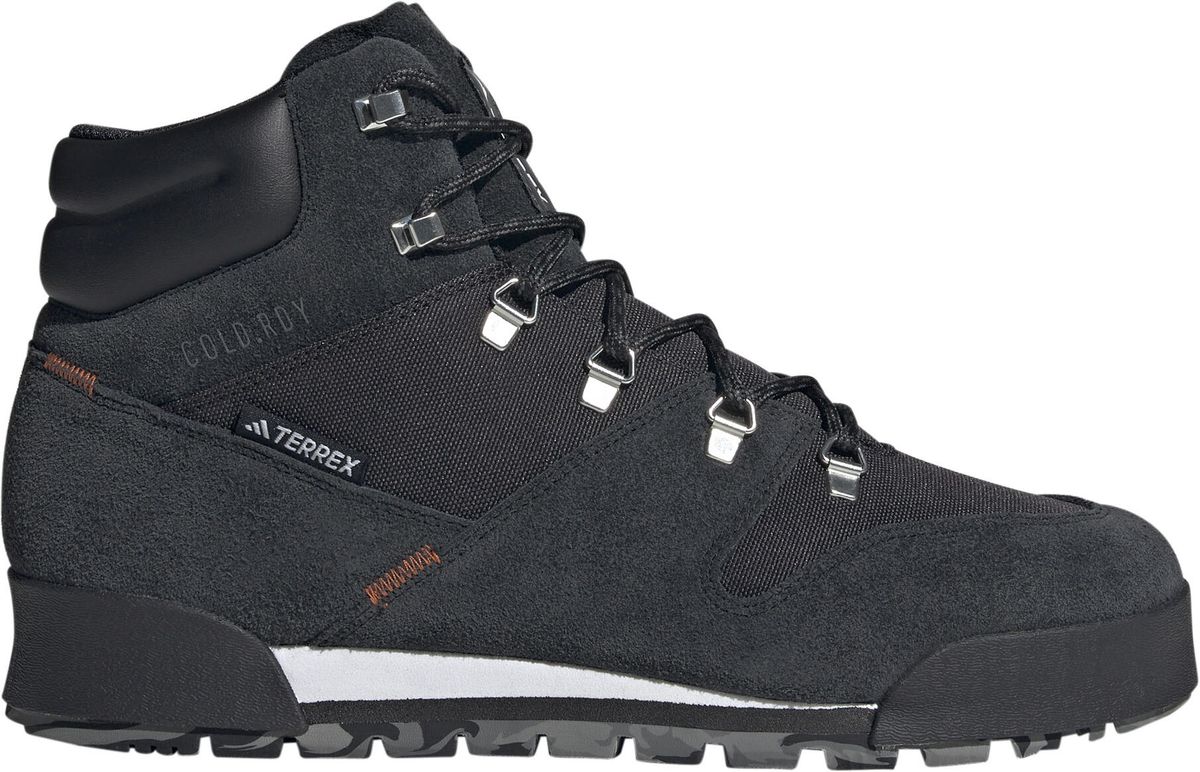
For iceMenWinter shoe with Vibram Arctic Grip for icy paths
Quick to put onChildrenTall children's boot with hook-and-loop fastening and GORE-TEX Warm lining
For iceMenLight winter hiking shoe with PrimaLoft® insulation
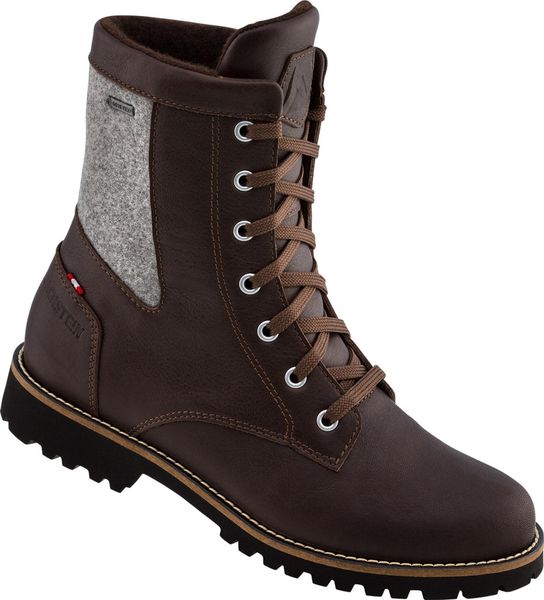
City bootMenNubuck boot with GORE-TEX Warm lining in a Derby style
For iceWomenSuede boot with Vibram Arctic Grip for ice
Wool liningMenSuede winter shoe with GORE-TEX Partelana lining
Sale
For women, men and children, while sizes last.


Prices from the shop, checked when this page loaded. The price shown in the shop applies.
Good to know
It’s what lies between your foot and the outside world: a warm lining or insulation. A lining made from fleece, wool or sheepskin keeps you pleasantly warm in freezing temperatures. Insulation is the next step — it has a name such as PrimaLoft or a weight such as “200 g” and is designed for prolonged cold. The difference matters most when you’re standing still: when you walk, your foot generates heat, but not while waiting at a bus stop. Of the boots here, 39 specify insulation; the rest specify a warm lining.
Try them on with the socks you’ll actually wear in winter. If you’re between sizes, choose the larger one: thicker socks need room, and the air inside the boot helps keep you warm. A boot that’s too tight gets cold more quickly, even if the lining is good.
About a thumb’s width in front of the longest toe. The easiest way to check is with the insole: take it out, have your child stand on it barefoot and check the space at the front.
Water-repellent means drops bead off the surface until the fabric eventually becomes saturated. Waterproof means a membrane or rubber shell keeps water out and the seams are sealed. For mud, slush and road salt in everyday use, waterproof is the more reassuring choice. If you’re mainly out in dry cold weather, you can manage without it — and often get a lighter boot as a result.
They are an indication from the manufacturer, not a measurement according to a common standard. Every brand tests differently, with different socks, different levels of movement and different wearing times. Two boots with the same figure can feel very different. That’s why such a detail appears here only where the manufacturer states it themselves, and always word for word — most boots don’t state one.
Hardly any manufacturer explicitly promises this. A deep tread helps in snow; on bare ice, the rubber compound makes the difference — and very few product descriptions say anything about it. That’s why “Grip on ice” appears here only for boots where the manufacturer genuinely mentions it. If you often walk on icy paths, you’re better off with removable ice grips than relying on the sole.
Remove the insole, stuff the boots with newspaper and leave them to dry at room temperature. Don’t put them on a radiator; leather becomes stiff there and can crack.
Yes, you have a 30-day right of return. You can find out how under [Returns](https://sportfits.de/ruecksendungen).
Product images: manufacturer via sportfits.de. Header image AI-generated.